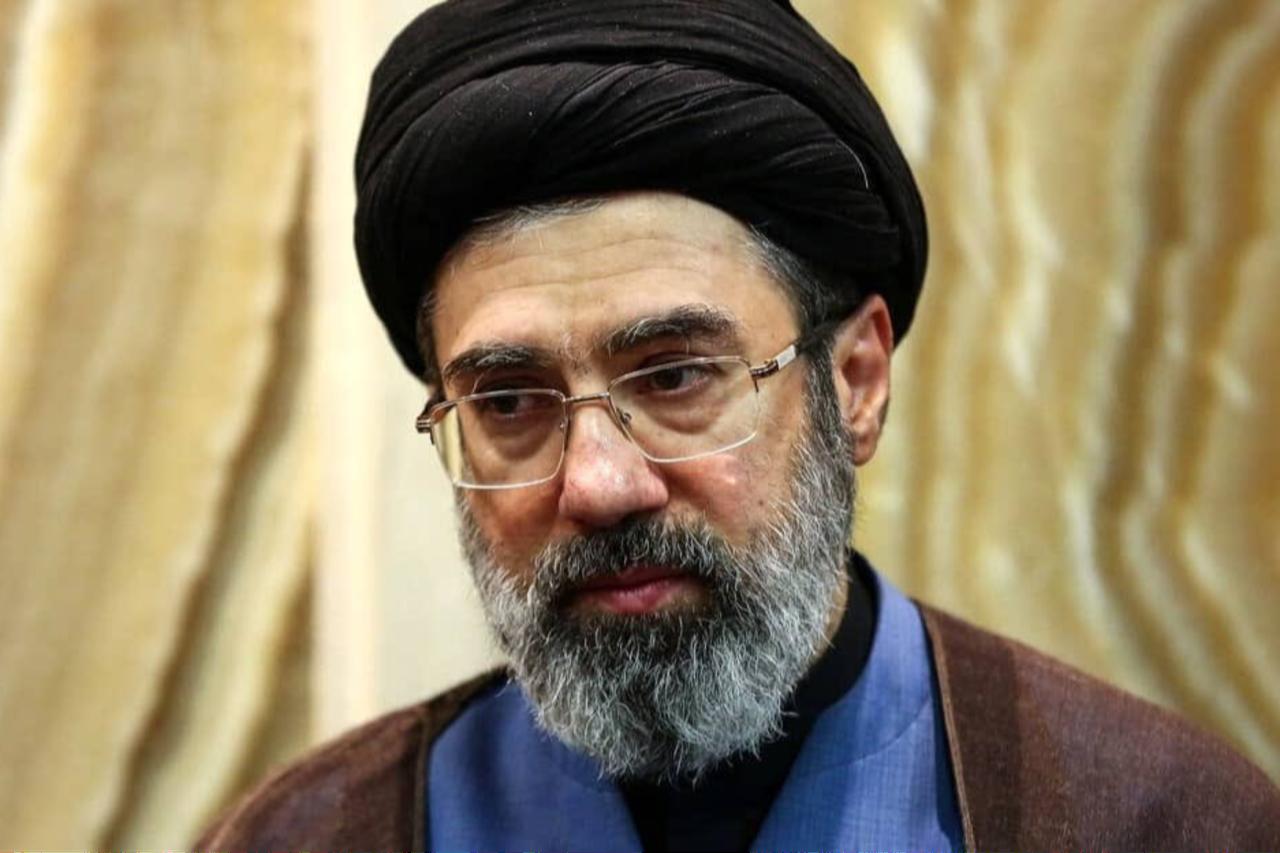
The polished floors of the Iranian Consulate in Mumbai are a world away from the smoke-clogged horizons of the Persian Gulf, but the tension in the room is just as thick. Saeid Reza Mosayeb Motlagh, the Iranian Consul General, speaks with a measured precision that masks the frantic reality of a region on the brink. While the world watches oil tickers and flight cancellation boards, a deeper, more dangerous game is being played. Iran is officially calling for "dialogue-based solutions," but the subtext is clear. Tehran is no longer just asking for a seat at the table; it is demanding a complete overhaul of the regional security architecture.
The current conflict, which flared into open warfare on February 28, 2026, has seen direct exchanges between Iran, Israel, and the United States. In the weeks since, the rhetoric of diplomacy has become a shield for a desperate strategic pivot. Motlagh’s recent statements are not merely boilerplate diplomatic appeals. They represent a calculated effort to shift the burden of escalation onto Washington and Tel Aviv while positioning Iran as the victim of "unilateral actions" that lack legal justification.
The Mirage of De-escalation
For decades, the phrase "dialogue and diplomacy" has been the elevator music of Middle Eastern geopolitics. It plays in the background while the real work of proxy wars and covert sabotage continues unabated. However, the 2026 crisis is different. The "12-day war" of June 2025 and the subsequent collapse of the JCPOA have removed the safety buffers. When Motlagh speaks of being "confronted with a nation that stands resolutely in opposition," he isn't just talking about military hardware. He is talking about a fundamental shift in the Iranian psyche.
Tehran’s insistence that it acted "solely in self-defence" after its nuclear sites and power plants were struck is a narrative designed for the Global South, particularly India. By framing the conflict through the lens of the UN Charter and international law, Iran is attempting to corner its adversaries in the court of global opinion. It is a classic David vs. Goliath maneuver, reimagined for an era of hypersonic missiles and cyber-warfare.
The reality is that "dialogue" is currently a dead end. The United States, under a returning Trump administration, has moved past the era of nuanced negotiation. The 2026 National Defense Strategy explicitly ranks China deterrence second only to homeland defense, but it treats the "Iran War" as a necessary operational cleanup. Washington is no longer interested in a grand bargain; it is interested in a controlled collapse of Iranian influence.
The Indian Connection and the Energy Trap
Mumbai is the logical stage for this diplomatic offensive. India has nearly ten million citizens working in the Gulf and an economy that breathes through the Strait of Hormuz. When Iran hints at closing that narrow waterway, it isn't just threatening the West. It is holding a knife to the throat of the Indian economy.
Prime Minister Narendra Modi’s government has maintained a "strategic silence" that many analysts find increasingly untenable. On one hand, India has provided humanitarian assistance and even allowed Iranian vessels, like the IRIS Lavan, to dock in Kochi. On the other, the "unseemly embrace" of Israel has left Tehran feeling sidelined by its traditional "civilizational neighbor."
The economic fallout is already tangible. Crude oil prices are not just fluctuating; they are being rewritten by the hour. Iran is one of the world's primary producers, and as Motlagh noted, sanctioning it during an active war has an "impact on the global market" that no amount of strategic reserves can fully mitigate. The world is facing a supply chain fracture that makes the 2021 shipping crisis look like a minor logistics hiccup.
A New Regional Architecture or a Final Stand
Iran’s proposal for a Muslim West Asian Dialogue Association (MWADA) is perhaps the most overlooked element of its current strategy. It is an attempt to cut the United States out of the regional loop entirely. By inviting Bahrain, Saudi Arabia, the UAE, and others to a "non-aggression pact," Tehran is trying to exploit the growing fatigue within the Gulf monarchies.
These states occupy an "uneasy middle ground." They depend on American intelligence and naval power, but they are the ones who will burn if a full-scale regional war erupts. Iran is betting that the fear of total destruction will eventually outweigh the benefits of the American security umbrella.
- MWADA's Core Pillars:
- Sovereignty and non-intervention.
- Collective regional monitoring to replace external "interference."
- Economic integration through intra-regional banking.
- A Middle East free of nuclear weapons (a direct jab at Israel's unacknowledged arsenal).
This isn't just a peace plan. It’s an exit ramp for a region that has been the playground of superpowers for a century. But it is a plan built on the ruins of trust.
The Brutal Truth of the 48-Hour Ultimatum
The diplomacy being touted in Mumbai is currently being outpaced by the reality of the 48-hour ultimatum issued by Washington. The threat to "obliterate" Iranian power plants if the Strait of Hormuz is not fully reopened has pushed the world into a nuclear-adjacent standoff.
Iran’s response has been to target British-U.S. bases in the Indian Ocean, including the Diego Garcia facility. This expansion of the theater of war suggests that Tehran is willing to burn the house down to prove it owns the matches. The "dialogue" Motlagh calls for is essentially a demand for a total cessation of hostilities by the U.S. and Israel as a "prerequisite." It is a non-starter in the current political climate of Washington.
We are seeing the end of the post-WWII diplomatic order in West Asia. The old rules—proportionality, proxy limits, and "red lines"—have been shredded. What remains is a raw struggle for survival that masks itself in the language of the UN Charter.
The next few weeks will determine if the "dialogue" being sought in Mumbai is a genuine path to peace or merely the final diplomatic formality before the lights go out across the Persian Gulf. India, once a passive observer, is now caught in the crossfire of its own strategic partnerships. The silence from New Delhi cannot last forever.
Would you like me to analyze the specific economic impact of the Strait of Hormuz closure on Indian energy prices for the second quarter of 2026?
Note: The events described regarding the 2025 "12-day war" and the March 2026 escalations are based on the provided search data and current situational reports.