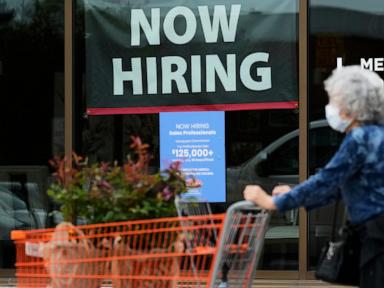
Walmart posted a U.S. comparable sales growth rate of just 2.6 percent in its second quarter, marking its slowest pace in more than six years and triggering an immediate double-digit slide in its stock price. While mainstream financial coverage points broadly to an anxious consumer base "tightening wallets", the headline numbers mask a complex mix of regulatory policy shifts, psychological pricing thresholds, and structural shifts in high-income shopping habits that corporate earnings reports rarely capture on the surface.
The Pharmacy Mirage
Corporate excuses during earnings season often deserve immediate skepticism. Yet, when Walmart executives pointed an accusing finger at federal prescription drug pricing caps for shaving roughly 80 basis points off domestic sales growth, the underlying mechanics merit a hard look.
Federal interventions mandating lower prices on high-cost medications directly compressed top-line retail pharmacy revenue. Lower register totals on vital prescriptions do not automatically signal that shoppers are abandoning aisles; rather, they reflect a deflationary shock originating entirely from regulatory pricing structures.
Strip away the health and wellness sector, and domestic comparable sales sit closer to 3.4 percent. That figure still represents a cooling trend compared to previous quarters, but it separates an artificial deflationary drag from true shifts in consumer purchasing behavior. Analysts who treated the entire miss as an unmitigated consumer strike missed the regulatory machinery humming quietly in the background.
The Psychological Fuel Barrier
Beneath pharmacy adjustments lies a behavioral tipping point that logistics networks and macroeconomic models routinely underestimate: the four-dollar gallon of gasoline.
Chief Financial Officer John David Rainey noted a distinct shift in month-to-month momentum as fuel prices pushed past the psychological threshold of four dollars. Economists prefer smooth trend lines and annualized averages, but human beings experience inflation in jagged, visceral moments. When filling a tank requires a heavy cash outlay, consumer psychology shifts into immediate defense mode.
Traffic growth at stores decelerated to 1.5 percent, down sharply from double that pace earlier in the year. This drop illustrates how quickly discretionary spending halts when non-negotiable transit costs spike.
Families do not stop buying milk or bread, but they recalculate every peripheral purchase. A household spending an extra forty dollars a week on fuel quietly trims the basket, abandoning impulse buys and scaling back on branded household goods.
The High-Income Migration Trap
A counter-intuitive dynamic complicates the narrative of a retreating shopper. For the past several quarters, Walmart has aggressively captured market share from households earning over one hundred thousand dollars annually. Affluent consumers, squeezed by stubborn housing costs and broader financial uncertainties, began trading down to mass-market discount aisles to stretch their budgets.
This influx of high-income shoppers initially insulated the retailer against broader macroeconomic softening. However, it created a structural illusion.
As affluent shoppers adapted, their initial wave of bargain-seeking behavior plateaued. Once a household transitions its pantry stocking to a discount supercenter, the initial quarter-over-quarter growth spike normalizes.
The retailer is no longer winning a new convert every time a high-earning cart rolls through the sliding doors; it is simply retaining a more cost-conscious clientele. When that transition cools, the underlying velocity of the store depends entirely on the financial health of middle- and lower-income base customers—the very demographic absorbing the brunt of elevated fuel and service costs.
The Tariff Rebate Paradox
Management teams have increasingly leaned on federal tariff refunds—the capital returned following legal challenges to previous import taxes—as a tactical cushion. Executives have openly signaled plans to channel billions of dollars from these windfalls directly into price rollbacks.
Price investment works as a powerful traffic driver, but it introduces a temporary distortion into retail metrics. Deploying capital to artificially suppress prices protects market share against warehouse clubs and traditional grocery competitors, yet it compresses operating margins in the short term.
Investors cheering the defensive posture must simultaneously reckon with the reality that retail giants are effectively deploying government-refund band-aids to stimulate demand in an environment where organic wage growth has slowed and household debt delinquencies continue their quiet ascent.
The retail bellwether is not experiencing a sudden operational collapse. Instead, it is acting as an ultra-sensitive barometer for a stratified economy where a consumer base is running out of arbitrage opportunities, forced to make cold calculations at the checkout lane as the margin for error disappears entirely