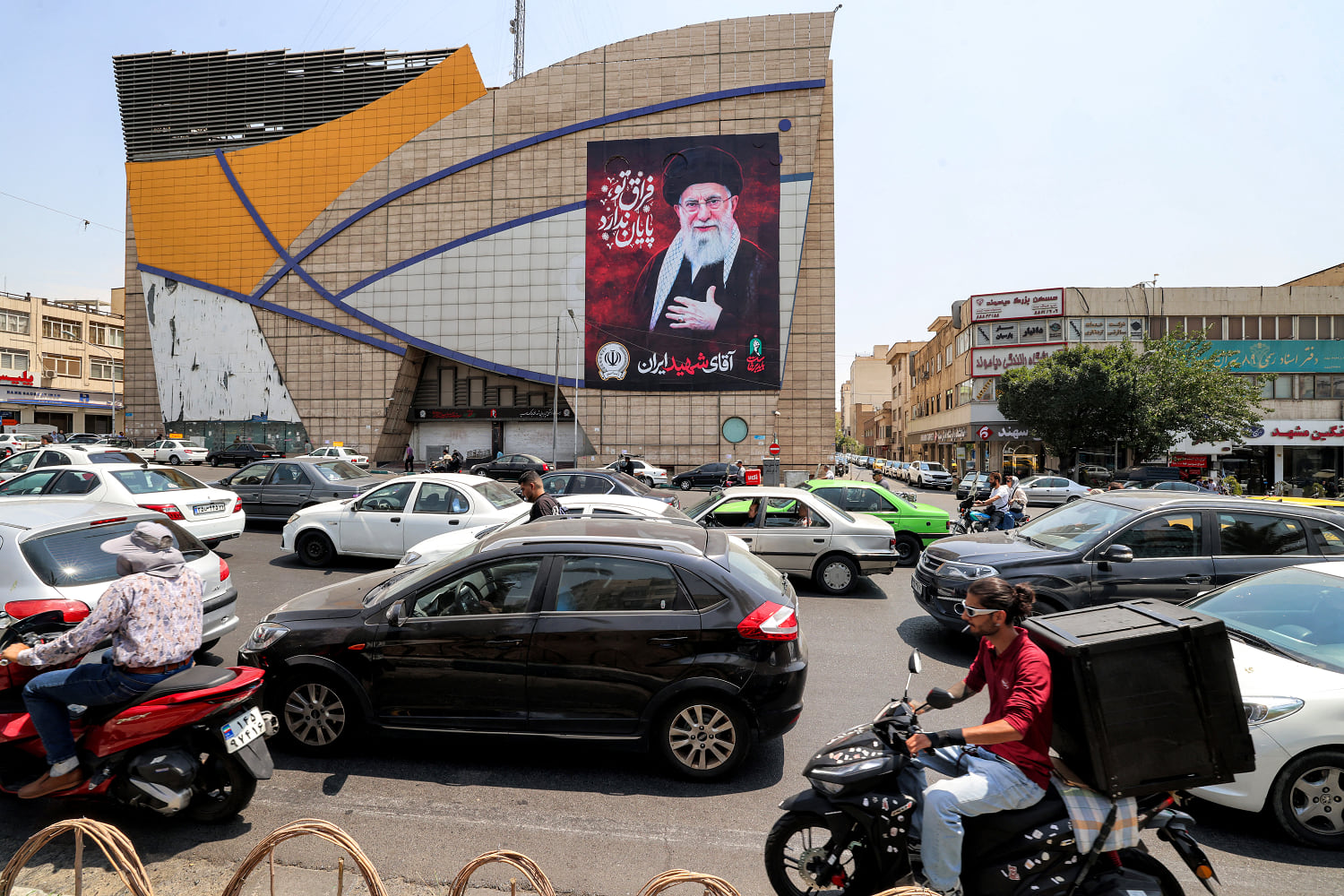
Tehran has officially tied the reopening of the Strait of Hormuz to an uncompromising list of six preconditions, insisting that a separate technical agreement with Oman over navigation coordinates will not translate to an unblocking of the vital global energy corridor. While U.S. and Omani officials point to progress on temporary maritime lanes, the Supreme National Security Council in Iran maintains that the waterway will stay effectively closed until Washington executes a total correction of regional policy, including financial compensation and the withdrawal of military forces.
This diplomatic friction reveals a fundamental miscalculation by Western capitals regarding how Tehran defines leverage. For months, foreign ministries anticipated that bilateral tracks through Muscat would yield a straightforward administrative compromise over maritime traffic. Instead, Iranian leadership has weaponized the architecture of the talks, separating a localized traffic arrangement from sweeping geopolitical demands.
The Anatomy of the Omani Track
Oman has long functioned as the indispensable diplomatic switchboard of the Persian Gulf. By hosting indirect channels between Washington and Tehran, Muscat sought to fashion a functional workaround to the maritime chokehold that began when the current conflict broke out. Technical teams managed to align on specific geographic coordinates for inbound and outbound shipping lanes.
Yet, treating these coordinates as a precursor to full commercial normalization ignores the internal dynamics driving Iranian statecraft. Mohammad-Bagher Zolghadr, secretary of Iran's Supreme National Security Council, made it explicitly clear that local navigation management is distinct from sovereign security policy.
- The Geographic Split: Emerging frameworks discussed in Muscat outline separate inbound and outbound transit corridors.
- The Administrative Fee Dispute: Iran insists on collecting environmental and security service tolls from passing commercial tankers, a condition flatly rejected by the White House.
- The Sovereignty Claim: Tehran views the management of the passage as an inherent right of littoral states, effectively seeking to sideline external naval oversight.
Even if commercial carriers eventually utilize these temporary lanes under Omani mediation, the structural vulnerability of the Persian Gulf remains acute. Insurance underwriters and global shipping conglomerates look past provisional technical pacts when evaluating risk profiles. Without a permanent legal settlement, transit insurance rates will stay prohibitively high.
The Six Pillars of Tehran's Counter-Strategy
The demands articulated by Iran's security apparatus go far beyond the immediate parameters of maritime commerce. By packaging local navigation rights with regional security architecture, Tehran has raised the ceiling for any sustainable settlement.
The list presented to international mediators spans six distinct requirements for what Iranian state media defines as behavioral correction from Washington:
- Ceasing Regional Operations: An absolute end to military actions against Iranian allies across Lebanon, Palestine, Yemen, and Iraq.
- Force Reductions: The complete withdrawal of U.S. naval and air assets from the immediate vicinity of Iran.
- Financial Reparations: Full monetary compensation for damages sustained during historical and ongoing conflicts.
- Sanctions Relief: The total removal of economic sanctions targeting Iranian commerce and financial networks.
- Asset Unfreezing: The unconditional release of billions in sovereign Iranian assets held in foreign jurisdictions.
- Rhetorical Ceasefire: A permanent halt to political threats and official statements deemed insulting to Iranian national and religious values.
These conditions reflect a hardened posture from the hardline factions within the state apparatus. While moderate elements, including President Masoud Pezeshkian, have argued for pragmatic diplomatic engagement to ease domestic economic pressures, the security council retains ultimate veto power over strategic choke points.
The Global Energy Fallout
Approximately one-fifth of the world's petroleum and natural gas supplies historically traversed the Strait of Hormuz before hostilities commenced. The ongoing paralysis of this artery forces energy markets into a permanent state of guarded anxiety. Spare production capacity elsewhere in OPEC offers only a partial cushion against the structural bottleneck in the Gulf.
Tanker operators are forced to navigate a high-stakes operational environment where minor deviations from agreed Omani channels risk kinetic interception. The Iranian Revolutionary Guard Corps continues to monitor transit lanes with acute scrutiny, treating any vessel attempting unauthorized bypasses as a security violation.
The standoff demonstrates the limits of compartmentalized diplomacy. Western policymakers frequently attempt to isolate choke point negotiations from broader regional conflicts, hoping to secure commercial relief without granting geopolitical concessions. Tehran's current posture dismantles that approach entirely, binding the movement of every oil tanker directly to the future of regional security alignments. As long as these maximalist conditions remain non-negotiable on paper, the physical reopening of the waterway stays hostage to a wider struggle for regional dominance.


/getty-brown-bear-56afcf215f9b58b7d01d5195.jpg)