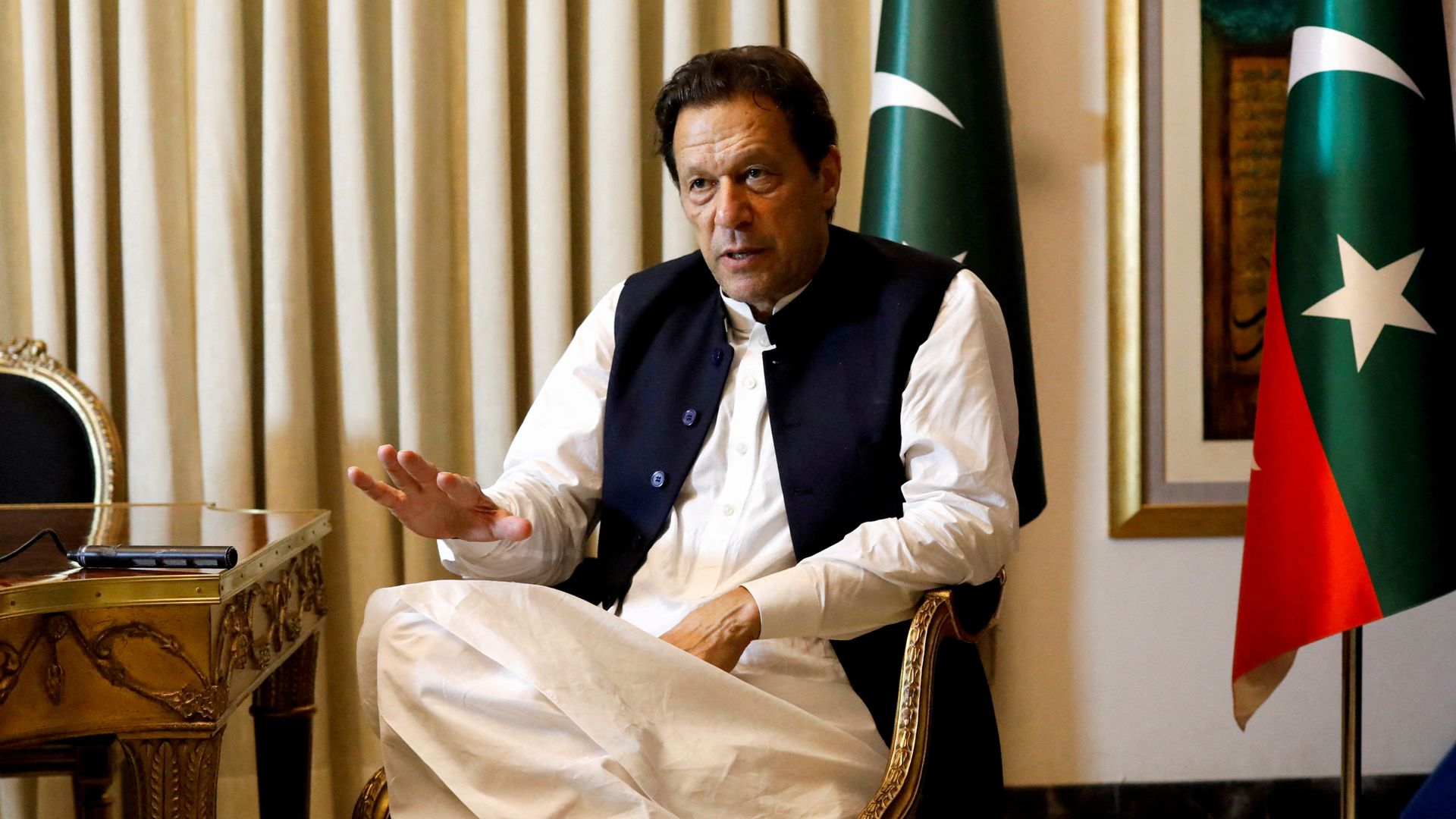
The Supreme Court of Pakistan recently ordered that former Prime Minister Imran Khan be transferred from Rawalpindi's Adiala Jail to a private facility in Islamabad following widespread public uproar over his deteriorating health. For three years, the cricket legend turned politician has remained locked behind bars under a heavy cloak of isolation. Prisoner number 804 represents more than just a legal headache for the state. He is the central figure in an ongoing existential struggle over power, institutional control, and the future of civilian governance in South Asia.
The judicial directive ordering Khan's hospital move comes after months of intense friction between his family, his Pakistan Tehreek-e-Insaf (PTI) party, and the military-backed apparatus running the country. Reports from legal teams and medical assessments point to alarming physical tolls, including significant vision loss in his right eye and persistent cardiovascular strain. Yet, looking merely at medical bulletins misses the broader geopolitical and domestic strategy at play. The state is not just managing a prisoner; it is trying to neutralize an entire political movement without sparking an uncontainable popular revolt.
The Anatomy of Isolation
Confinement is rarely just about physical walls. In Khan's case, solitary detention has served as a calculated tool to sever his connection with the outside world. For months, his sons, lawyers, and independent physicians faced severe restrictions or complete denials of access. This information vacuum acts as a pressure cooker. When medical reports leak out describing high blood pressure, severe anxiety, and untreated ailments, the public reaction is swift and volatile.
State authorities have long walked a tightrope. Keep a wildly popular former leader entirely hidden away, and you risk turning him into a martyr whose perceived mistreatment galvanizes millions. Permit him transparency and regular medical care, and you risk giving a platform to the very voice the state worked so hard to silence through a flurry of rushed convictions. The recent court-mandated hospital transfer is an admission, however reluctant, that the physical cost of his imprisonment was threatening to backfire completely on the establishment.
The Legal Labyrinth and Political Fallout
The string of legal cases facing Khan reads like an inventory of political engineering. From state gifts disputes to hastily arranged marriage challenges, the convictions mounted rapidly following his ouster in a 2022 no-confidence vote. International observers and human rights advocates have repeatedly pointed out the procedural flaws embedded in these trials. Courts have suspended or overturned some verdicts, but others remain stubbornly active, ensuring his continued detention.
Meanwhile, the PTI has been battered from every angle. Stripped of its iconic election symbol ahead of polls and subjected to aggressive crackdowns, the party has had to adapt by running candidates independently and shifting its battleground to the courts and international forums. Figures from global cricket communities and foreign legislative bodies have voiced deep concern over prison conditions, transforming a domestic judicial matter into a persistent diplomatic friction point for Islamabad.
Beyond the Hospital Room
Moving a 73-year-old high-security prisoner to a monitored hospital bed does not solve the underlying crisis. It merely shifts the theater of conflict from the prison cell to the hospital ward. Security forces maintain tight perimeters, and the battle over who gets to examine him, what medical data is made public, and how long he stays remains intensely politicized.
The state wanted an erasure. They wanted a political actor who mobilized youth and challenged military hegemony to fade quietly into institutional oblivion. Instead, every cough, every vision fluctuation, and every legal motion keeps him at the very center of the national conversation. As long as millions view his imprisonment as an assault on their own democratic franchise, the fate of Imran Khan remains inextricably linked to the stability of the entire nation. The hospital doors may have opened, but the political cage remains firmly locked