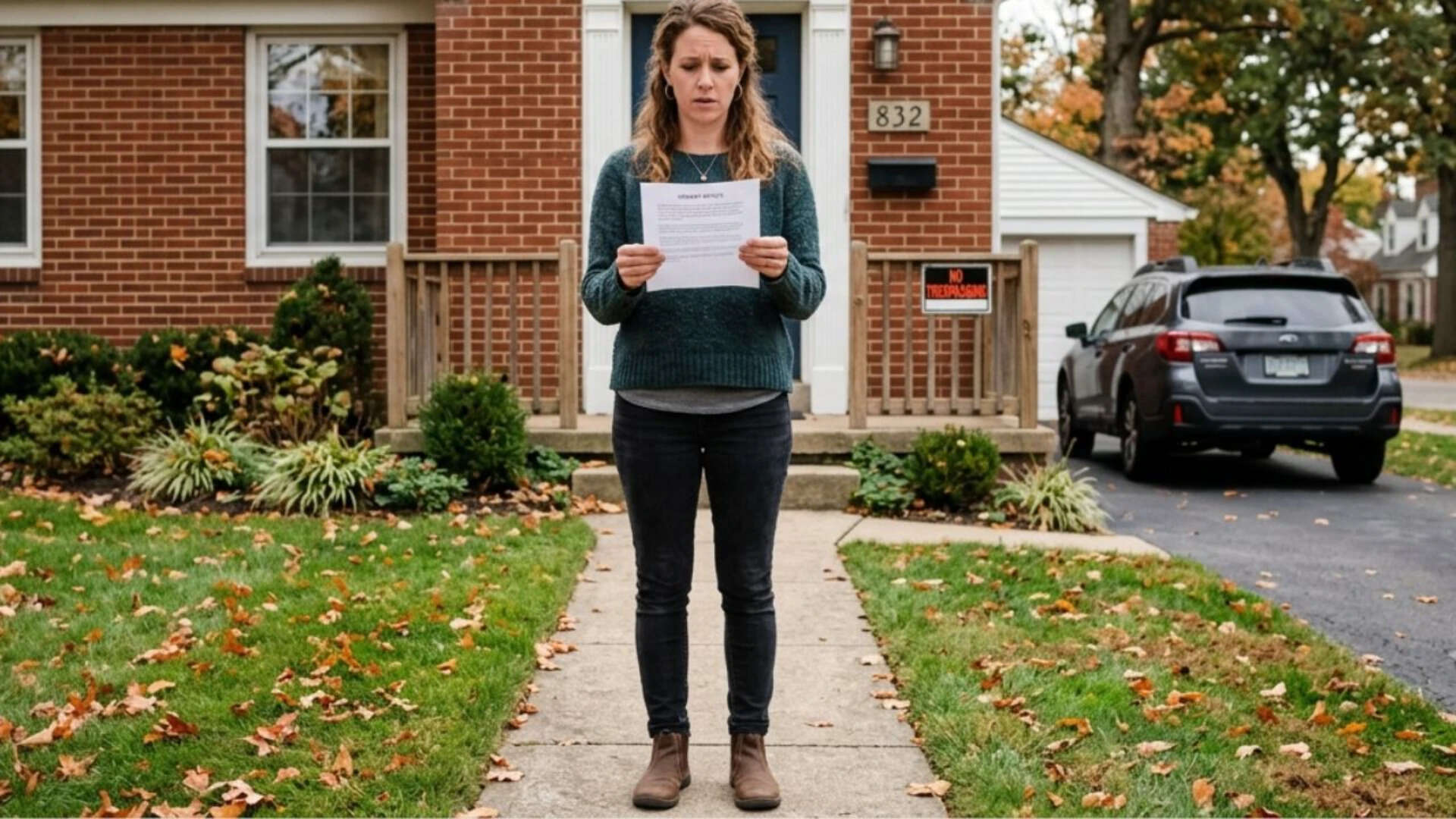
When a deceased relative passes down a family property, heirs often expect property taxes, maintenance costs, and probate fees. What they rarely anticipate is a bureaucratic ambush from the local water authority. Across the United States, municipal utility providers are hitting new property owners with astronomical, backlog bills totaling tens or hundreds of thousands of dollars. These massive charges stem from unread meters, broken infrastructure, or decades of silent automated estimates that suddenly come due upon a title transfer.
The mechanism behind these surprise debts is deceptively simple. Municipalities routinely rely on estimated billing when physical meters break or telemetry equipment fails. Instead of repairing the hardware, utility departments project usage based on historical averages or minimal baseline figures. The home appears to be running normally on paper. Meanwhile, an underground main leak, a running toilet, or a faulty digital register spins out of control unobserved. When the property changes hands or an estate attempts to clear title, the utility sends an inspector to perform a final reading. The physical meter reading reveals the massive discrepancy between estimated charges and actual consumption, and the current owner receives a lump-sum bill for years of uncollected revenue.
The Broken Mechanics of Utility Back-Billing
Municipal water networks operate on aging infrastructure, both underground and inside administrative offices. Many cities installed early generations of Automated Meter Reading (AMR) technology in the late 1990s and early 2000s. These devices use radio signals to transmit usage data to passing collection vehicles.
When the internal battery on an AMR transmitter dies, the unit stops sending data. The physical meter inside the pit or basement continues to register water flow, but the utility's billing software stops receiving updates. Rather than triggering a work order to replace the dead transmitter, automated billing systems frequently default to estimated readings.
[System Issue: Dead Meter Battery]
       │
       ▼
[Radio Transmission Fails]
       │
       ▼
[Software Triggers "Estimated Billing"] ──► (Years of baseline charges paid)
       │
       ▼
[Title Transfer / Final Inspection]
       │
       ▼
[Physical Meter Checked] ──► Massive Debt Discovered
This structural failure creates a ghost debt that accumulates without the property owner's knowledge. A standard home toilet leak can waste up to 200 gallons of water per day. Over a decade, an uncorrected leak combined with compounding municipal sewage surcharges can easily push a bill into six-figure territory.
Why Municipal Utilities Hold the Upper Hand
Unlike private commercial creditors, municipal water departments hold extraordinary legal enforcement powers. In most jurisdictions, unpaid utility bills are attached to the property itself rather than the individual who consumed the water.
- Municipal Liens: The utility can attach a lien directly to the real estate title, preventing any sale or refinancing until the debt is satisfied.
- Tax Sale Foreclosure: If the utility lien remains unpaid, the municipality can sell the property at a tax auction to recover the debt, stripping the owner of equity.
- Service Disconnection: Water authorities possess the legal right to shut off potable water access, quickly rendering a residential structure legally uninhabitable under local housing codes.
Because the debt attaches to the land, heirs who inherit a property also inherit the water debt accrued during the previous owner's lifetime. Even if the previous owner was an elderly relative living on a fixed income while a subterranean pipe leaked thousands of gallons into the soil, the current title holder bears strict financial liability.
The Legal and Financial Realities of Fighting Municipal Bills
Attempting to dispute an astronomical back-bill requires navigating administrative bureaucracy designed to protect city budgets. Utility charters usually contain clauses that place the absolute burden of water containment on the customer, regardless of whether the owner knew a leak existed.
Consider a hypothetical situation where an heir inherits a property in a city with standard municipal code regulations. The heir receives a $150,000 back-bill for water usage covering an eight-year period when an elderly parent lived alone in the home.
| Dispute Phase | Utility Position | Homeowner Defense Strategy | Potential Outcome |
|---|---|---|---|
| Administrative Appeal | Claims strict liability; water passed through the meter. | Audit past billing records for sudden jumps in "estimated" status. | Minor reduction in interest or late fees; core principal remains. |
| Statute of Limitations Defense | Argues limitations clock starts upon discovery of true reading. | Invoke local statutes limiting retroactive billing to 1 to 3 years. | Partial forgiveness of oldest debt segments if state law applies. |
| Inaccurate Meter Challenge | Assumes meter accuracy unless proven otherwise by lab test. | Demand independent bench testing of physical meter register. | Complete dismissal if the meter mechanism itself is proven defective. |
In this scenario, relying on common sense arguments about fairness rarely works. Success requires leveraging specific statutory limitations on retroactive billing. Many states cap the timeframe a utility can retroactively bill a residential customer for administrative errors, often limiting back-billing to 12 or 24 months. However, if the utility classifies the issue as a customer-side leak rather than a billing error, those statutory caps may not apply.
How Homeowners and Heirs Can Protect Themselves
Preventing a catastrophic utility bill requires active oversight of municipal accounts, especially when managing properties owned by aging relatives or vacant estate homes.
Inspect the Physical Meter Regularly
Never rely solely on the monthly paper or digital bill. Locate the physical meter box, lift the lid, and compare the manual odometer reading against the reading listed on the latest statement. If the statement says "Estimated" or "EST," or if the physical reading is drastically higher than the bill's register, contact the water department immediately in writing.
Audit Historical Billing Data During Probate
When managing an estate, request a complete transaction history from the water authority dating back several years. Look for long periods where consumption numbers remain perfectly flat month after month. Identical usage figures across summer and winter months almost always indicate that the utility is guessing rather than reading the device.
Force a Title Clearance Before Taking Ownership
Before accepting a deed transfer or closing probate on an inherited home, demand a formal municipal lien certificate or final utility clearance. This document forces the water authority to conduct a physical inspection and issue a binding payoff amount. Once the utility signs off on a clear title certificate, their legal ability to come back later with retroactive charges is severely limited.
Municipal utility billing systems are built on aging hardware and rigid legal protections that favor the city over the ratepayer. When these automated systems fail quietly for years, the resulting financial damage falls squarely on the person holding the deed. Protecting your property equity requires treating the water meter not as an afterthought, but as a direct financial liability that demands regular verification.