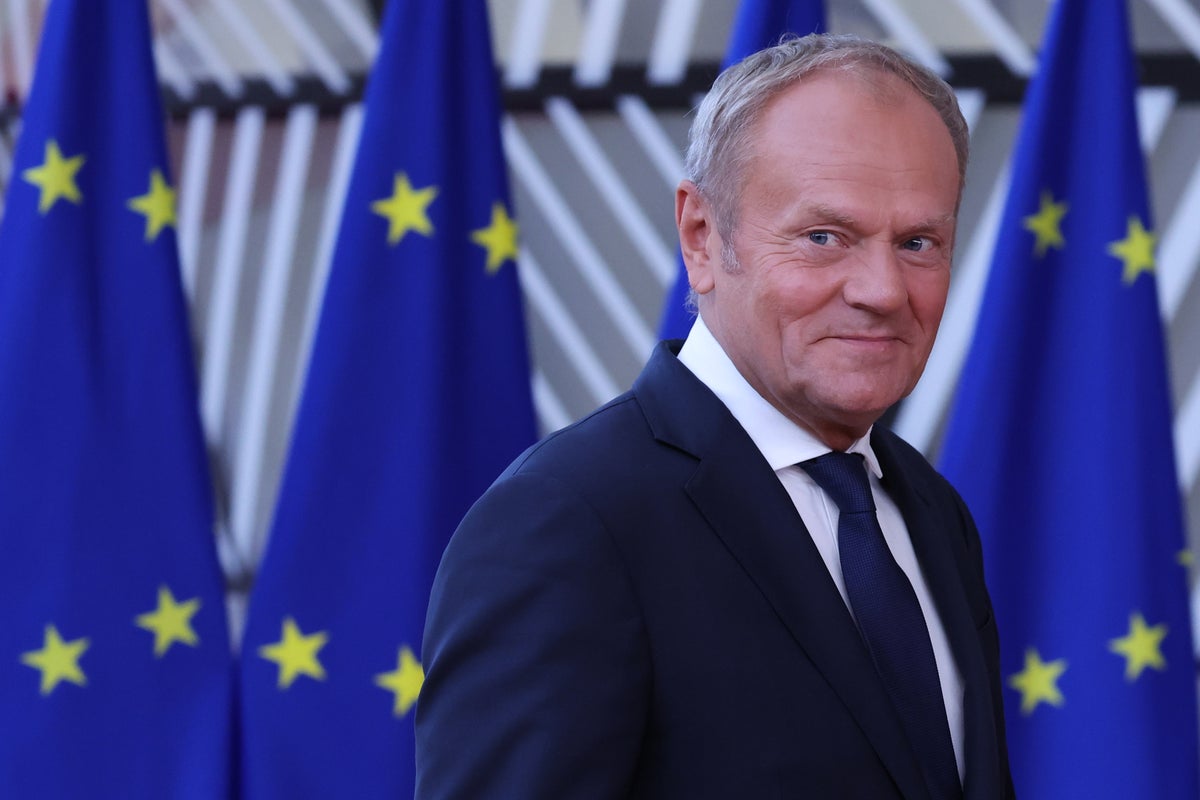
Polish counterintelligence officers moved quickly on August 7, detaining a suspect recruited by Russian secret services to assassinate a Ukrainian-American citizen living in Warsaw. Prime Minister Donald Tusk announced the operation, marking a chilling escalation in Moscow's shadow war. For the first time, a Kremlin-backed hit squad targeted an American citizen directly on the sovereign soil of a NATO ally.
This interception shifts the calculus of modern intelligence. It drags Washington deeper into the frontline of Europe's clandestine security crisis. For another look, see: this related article.
The Anatomy of a Cross-Border Hit
Intelligence operations do not materialize overnight. They rely on local proxies, encrypted digital handshakes, and reconnaissance layers designed to obscure the sponsor state. In this instance, Polish authorities caught the network before the final phase of execution.
The targeted individual, a U.S. citizen of Ukrainian descent, possessed a profile deemed intolerable by the Putin regime. While security officials have kept specific biographical details under seal to protect ongoing operations, the designation points toward a growing class of targets: dual-nationals, exiles, and logistics providers who bridge Western backing with Ukrainian defense capabilities. Similar coverage on this matter has been shared by The Washington Post.
Warsaw did not act alone. Intelligence sharing between Polish services and American counterparts formed the backbone of the disruption. When foreign operatives attempt to cross into allied territory to silence critics or supporters of Kyiv, the institutional friction between Western agencies can often dictate success or failure. Here, the machinery functioned. The suspect is behind bars, facing a three-month provisional detention order handed down by a Warsaw court.
From Cyber War to Kinetic Violence on NATO Soil
Europe has absorbed a wave of Russian clandestine aggression since the full-scale invasion of Ukraine. Open-source tracking and intelligence disclosures map roughly two hundred separate incidents of arson, infrastructure sabotage, and coordinated disruption across the continent.
Yet, sabotage against warehouses or rail lines differs fundamentally from targeted political murder.
By shifting toward state-sponsored assassinations within NATO borders, Moscow is stress-testing Article 5 commitments through a thousand cuts. Previous operations tracked across Europe illustrate a widening scope of wet work. In France, security services disrupted a plot targeting a prominent Russian exile and human rights defender. In Germany, intelligence assets neutralized plots aimed at defense manufacturers and military officials. In Spain, a defecting Russian helicopter pilot was executed in cold blood.
The attempt on an American citizen in Warsaw crosses a psychological threshold. Moscow has historically avoided direct kinetic action against U.S. nationals inside Western Europe due to the certainty of an overwhelming retaliatory response from Washington. Breaking that unwritten taboo suggests that deterrence mechanisms inside the Kremlin are eroding, or worse, that Russian leadership calculates the West lacks the appetite for a severe escalation.
The Proxy Dilemma and the Threat to Expats
Modern Russian intelligence frequently bypasses professional career officers for kinetic tasks abroad. Instead, they rely on criminal networks, local fringe elements, and internet-recruited proxies.
This model offers plausible deniability. If a proxy is captured, Moscow can distance itself from the operative, claiming rogue actor status or standard criminal activity.
For the thousands of Ukrainian-Americans, Russian dissidents, and anti-war activists living across Europe, the Warsaw arrest validates their worst anxieties. Exile is no longer a safe harbor. Intelligence services across the continent now face the immense challenge of providing executive-level protection to a rapidly expanding pool of individuals marked for elimination by a foreign power.
Security budgets in Warsaw, Berlin, and Paris are straining under the weight of continuous counterintelligence surveillance. Protecting critical infrastructure is difficult enough. Guarding every individual citizen who happens to be a thorn in the side of an authoritarian regime is an administrative and operational impossibility.
The Strategic Fallout for Washington
The White House and the State Department now face a direct diplomatic test. Public statements acknowledging awareness of the plot mask intense private discussions regarding the appropriate threshold for retaliation.
When a foreign adversary attempts to murder a U.S. citizen on allied territory, the response cannot remain confined to quiet diplomatic reprimands. Intelligence cooperation between Poland and the United States prevented a fatality this time, but the frequency of these attempts points to a permanent baseline threat.
The shadow war has breached the perimeter. Moscow has signaled its willingness to bring the conflict directly to American doorstep proxies in Europe. How Washington and NATO calibrate their response will determine whether this unprecedented strike remains an isolated failure for the Kremlin or becomes the opening salvo of a much bloodier campaign.