Six months after the initial volley of American and Israeli airstrikes lit up the skies over Tehran, the White House has chosen a curious method of measuring victory: posting digital banners and declaring that economic coercion will finish what shattered munitions stockpiles could not.
This is not the clean, swift campaign that was promised back in February when the commander-in-chief assured the American public that the operation would wrap up in a matter of weeks. Instead, the theater has calcified into an exhausting war of attrition defined by a paralyzed Strait of Hormuz, depleted military hardware reserves, and an administration frantically scrambling for an exit strategy that does not look like defeat.
To understand how Washington arrived at this juncture requires peeling back the official press releases from the Treasury and the Pentagon. The core miscalculation was foundational. Planners assumed that systemic economic pressure, branded with theatrical monikers like Operation Economic Outcast, would cause a centralized regime to buckle instantly. History suggests otherwise. Iran has spent decades perfecting the art of surviving international isolation, adapting through shadow banking, illicit oil transshipments, and decentralized proxy survival. Expecting a nation accustomed to severe sanctions to suddenly surrender its sovereign posture because of a new tier of secondary warnings reflects a deep institutional amnesia.
The Logistics of Exhaustion
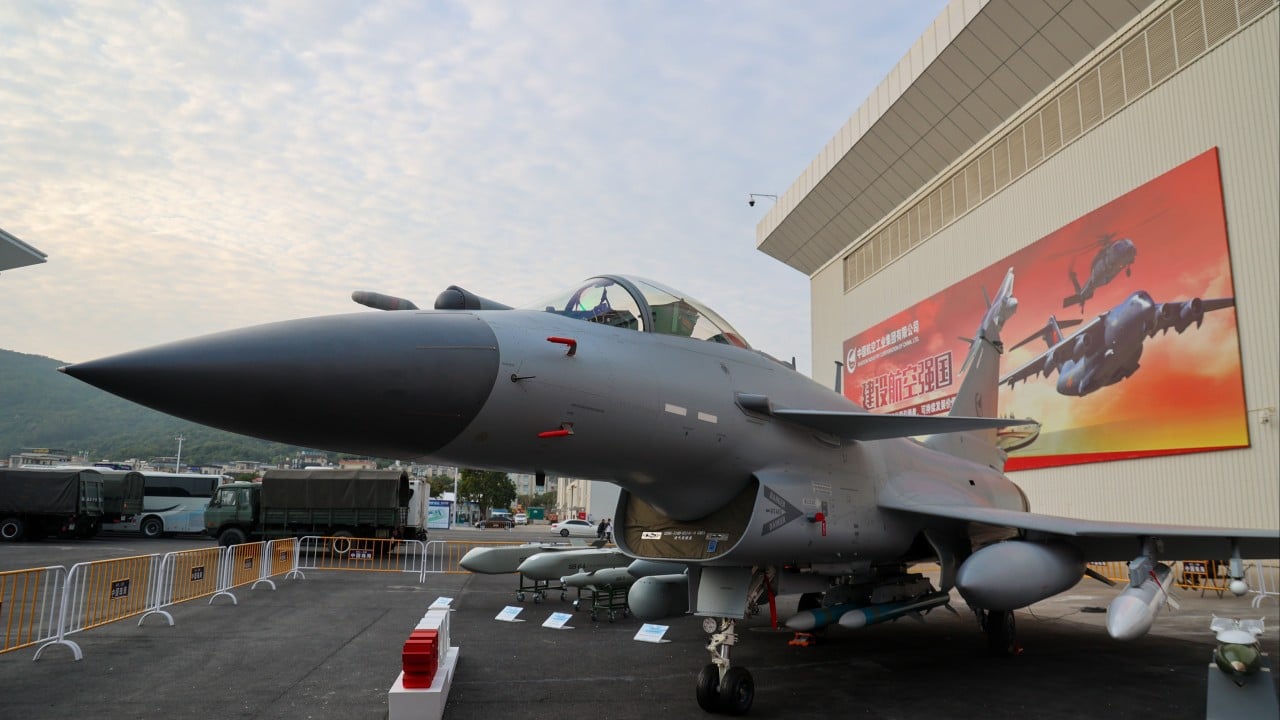
Military analysts tracking supply chains note a quieter, more alarming crisis unfolding behind the scenes. Months of sustained cruise missile strikes and air defense deployments have drained American ordnance inventories down to thresholds that leave strategic planners deeply anxious about global readiness.
When a superpower has to weigh whether replacing expended interceptors might compromise its posture in other critical theaters, the definition of military dominance begins to fray. The conflict has cost tens of billions of dollars while failing to achieve its primary structural objective: a fully reopened, secure maritime corridor through the Persian Gulf. Tankers continue to steer wide of the chokepoint, keeping global energy markets jittery and driving up costs for consumers at home just months before crucial midterm elections.
Treasury officials insist that the financial noose is tightening, pointing to restrictions on cryptocurrency networks, gold reserves, and residual shipping channels. Yet, independent trade monitors point out a glaring structural flaw. As long as private refineries and major overseas banks find ways to absorb discounted crude through opaque intermediaries, the financial dragnet retains massive holes. The administration is caught in a trap of its own making. Escalating the financial war further risks alienating crucial global partners who are unwilling to sever their own commercial lifelines to satisfy Washington's shifting strategic goals.
The Illusion of Finality
Declarations of mission accomplished, complete with digital imagery evoking historical blunders of past administrations, do little to change the reality on the ground. No American boots are marching through the streets of Tehran, but no stable diplomatic architecture exists either.
The preliminary understandings brokered earlier in the year evaporated the moment localized skirmishes resumed in the gulf. Tehran maintains its leverage precisely because it can disrupt regional commerce at will, turning a narrow stretch of water into a persistent economic tax on the entire planet. Meanwhile, mediators from neighboring states shuttle back and forth between capitals, trying to revive talks that Washington publicly dismisses even as it privately craves an off-ramp.
The hardest truth for an America First executive to accept is that some foreign entanglements cannot be wished away with a social media post or a rebranding of economic penalties. Power projection without a clear political endpoint inevitably degrades into a holding pattern, consuming resources and political capital while the underlying geopolitical fractures only widen.
The strategy has shifted from winning a war to managing the fallout of not having won it.
Trump explains why he called off 'massive' strikes on Iran
This briefing provides vital context on how leadership frames diplomatic pauses versus military escalations during prolonged standoffs.
http://googleusercontent.com/youtube_content/1