The Board Behind Bars
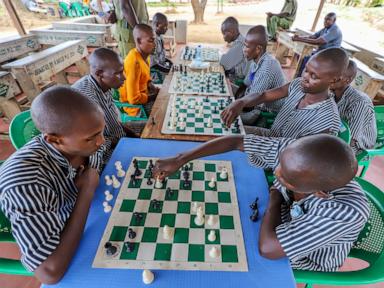
Concrete walls block out the horizon. The ambient soundscape is a dull, relentless hum of steel gates and heavy boots on stone. Yet, inside some of the toughest correctional facilities in Kenya, inmates are leaning over wooden boards, silently plotting warfare.
This is not a casual pastime to pass long hours. It is an intensive, calculated rehabilitation protocol using competitive chess.
When outsiders look at prison recreation yards, they picture weightlifting, basketball courts, or idle card games. Chess operates on an entirely different frequency. It demands absolute concentration, emotional control, and long-term consequence management. Behind these high-security fences, the game acts as a psychological mirror. Every poor impulse leads to an immediate, punishing penalty. Every disciplined strategy yields space to breathe.
Why Cognitive Discipline Matters in Penal Systems
Traditional carceral models focus heavily on containment and punishment. They warehouse human beings for years, often returning them to society with identical cognitive patterns that landed them inside. Without mental disruption, recidivism remains high.
Cognitive behavioral intervention theory suggests that criminal behavior often stems from impulsive decision-making, poor risk assessment, and a fundamental failure to consider future outcomes. Prisoners rarely pause to map out the secondary and tertiary consequences of their actions. They react to immediate stimuli.
Chess forces the exact opposite neural pathway.
A player cannot survive ten moves without projecting their mind forward. If a rook moves carelessly, the board punishes the mistake instantly. Inmates sitting across from one another must decode aggressive maneuvers, suppress panic under time pressure, and accept losses without physical retaliation.
The correctional officers managing these programs note a distinct behavioral shift among regular players. Prison yards are notoriously volatile environments where status is fought for with physical dominance. Chess offers an alternative hierarchy. Respect is earned through tactical brilliance and intellectual endurance, not muscle mass. Fights decrease. Disagreements that might have previously sparked violence are settled over a rapid-fire blitz game in the common room.
The Mechanics of Prison Tournaments
Organizing competitive chess leagues inside a correctional institution requires navigating severe logistical hurdles. Standard prison security protocols view loose objects as potential weapons or contraband. Wooden pieces can be smuggled, modified, or used to conceal items. Boards must be accounted for at every lockup count.
Prison administrators collaborate with external chess federations and non-profit organizations to supply regulation equipment and structured training modules. Inmates act as instructors, teaching novices the fundamentals of opening principles, tactical combinations, and endgame theory.
Tournaments bring a rare sense of normalcy and structured competition. Winners receive certificates, books, or small institutional privileges, but the true currency is mental liberation. For a few hours every afternoon, the concrete walls recede. The inmates are no longer defined by their charge sheets or their sentence lengths. They are simply players, calculating their next move on an equal grid of sixty-four squares.
Breaking the Cycle of Recidivism
When an inmate is released back into society, the hurdles are immense. Stigma, lack of employment opportunities, and fractured family ties create a high-pressure environment where many former offenders slip back into old habits.
The mental resilience forged over a chessboard does not magically solve systemic poverty or employment discrimination. However, it equips individuals with a vital mental toolkit. It trains the brain to pause before acting. It builds comfort with complex problem-solving and long-term planning.
Men who learned to defend a compromised king position behind razor wire apply that same calculated patience to job interviews, budget management, and conflict resolution on the outside. They understand that a temporary setback does not mean the match is lost. They know how to analyze the board, accept the current reality, and plot a quiet, steady recovery.
The board remains locked behind heavy steel doors, but the habits formed upon it cross the threshold every time an inmate walks free.