The official diplomatic vocabulary of Southeast Asia is built on euphemisms, but few terms carry the heavy, weary resignation of President Ferdinand Marcos Jr.’s recent admission that Manila is essentially "resigned" to merely managing the ongoing South China Sea dispute. It is a word that hints at exhaustion, a quiet acknowledgment that the dream of a swift legal or diplomatic resolution to Beijing's expansive maritime claims is dead on arrival. For years, the official line from Manila projected an unyielding stance of defiance, backed by resupply missions, transparency campaigns, and a renewed security architecture with Washington. Yet beneath the theater of coast guard standoffs and diplomatic protests lies a harsher reality. Territorial sovereignty cannot be easily reclaimed through press releases when faced with a permanent structural imbalance of power.
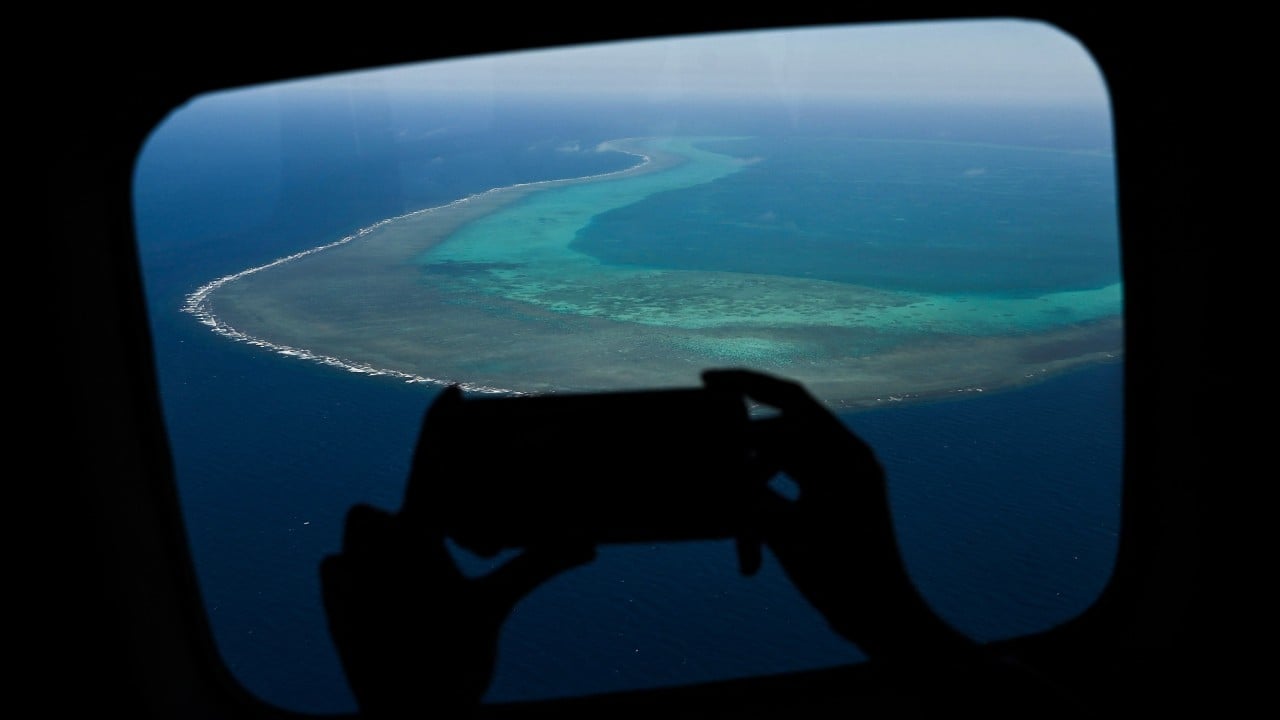
To understand why this shift matters, one must look past the headline rhetoric and examine the mechanics of attrition. China’s strategy in the West Philippine Sea has never relied on a single, catastrophic invasion. Instead, it operates through a doctrine of constant, low-intensity pressure—what analysts call gray-zone tactics. Water cannons, long-term blockades around features like Second Thomas Shoal and Scarborough Shoal, and the omnipresent shadow of maritime militia fleets are designed to exhaust the opponent economically, logistically, and psychologically. When a nation is forced to spend millions of dollars repairing battered supply boats and constantly managing tactical crises, the conflict ceases to be about winning a legal argument under the United Nations Convention on the Law of the Sea. It becomes an endurance test where time is the primary weapon. In related updates, read about: The Diplomatic Shove Inside Jerusalem That Shattered Decades of Precedent.
By stating that the Philippines is resigned to management rather than resolution, Marcos is identifying a grim structural reality. The geopolitical weight of Beijing’s presence in the waterway is permanent. No amount of verbal condemnation will alter the geography or the economic gravity that ties Asian nations to the Chinese market. This creates a deeply uncomfortable strategic bind for Manila. Publicly backing down invites severe domestic political backlash, while escalating the frequency of confrontations risks triggering an accidental kinetic clash that the armed forces of the Philippines are ill-equipped to fight alone. Consequently, crisis management has replaced strategy. The goal is no longer to push the adversary back, but simply to prevent tomorrow from being worse than today.
This defensive posture reveals the structural limitations of relying on external security guarantees as well. While the enhanced defense cooperation agreements and joint patrols with the United States provide a vital deterrent, they also transform local maritime disputes into proxy arenas for broader superpower competition. For the average Filipino citizen, the geopolitical chess match translates into higher risks of regional instability without a clear path toward securing fish stocks, oil reserves, or freedom of navigation. Deterrence prevents total conflict, but it does not clear a path to peace. It merely freezes an intolerable status quo in place, letting both sides bleed slowly in a theater of endless maritime friction. Associated Press has also covered this important topic in great detail.
The diplomatic push for a Code of Conduct with ASEAN continues to move at a glacial pace, bogged down by competing national interests and Beijing's preference for bilateral coercion over multilateral frameworks. As long as individual member states can be peeled off or pressured through economic levers, regional solidarity will remain an aspiration rather than a shield. Managing the dispute is therefore the only logical option left on the board, but it is an admission of failure disguised as pragmatism. It means accepting that international law functions poorly when the party violating it holds absolute material superiority.
The consequences of this stalemate extend far beyond the horizon of the Philippine exclusive economic zone. If a middle-income democracy backed by global alliances cannot secure its maritime borders against persistent gray-zone encroachment, the international rules-based order suffers a quiet, compounding defeat. Other claimant states watch closely, adjusting their own calculations of risk and compliance. Management becomes a permanent state of affairs, shifting from a temporary diplomatic holding pattern into an institutionalized reality where sovereignty is continuously eroded inch by inch, wave by wave.
Fubu Toy review
This video provides broader context and analysis regarding the political reactions and public discourse surrounding the maritime dispute involving Ferdinand Marcos Jr.