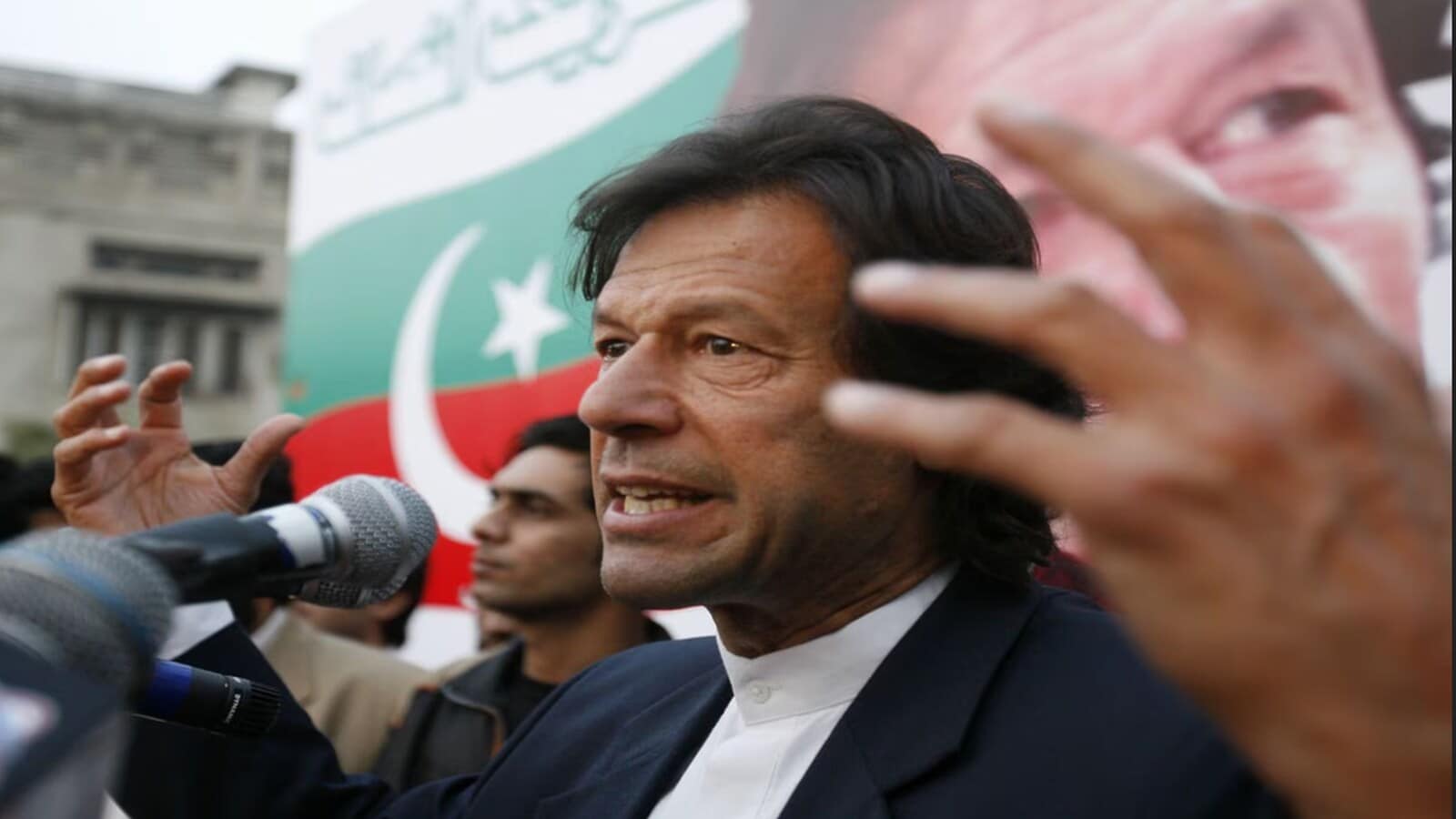
The physical condition of imprisoned former Pakistani Prime Minister Imran Khan has transformed into a high-stakes battleground where medical charts carry as much weight as parliamentary votes. Behind the heavy gates of Adiala Jail in Rawalpindi, a seventy-three-year-old man finds himself at the center of an escalating confrontation between the state apparatus and a fiercely loyal political base. Recent medical disclosures, legal maneuvers, and intense public posturing reveal a system where administrative decisions regarding healthcare cannot be separated from the harsh realities of political survival.
Official medical boards established to examine Khan have documented fluctuating blood pressure, heightened anxiety, and recurring heart palpitations. Independent medical assessments shared by former political allies emphasize that chronic isolation, restricted communication, and limited access to outside information take a severe physical toll. Yet, the interpretation of these medical findings remains fiercely contested. While opposition figures argue that prison conditions amount to deliberate neglect, government representatives maintain that standard medical protocols are strictly followed.
This friction highlights a deeper institutional anxiety within Pakistan. When a prominent political figure is incarcerated under multiple charges ranging from corruption to state secrets violations, every medical bulletin becomes an instrument of narrative control. Critics and analysts note that any state-sanctioned relocation for medical treatment risks being viewed either as a humanitarian necessity or as a calculated strategy to manage political optics. The recent judicial directives ordering a transfer to a private healthcare facility underscore the pressure facing the judiciary as it attempts to arbitrate disputes that cross the line between jurisprudence and state security.
The broader implications extend far beyond individual medical charts. International attention, including appeals from global coalitions and foreign diplomatic channels, places Islamabad under continuous scrutiny regarding its treatment of political detainees. Domestic stability remains tightly bound to the perception of fairness in how the state handles its most visible opposition leader. As legal teams fight for unhindered access and consistent updates, the fundamental question persists over how a polarized nation can reconcile state authority with basic humanitarian obligations.
The trajectory of this crisis demonstrates the fragile balance governing contemporary political transitions in South Asia. Institutional friction continues to define the daily reality of governance, leaving little room for compromise when physical well-being and political leverage intersect behind prison walls.
Pakistan Ex PM Imran Khan Hospitalized Order Issued by Supreme
This video report from YouTube covers the recent legal developments and court orders regarding the transfer of Imran Khan to a hospital amid growing health concerns.