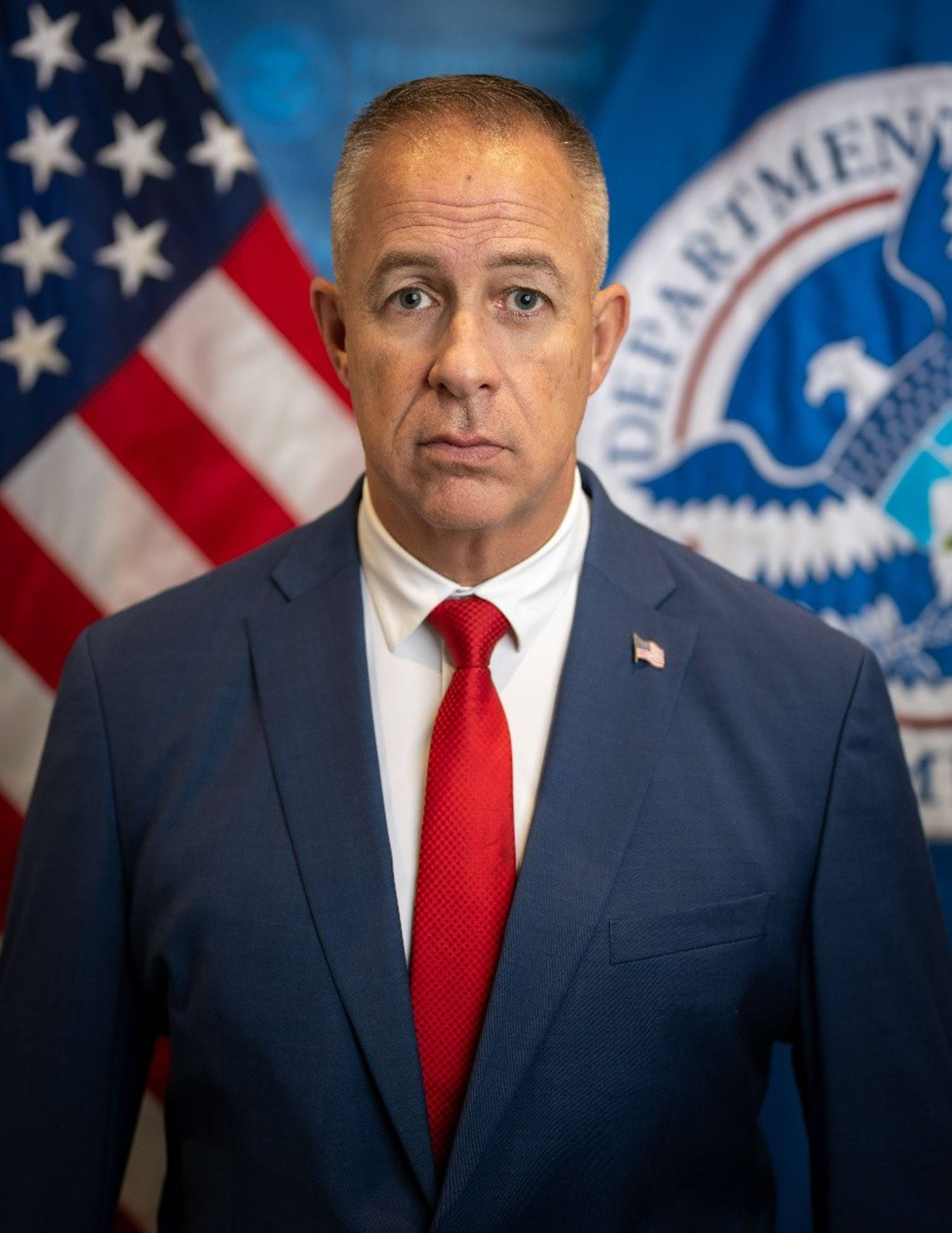
The machinery of American immigration enforcement is currently operating without a permanently confirmed head at its helm, a structural vacuum that has persisted for nearly a decade. When the White House abruptly yanked the nomination of Lance Schroyer—a former Oklahoma Highway Patrol major and close associate of Department of Homeland Security leadership—it did more than just stall another administrative appointment. It laid bare an institutional malfunction at U.S. Immigration and Customs Enforcement (ICE) that renders effective executive governance virtually impossible.
For nearly ten years, the agency tasked with executing federal immigration policy has been steered exclusively by a revolving door of temporary, unconfirmed directors. This chronic absence of Senate confirmation is not merely a bureaucratic footnote. It is a fundamental design flaw that strips the agency of long-term strategic vision, weaponizes confirmations against unrelated political grievances, and leaves career bureaucrats trapped between contradictory White House quotas and congressional oversight.
The Anatomy of a Stalled Confirmation
Schroyer’s nomination was ostensibly derailed by procedural gridlock on Capitol Hill, driven chiefly by Republican Senator Rand Paul. Behind closed doors, Paul leveraged his position on the Senate Homeland Security and Governmental Affairs Committee to stall advancement, demanding extensive federal transparency regarding agent-involved shootings in Minnesota.
This friction highlights a persistent structural reality in modern Washington. The confirmation process for top law enforcement posts has devolved into a transactional leverage point. When individual lawmakers can block an appointment to extract unrelated departmental disclosures, national security portfolios transform into bargaining chips. Schroyer, who possessed a conventional state trooper background but lacked specialized federal immigration credentials, became collateral damage in an institutional standoff.
Yet, reducing the collapse of this nomination to a clash between a senator and the executive branch ignores the deeper rot within ICE itself. The position has become radioactive.
Why the Top Job is Professional Suicide
To understand why qualified candidates struggle to cross the Senate finish line—or why they quietly discourage their own selection—one must examine the operational reality inside ICE headquarters. The agency operates under immense pressure to deliver unprecedented enforcement numbers. During the tenure of recent acting directors, leadership has found itself caught between impossible political directives from political appointees and the unyielding legal and administrative constraints of federal management.
Former acting chiefs have faced severe professional and personal tolls, from intensive congressional scrutiny to acute exhaustion under relentless deportation quotas. When an agency director lacks Senate confirmation, they also lack the institutional authority and political insulation that comes with a decisive congressional mandate. They are perpetually auditioning, highly vulnerable to shifting political winds, and unable to implement multi-year operational reforms.
Consequently, the role attracts individuals willing to absorb extreme reputational risk, or placeholders who manage day-to-day operations without attempting systemic overhauls. Schroyer’s withdrawal signals that even loyalists backed by departmental leadership are finding the Senate gauntlet and the internal agency friction unmanageable.
The Cost of Permanent Temporariness
An agency functioning indefinitely under acting leadership suffers from chronic strategic paralysis. Career personnel learn to wait out temporary chiefs. Major policy shifts are implemented via executive fiat rather than durable administrative consensus, inviting immediate legal challenges in federal courts.
Furthermore, the absence of a confirmed director eviscerates congressional accountability. When lawmakers summon an acting director to testify, the official can deflect hard questions by pointing to their provisional status and limited mandate. It creates a closed loop of unaccountability where the executive branch avoids structural reform and the legislative branch relies on performative gridlock.
As long as the confirmation process remains a theater for political retaliation and the internal demands of immigration enforcement remain politically polarized, ICE will continue to drift. The withdrawal of a nominee is merely a symptom of a much deeper institutional collapse. Until Washington addresses the structural incentives that make the ICE directorship untenable, the agency will remain a ship permanently docked in a political storm, drifting without a captain.
Lance Schroyer nomination withdrawal overview
This video provides additional context regarding the withdrawal of Lance Schroyer's nomination to lead ICE and the broader political climate surrounding the agency.