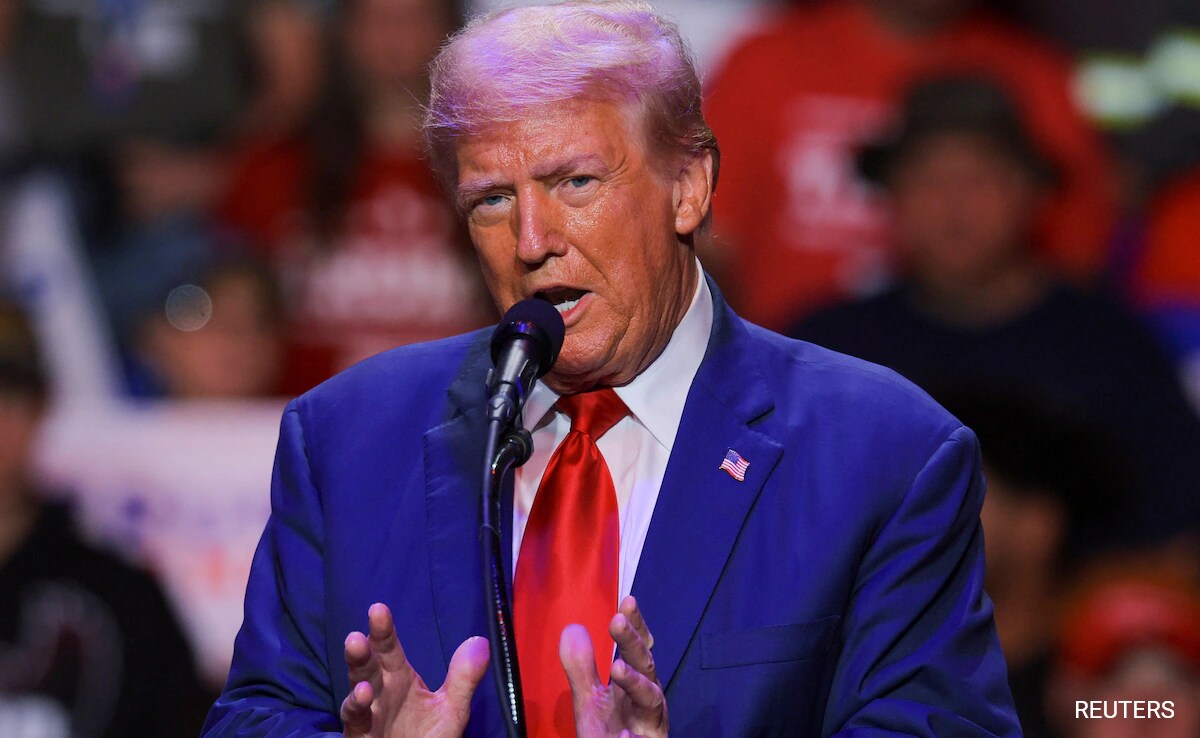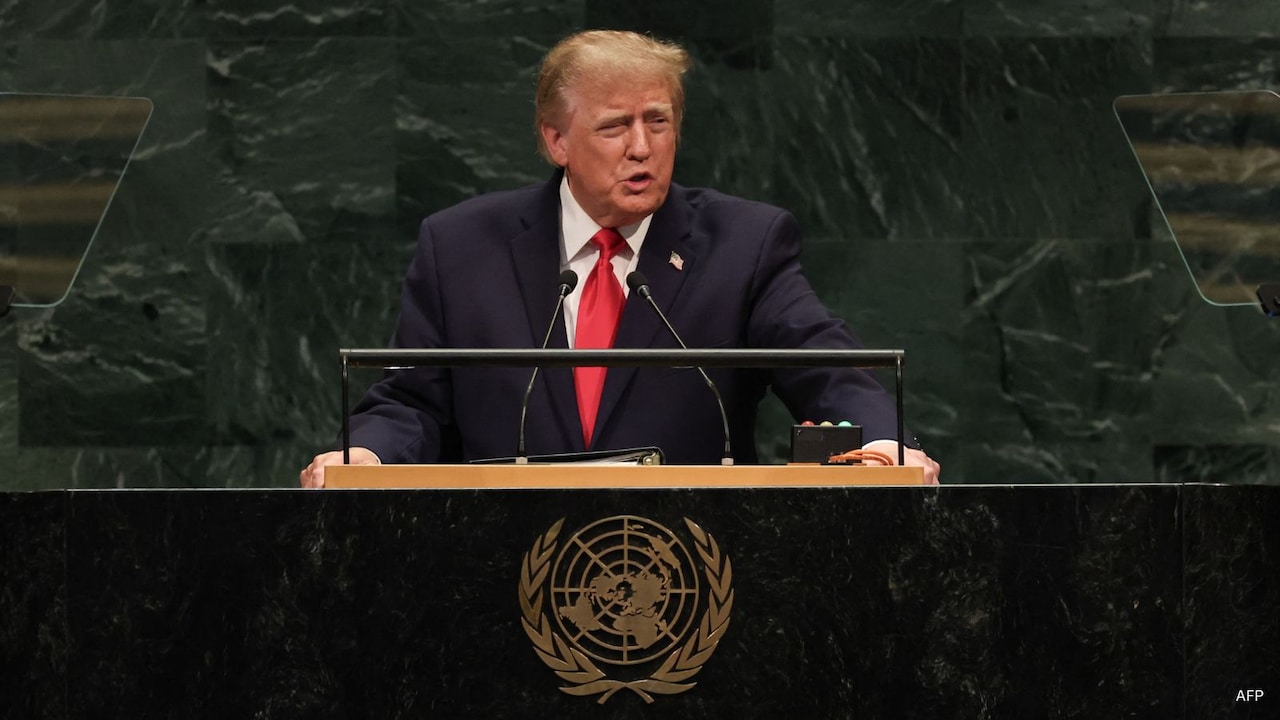
The grand marble hall of the United Nations General Assembly has long served as a theater for diplomatic posturing, where threats are wrapped in velvet phrases and ultimatums are disguised as multilateral cooperation. But when Donald Trump took the podium at the UN, the velvet was stripped away entirely. Faced with an intractable conflict in the Middle East, surging domestic fuel prices, and an anxious international community, the American president delivered a binary proposition to Tehran: negotiate a comprehensive agreement or face total destruction.
The speech bypassed traditional diplomatic signaling. Instead, it laid bare the underlying mechanics of modern coercive statecraft. By demanding that foreign allies enforce the economic isolation of Iran while simultaneously dangling the prospect of swift annihilation, the administration sought to force a structural capitulation. Yet beneath the rhetoric of absolute power lies a much more complex reality of strategic fatigue, economic friction, and a ticking clock dictated by domestic political realities.
The Anatomy of an Ultimatum
To understand the weight of the UN address, one must examine the operational state of the conflict. Months of military escalation have transformed vital maritime trade routes into contested zones, driving up global energy costs and straining the supply chains that power Western economies. When a state power establishes a naval blockade or threatens critical chokepoints like the Strait of Hormuz, the ripple effects are felt instantly at gas pumps from Chicago to Tokyo.
The administration's core premise rests on the idea that overwhelming kinetic pressure, combined with absolute economic strangulation, will eventually break the resolve of Tehran's leadership. History shows, however, that heavily sanctioned regimes often double down on survival mode rather than folding under pressure. The demand for an immediate deal on uranium enrichment collides directly with a deeply entrenched ideological resistance inside Iran, where yielding to public ultimatums is viewed as an existential threat to the regime's survival.
Behind Closed Doors
While the public theater at the General Assembly captured global headlines, the real maneuvering unfolded away from the television cameras. Backchannel communications between U.S. emissaries and Iranian representatives on the sidelines of the UN summit revealed a quieter, more pragmatic track running parallel to the public bellicosity. Diplomats operate on deadlines, and the looming shadow of domestic electoral cycles creates an artificial compression chamber for negotiations.
This creates a dangerous paradox. If foreign leaders believe an administration is constrained by a strict internal timeline, their incentive is to stall, absorb the blows, and wait out the political storm. Conversely, an administration seeking a rapid diplomatic win may be tempted to overstate its military objectives, creating a credibility gap that foreign adversaries quickly learn to exploit.
The Cost of Exhaustion
The friction of prolonged confrontation is not measured solely in diplomatic communiques; it is tallied in fiscal deficits and strategic overextension. Energy markets remain hypersensitive to every rhetorical shift emerging from New York and Washington. When energy commodities spike, inflationary pressures cascade through manufacturing, transport, and consumer sectors.
Alliance management has similarly grown frayed. European partners and regional states caught in the geopolitical crossfire are increasingly reluctant to write blank checks for a strategy that lacks a clear, stable endgame. The demand for total alignment often runs headfirst into the sovereign interests of smaller nations who bear the brunt of regional instability without sharing the luxury of geographic detachment.
The choice presented at the United Nations was framed as a stark fork in the road: an accelerated path toward a binding settlement or a descent into irreversible ruin. Yet foreign policy rarely bends so easily to theatrical binaries. As backchannel talks test the waters for a compromise, the true test remains whether either side can bridge the chasm between public posturing and the quiet concessions required to make peace stick.
A heated debate on U.S. foreign policy and military strategy
This discussion provides valuable context on the political and strategic debates surrounding the administration's foreign policy choices in the Middle East.