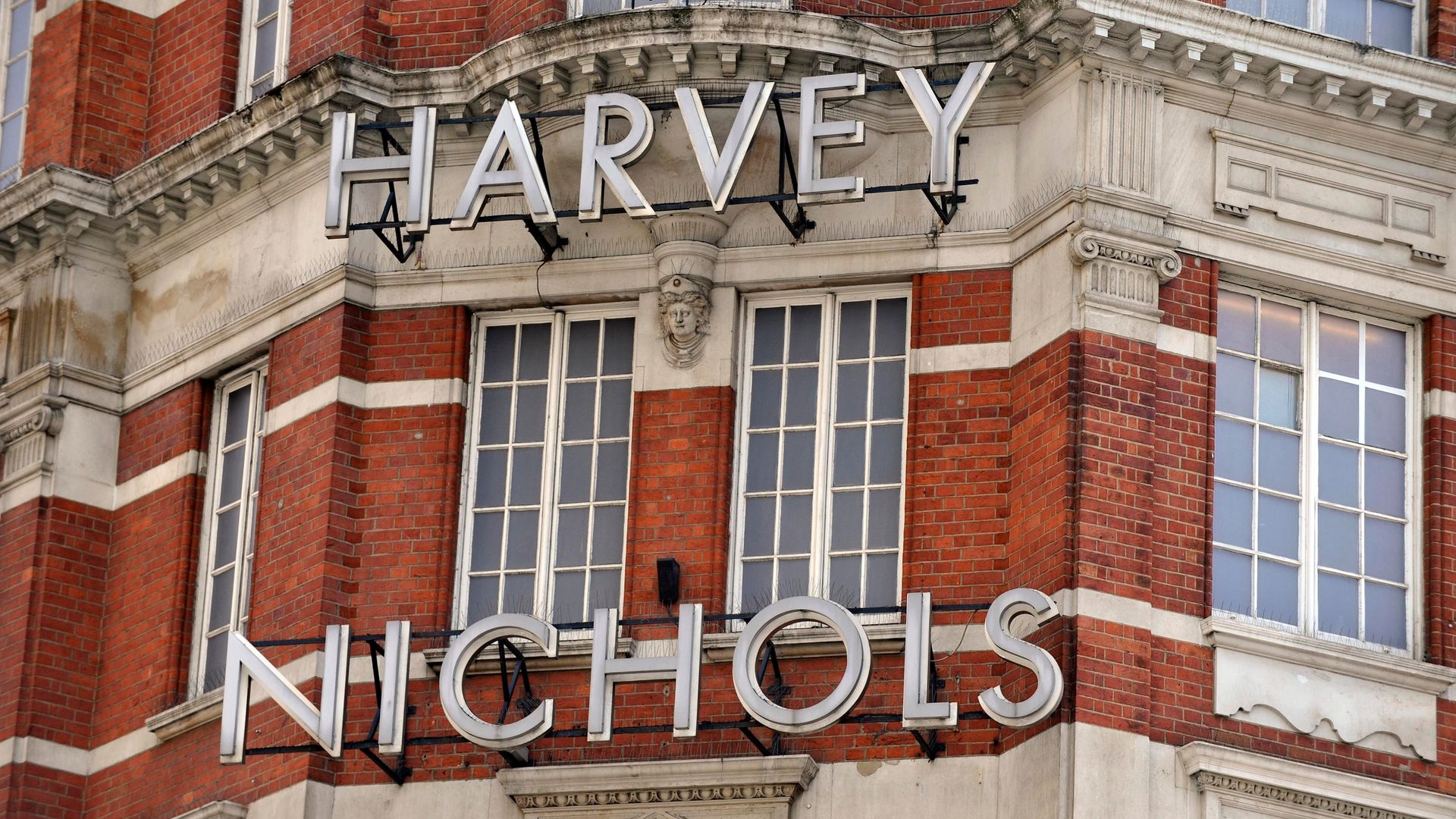
The corporate machinery controlling Harvey Nichols is grinding toward a momentous transition, drawing an eclectic mix of suitors from discount high street backers to aggressive retail consolidators. Gordon Brothers, the investment firm steering Poundland, has entered the fray alongside heavyweights like Next and Frasers Group, laying bare the desperation and ambition driving modern British retail acquisitions. For three and a half decades, billionaire owner Sir Dickson Poon maintained his grip on the Knightsbridge flagship and its regional outposts. Now, as the Poon family approaches a definitive exit strategy coordinated by advisers at FTI Consulting, the future of high-end department store commerce hangs in the balance.
This corporate auction is not merely about shifting ownership sheets. It represents a desperate scramble to salvage an iconic brand that has struggled against structural shifts in consumer spending, post-pandemic tourism patterns, and skyrocketing operational overhead. The bidding parameters set by the current ownership demand more than just a purchase price. Prospective buyers face a strict requirement to inject up to sixty million pounds in fresh capital. This targeted funding is explicitly earmarked for critical infrastructure overhauls, including the long-overdue Edinburgh store refurbishment, international digital acceleration, and a broader operational pivot. For an alternative look, consider: this related article.
The Strange Bedfellows of Modern Retail
When a turnaround specialist and discount retail backer like Gordon Brothers tables an offer for a high-end luxury bastion, traditional industry boundaries have effectively dissolved. Gordon Brothers is no stranger to unglamorous turnarounds or high street staples, having managed brands spanning from Laura Ashley to WHSmith's former high street assets. Yet applying a discount or turnaround playbook to a Knightsbridge establishment known for designer haute couture and champagne bars requires an impossible balancing act. Luxury consumers demand exclusivity, personal attention, and curated physical theatre. Mass-market operational efficiency often strips away the very magic that makes a luxury department store viable in the first place.
Simultaneously, the pursuit by giants like Next and Mike Ashley's Frasers Group highlights two distinct philosophies of British retail survival. Next operates with clinical financial discipline, expanding its portfolio through calculated acquisitions like Russell and Bromley or Cath Kidston, quietly integrating them into a digital powerhouse platform. Frasers Group pursues a high-octane elevation strategy, aggressively snapping up struggling properties to bend them into sports-luxe and premium fashion ecosystems. Handing Harvey Nichols over to either of these corporate beasts means altering the DNA of a company whose roots stretch back to eighteen thirty-one. Related insight on the subject has been shared by MarketWatch.
The Financial Realities Beneath the Glitz
The romanticism of luxury retail often masks the brutal ledger math underneath. Harvey Nichols has fought a grueling financial battle for years, weathering changing consumer habits that favor direct-to-consumer digital flagships over cavernous brick-and-mortar footprints. Maintaining prime real estate in Knightsbridge, Edinburgh, Birmingham, Manchester, Leeds, and Bristol carries astronomical fixed costs. When foot traffic fluctuates or luxury tourism dips, those fixed costs become a slow-bleeding wound.
Sir Dickson Poon injected tens of millions of pounds into the business over recent years to keep the lights on and the champagne flowing, absorbing losses that would have sunk a less capitalized enterprise. That deep-pocketed familial subsidy is coming to an end. The incoming owner must instantly shoulder the burden of modernizing legacy systems while competing against agile online luxury competitors who carry zero physical store overhead. The required sixty million pound investment fund is merely the baseline entry fee for this survival game. Without continuous digital innovation and localized inventory tailoring, any new parent company risks buying a glittering monument to retail history that continuously drains corporate reserves.
International Ambitions and Middle Eastern Capital
Beyond the domestic scramble involving British high street titans and turnaround firms, the auction process features an international dimension managed through parallel diplomatic and financial channels. Regional advisers have actively courted wealthy Gulf investors, with entities like the Dubai-based Chalhoub Group and India-based Reliance Retail examining the potential mechanics of a takeover. International players view historical British retail assets through a different lens, often focusing on cross-border expansion potential and brand equity that can be exported directly into burgeoning luxury markets across the Middle East and Asia.
Harvey Nichols already maintains a footprint in international territories including Hong Kong, Dubai, Riyadh, Kuwait, and Doha. For a foreign strategic buyer, acquiring the core UK business provides an authenticity anchor—a prestigious Knightsbridge pedigree that validates high-end operations abroad. However, managing a disparate international franchise network while attempting a complex domestic restructuring creates immense managerial friction.
The Cultural Footprint and the Road Ahead
For generations of shoppers, Harvey Nichols represents a specific brand of British cultural cachet, immortalized by late-twentieth-century television pop culture and its status as the cooler, edgier alternative to its historic rival in Knightsbridge. Yet nostalgia does not pay commercial rent or fund supply chain technology. The decision resting on the desks of FTI Consulting and the Poon family will dictate whether this historic institution adapts into a resilient modern hybrid or gets carved up for parts by opportunistic consolidators. As the final bidding windows slam shut, the ultimate victor will inherit a legendary name, a bruised balance sheet, and an unforgiving timeline to prove that traditional luxury department stores still have a viable economic pulse in the twenty-first century