Victoria police charged 43-year-old Tarrawingee resident Brendan Nugent over an alleged targeted vehicle attack on independent federal lawmaker Helen Haines outside her Wangaratta electoral office on October 19, 2026. Haines, 65, suffered catastrophic injuries requiring double leg amputations before leaving a Melbourne hospital nearly a month later to begin rehabilitation.
Most coverage stops at the headline shock. A lawmaker gets rammed in regional Victoria, police call it targeted, politicians blame heated rhetoric, and everyone moves on by Tuesday's bulletin. That surface reading misses what actually makes this case dangerous for Australian democracy.
I have spent decades covering political violence, security failures, and rural governance. Usually, when an elected official is attacked, the script is familiar: a radicalized stranger with a manifesto, a partisan grievance, or an unhinged loner screaming slogans. None of that fits comfortably here.
A Family Friend in the Cab
Standard breaking news treats "targeted" as a synonym for "ideological." In court and public statements, the facts point toward something far messier and more unsettling.
Nugent's father, Rod Nugent, stated publicly that his family had been friends with Haines for more than 20 years, calling the circumstances unfathomable. In a tight-knit rural electorate like Indi—covering regional hubs and small towns where people know who delivered their children or sat on the local committee—personal history and public life collide constantly. Haines worked as a nurse and midwife long before entering Parliament in 2019.
When Magistrate Allison Vaughan addressed the matter at Wangaratta Magistrates' Court, she noted mental health and neurological concerns for the accused and observed it was his first time in custody. Police also seized a knife from inside the Toyota Land Cruiser and later added cannabis cultivation and possession charges alongside offenses involving dangerous driving causing serious injury, intentionally causing serious injury, and harming a public official.
Police said they believe the incident was targeted yet isolated. That distinction matters. Calling an attack targeted tells the public it was not a random traffic accident; calling it isolated warns against projecting a single organized plot onto every grievance in the district.
Why Regional Offices Are Exposed
City parliaments get metal detectors, armed guards, and hardened perimeters. Country electorate offices look like local shops.
In places like Wangaratta, accessibility is not a marketing slogan. It is how rural representation works. Constituents walk in to sort out pension delays, Medicare headaches, mobile coverage black spots, or disaster recovery grants. If an MP hides behind airport-style security in a regional town, they sever the exact civic bond that makes independent regional representation viable.
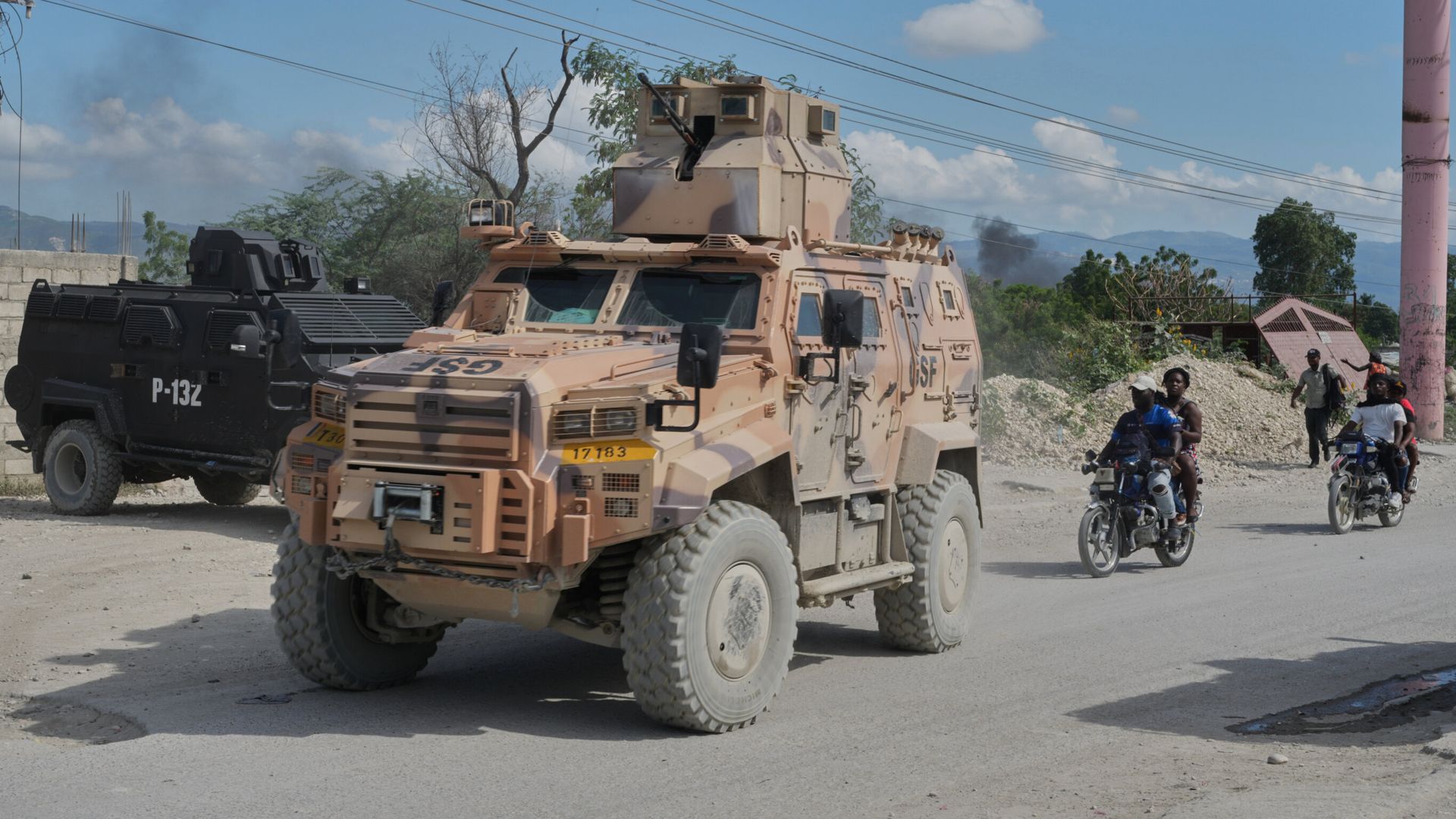
Yet open doors carry physical exposure that no press release can fix. Haines was outside near her vehicle when she was struck repeatedly by a heavy SUV. A Toyota Land Cruiser is not a light sedan; it carries mass, high clearance, and kinetic force that turns an ordinary street or car park into a lethal hazard in seconds.
Bystanders intervened, including local barber Ricky Jefferies, who helped restrain the suspect, and neighbors stepped in to render aid before emergency crews arrived. Courage at the curb saved lives from getting worse, but citizen heroism is not a security architecture.
The Rhetoric Trap After Every Attack
Whenever violence hits politics, leaders reach for the same microphone line. Prime Minister Anthony Albanese pointed to heated, personal political debate, and security officials warned about grievance and polarization creating a permissive environment for violence.
There is real truth in those warnings. Threat levels against federal parliamentarians have climbed, and online abuse has bled into physical intimidation.
Still, blaming "toxic discourse" as a catch-all explanation lets institutions off too easily. Not every violent act against a public figure is born on a comment thread or a partisan rally. Sometimes severe psychological crisis, untreated neurological illness, personal fractures, or domestic and community strain converge on a visible target simply because that target is accessible and prominent.
If lawmakers treat every attack solely as a symptom of partisan incitement, they may design policies that miss non-ideological warning signs. Conversely, if they treat every attack as a purely medical or personal anomaly, they ignore real patterns of intimidation directed at public servants. Both errors distort risk assessment.
| Analytical Lens | What It Explains Well | Where It Falls Short |
|---|---|---|
| Political Polarization | Rising online abuse, hostility toward public institutions, and broader threat trends against MPs | Fails to explain decades-long personal ties or specific clinical/neurological factors |
| Mental Health & Neurology | Individual crisis, impaired judgment, or sudden behavioral breakdown noted in court | Cannot excuse or erase the broader duty to protect public officials from severe harm |
| Physical Vulnerability | Open access in regional offices and street-level exposure outside vehicles | Hardening every rural storefront risks turning public representatives into isolated fortresses |
What the Legal Process Actually Tests
Charges are accusations, not verdicts, and the court process moves slowly for a reason. Nugent did not apply for bail and remained in custody with a committal mention scheduled for February 2027.
That timeline frustrates a 24-hour news cycle hungry for certainty. It should. Serious criminal charges—especially those combining state offenses with federal crimes for harming a public official—require forensic reconstruction, witness statements, medical evidence, and careful handling of mental health assessments so a trial is fair and legally sound.
Public sympathy after an attack is easy to mobilize; building durable protections without killing everyday democracy is the real test.
✨ Don't miss: The Whispered Anthem and the Berlin Stage
Meanwhile, the human cost sits far outside the courtroom. Haines spent weeks in hospital in Melbourne before her discharge in mid-November, turning her focus to long-term rehabilitation after losing both legs, while donations to her chosen charity, Save the Children, climbed past $1.4 million AUD.
Hard Choices for Electorate Safety
Protecting MPs and their staff requires targeted, practical adjustments rather than performative theater.
- Audit physical choke points without closing the front door. Review parking layouts, bollard placement, lighting, and staff exit routes around regional offices so a vehicle cannot easily reach people on foot.
- Separate ideological threats from crisis cases. Police and parliamentary security should maintain clear protocols for individuals in acute mental or neurological crisis who have prior contact with an office, ensuring early intervention before tragedy strikes.
- Fund real support for local staff. Electorate workers in regional seats often absorb daily hostility alone; quiet panic-button upgrades, de-escalation training, and rapid police liaison matter far more than speeches in Parliament.
None of these steps guarantees safety. A determined driver in a heavy vehicle outside a local office remains a terrifyingly hard threat to stop completely.
Watch how Parliament and state governments behave once the flowers fade and the February court date approaches. Real reform happens when officials fund unglamorous street-level protections—and resist the urge to turn every tragedy into a partisan talking point.