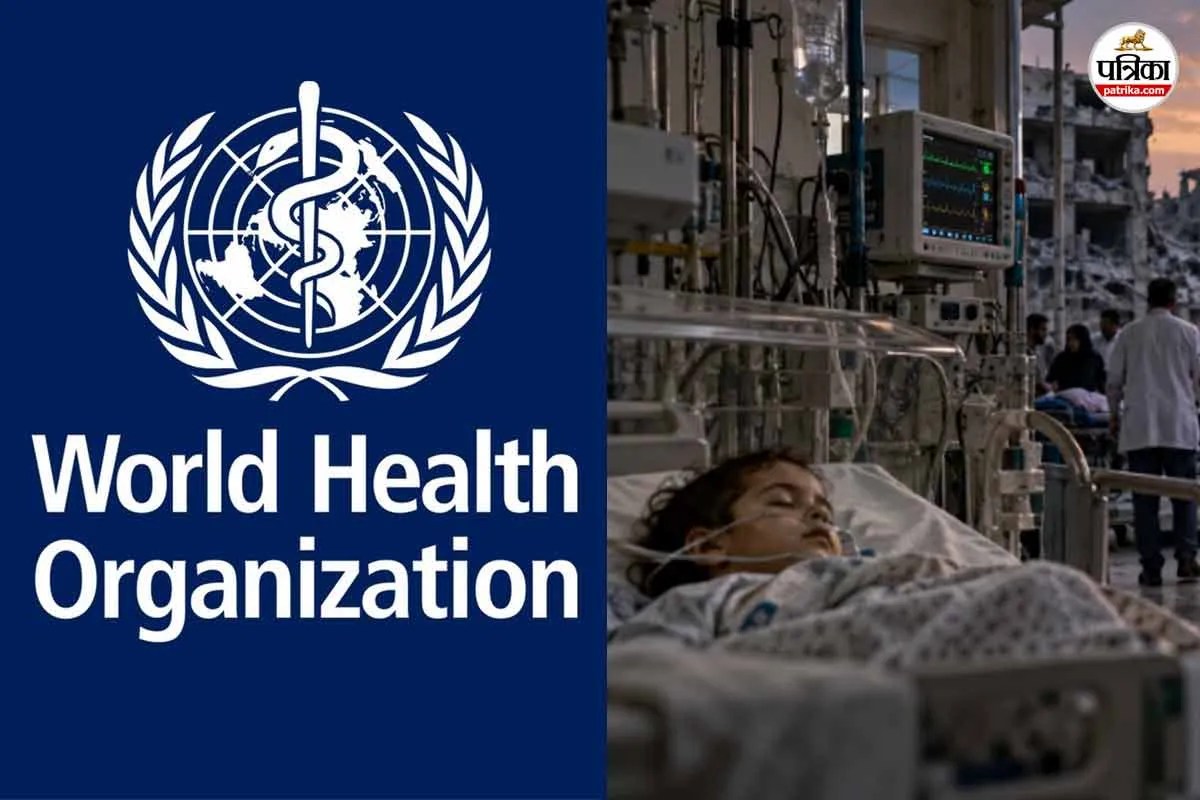
When the World Health Organization announced the impending cessation of diesel supplies to more than twenty medical facilities across the Gaza Strip, international headlines treated it as a sudden tragedy. It was not sudden. It was the predictable mathematical outcome of a system built on bureaucratic rationing, chronic supply-line bottlenecks, and the weaponization of basic logistics in a protracted conflict zone. For months, hospitals had been operating on fuel reserves measured not in weeks or months, but in single-digit hours. When the WHO faced severe funding shortages and restricted corridor access, the fragile lifeline snapped.
To understand why twenty-plus hospitals faced immediate structural paralysis, one must look past the press releases and examine the mechanical reality of healthcare under blockade. Gaza's electrical grid collapsed entirely during the early phases of the war. Since then, every operating theater, every neonatal incubator, every dialysis machine, and every oxygen concentrator has relied exclusively on industrial backup generators. These generators are massive, fuel-thirsty machines engineered for continuous commercial use, not the erratic, stop-gap existence forced upon them by recurring import bans.
Without a steady, uninterrupted drip of diesel fuel, these facilities transition from places of healing to silent morgues within hours. A hospital generator burning through hundreds of liters an hour does not wind down gracefully. It stutters, chokes, and dies. When that happens, intensive care units go dark. Mechanical ventilators stop pumping air into the lungs of patients who cannot breathe on their own.
The logistics of keeping these generators alive form a grueling daily administrative war. Humanitarian agencies operating on the ground must negotiate every single tanker truck through a labyrinth of checkpoints, border closures, and military authorizations. The Rafah and Kerem Shalom crossings have repeatedly served as choke points where bureaucratic delays turn administrative paperwork into a death sentence for patients trapped inside the enclave. Even when fuel is sitting in storage depots just kilometers away across the border, bureaucratic red tape and security restrictions prevent it from reaching the generators before the tanks run dry.
International donors often treat fuel funding as a discretionary line item, something that can be dialed up or down depending on donor fatigue and geopolitical shifts. This mindset ignores the physical laws governing diesel engines and human physiology. A hospital cannot budget its way out of a total fuel embargo. When international bodies run out of funds or face transit blockades, the deficit is paid immediately in human lives.
The crisis is further compounded by a critical shortage of maintenance supplies and engine oil. Running generators twenty-four hours a day under heavy load creates extreme mechanical wear. Filters clog with desert dust, pistons overheat, and internal components fracture. Without replacement parts allowed through the crossings, even a hospital with a full tank of diesel will eventually experience catastrophic mechanical failure. The machinery simply destroys itself from overuse.
Local health officials have repeatedly warned that the collapse of these twenty facilities creates a cascading failure across the entire medical ecosystem. When major hospitals like Al-Wafa or specialized field clinics curtail operations, the remaining functioning centers are flooded with displaced patients they have no capacity to treat. Neonatal occupancy rates in surviving units have frequently soared past one hundred and fifty percent, forcing multiple premature infants to share a single incubator.
This is the brutal truth of the situation. The survival of thousands of vulnerable patients is tethered to the diplomatic whims of nations that view humanitarian aid as a bargaining chip rather than an unconditional imperative. As long as fuel deliveries remain subject to arbitrary restrictions and funding shortfalls, the medical infrastructure of Gaza will lurch perpetually from one manufactured catastrophe to the next, leaving doctors to perform triage not based on medical need, but on how many liters of diesel are left in the basement tank.