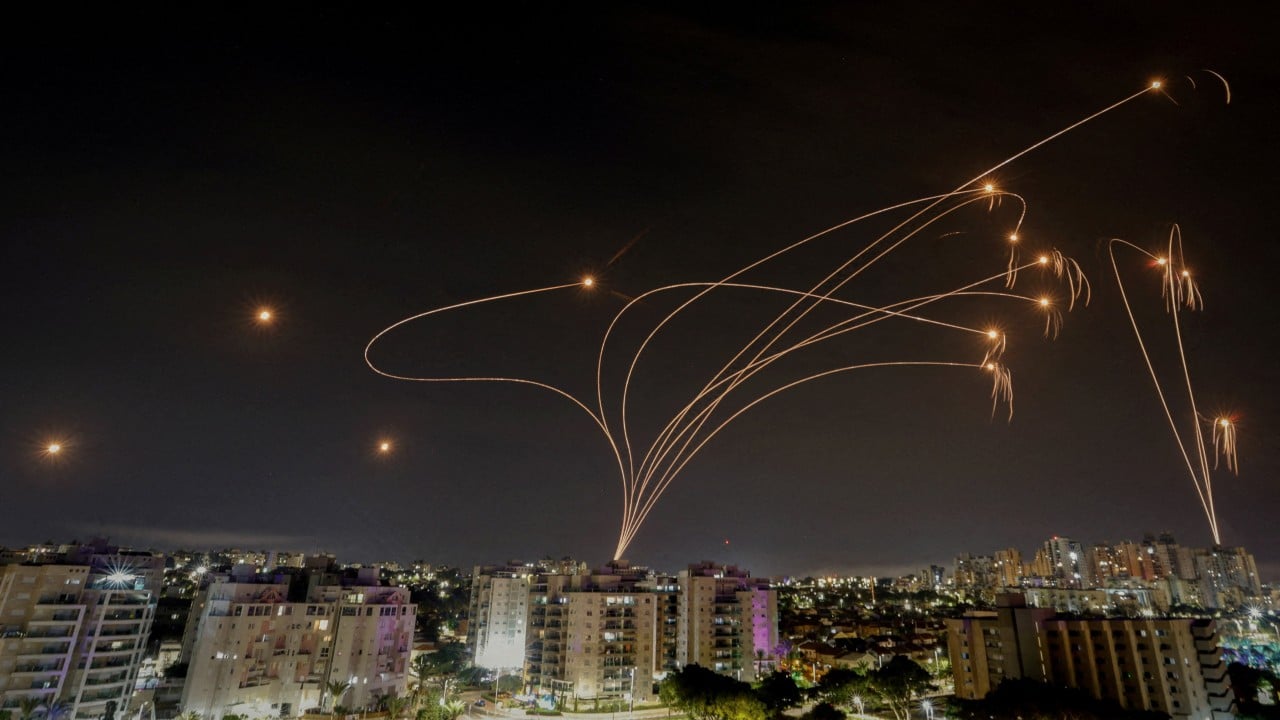
Greece has officially greenlit a €3.5 billion ($4 billion) defense contract with Israeli military firms to construct a integrated multi-layered air defense grid known as Achilles Shield. Approved by Athens's Government Council for Foreign Affairs and Defense, the 35-month project seeks to replace aging Soviet-era S-300s and supplement existing American Patriot batteries. Driven by rising drone threats across regional flashpoints and long-standing territorial friction with neighboring Turkey, the network will fuse David's Sling, SPYDER, and Barak MX interceptors with advanced ELTA radar systems. Greek domestic defense manufacturers are set to handle at least 25% of local production under the procurement framework.
The Geopolitical Engine Driving the Achilles Shield
Military spending in Athens rarely occurs in a vacuum. Spending nearly 3.5% of its gross domestic product on national security—consistently among the highest proportions within NATO—Greece maintains a defense posture heavily influenced by its complex relationship with Ankara. While both nations remain formal NATO allies, contested maritime boundaries, airspace disputes in the Aegean, and competing claims over eastern Mediterranean energy fields keep friction constant.
For decades, Greek air defense relied on a patchwork architecture. Top-tier defense came from American Patriot PAC-2 and PAC-3 systems, while long-range coverage in Crete depended on legacy Russian S-300 platforms acquired during the late 1990s. The war in Ukraine exposed severe vulnerabilities in maintaining Russian hardware. Spare parts disappeared, technical support evaporated, and Western sanctions made servicing Russian equipment nearly impossible.
Replacing Russian hardware became an urgent strategic necessity rather than a routine upgrade. Israeli defense suppliers stepped into this opening, building on years of deepening bilateral security cooperation that includes joint military exercises and an air force training facility in Kalamata operated by Elbit Systems.
Deconstructing the Multi-Layered Air Architecture
The technical core of Achilles Shield draws heavily from Israel's operational experience with multi-tiered missile interception. Rather than relying on a single weapon system, the network splits threats across distinct altitude and range envelopes.
- David's Sling: Developed jointly by Rafael Advanced Defense Systems and American defense firm RTX, this system handles long-range artillery rockets, tactical ballistic missiles, and cruise missiles.
- Barak MX: Built by Israel Aerospace Industries (IAI), this modular network provides flexible coverage against maneuvering aircraft, sea-skimming anti-ship missiles, and medium-range ballistic threats.
- SPYDER: Operating short-to-medium-range Python-5 and Derby missiles, SPYDER targets fast-moving tactical jet aircraft, armed helicopters, and precision-guided munitions.
- ELTA Radar Integration: Sensor suites manufactured by IAI's ELTA division link these disparate firing units into a centralized command-and-control network, creating a synchronized operational picture.
A crucial component of the initiative involves integrating counter-drone mechanisms. Recent warfare in Eastern Europe and the Middle East demonstrated that low-cost, one-way attack drones can overwhelm traditional air defense networks that rely exclusively on expensive interceptor missiles. To address this asymmetric risk, the procurement package includes Israeli Heron 1 platforms alongside American Shield AI V-BAT unmanned aerial systems, creating persistent aerial surveillance over island chains and border corridors.
Industrial Realities and Economic Trade-offs
A central political sticking point in Athens has long been domestic defense participation. Historically, foreign military acquisitions left Greek shipyards and manufacturing plants out of the supply chain, generating public pushback over taxpayer funds flowing entirely overseas.
Defense Minister Nikos Dendias confirmed that Greek domestic companies will manufacture roughly €700 million worth of hardware, representing at least a quarter of the total contract value. Rebuilding domestic defense production capability remains essential for Athens, ensuring that routine maintenance, sensor repairs, and ammunition production can occur locally during a crisis.
+--------------------------+---------------------------------+----------------------------------+
| Defense System           | Manufacturer                    | Primary Operational Target       |
+--------------------------+---------------------------------+----------------------------------+
| David's Sling            | Rafael / RTX                    | Ballistic & Cruise Missiles      |
| Barak MX                 | Israel Aerospace Industries     | Medium-Range Aircraft & Missiles |
| SPYDER                   | Rafael Advanced Defense Systems | Low-Altitude Jets & Munitions    |
| ELTA Radar Network       | IAI ELTA Systems                | Command & Control Integration    |
+--------------------------+---------------------------------+----------------------------------+
Despite the aggressive 35-month timeline announced by defense officials, rapid integration carries distinct engineering risks. Merging Israeli sensor logic with existing Western NATO link protocols requires extensive software recalibration. If command networks fail to communicate seamlessly during a high-tempo saturation attack, air defense batteries risk delayed tracking or target duplication.
The Regional Balance of Power
The acquisition comes amidst a broader €28 billion military overhaul running through 2036. Alongside the ground-based shield, Greece is purchasing up to 40 American F-35 stealth fighters, French FDI frigates, Brazilian Embraer C-390 transport aircraft, and British VICTA mini-submarines for naval special operations.
In response, Ankara continues expanding its own domestic defense ecosystem, including the Steel Dome air defense initiative and the mass production of indigenous fighter jets and combat drones.
By committing over $4 billion to Israeli missile hardware, Athens is securing an operational shield while anchoring its defense posture firmly within an emerging regional alliance structure alongside Jerusalem and Nicosia. Success will not be measured by signing ceremonies or press statements, but by whether this complex matrix of radars, interceptors, and command nodes can meet its rigid 35-month deployment deadline without cost overruns or technical bottlenecks.