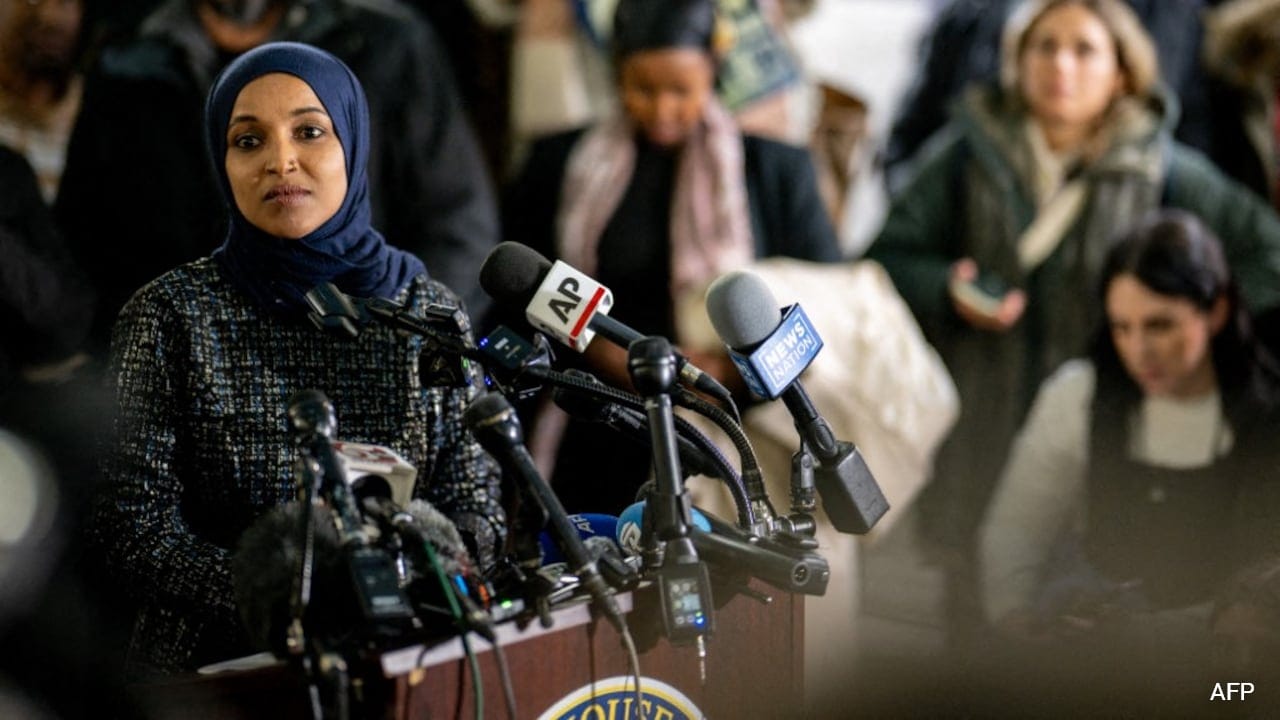
Federal authorities executing a predawn search on the Washington-area home of Democratic Representative Ilhan Omar crossed a historic and dangerous rubicon in American politics. The seizure of Omar’s personal cell phone, laptop, and passport, alongside more than a dozen grand jury subpoenas directed at her relatives, marks a profound escalation in a years-long confrontation between the Minnesota lawmaker and the executive branch. At its core, the Department of Homeland Security and Justice Department investigation focuses on potential immigration-related infractions. Yet the timing—unfolding weeks before a contentious midterm election—and the direct targeting of a sitting federal legislator have ignited a fierce debate over the limits of state power, executive overreach, and the chilling effect such inquiries have on legislative independence.
For years, critics on the right have scrutinized Omar's background and family lineage, trading in accusations that long predated the current administration. What changed is the transition from political rhetoric to active grand jury mechanics. By issuing subpoenas to family members and stripping a member of Congress of her primary communications device, investigators are applying pressure points typically reserved for organized crime syndicates or high-level national security threats. Omar has fiercely denied any wrongdoing, characterizing the raid and subsequent seizures as an authoritarian campaign of political intimidation designed to silence a prominent progressive voice. You might also find this connected coverage insightful: Hostage Diplomacy and Espionage Claims After the Sakhalin Arrest.
The mechanics of this investigation reveal deep procedural fractures. Attorneys representing Omar immediately pushed back in federal court, arguing that the Department of Justice violated internal protocols protecting legislative communications and failed to properly notify congressional legal counsel prior to executing the search warrant. Past norms within federal law enforcement typically discouraged overt, dramatic investigative actions against political figures within a sixty-day window of an election, a buffer meant to preserve public trust and prevent the justice system from becoming an active participant in electoral politics. Breaking that seal sets a precedent that will inevitably alter how future administrations handle inquiries into political opponents.
Evaluating the credibility of such an inquiry requires looking past the partisan theater. Immigration law is notoriously complex, and historical allegations regarding family entry documents form the spine of the government’s stated justification. However, turning the machinery of federal grand juries against a sitting lawmaker's extended family elevates the stakes far beyond a routine administrative audit. If the state can compel testimony from a politician's relatives while seizing the communication tools of an active federal official under questionable temporal proximity to an election, the separation of powers undergoes a severe stress test. As extensively documented in recent articles by Reuters, the results are significant.
The defense mounted by Omar's legal team hinges on the argument that the search was neither justified nor lawful, pointing to initial restrictions placed on investigators by U.S. Magistrate Judge Matthew Sharbaugh. These judicial guardrails are meant to ensure that executive branch agencies do not rummage indiscriminately through legislative files or violate constitutional protections under the Speech or Debate Clause. Yet, with physical boxes of evidence removed from the residence and digital data mirrored from the seized phone, the contents are already in the hands of federal prosecutors.
As the legal battles shift to courtrooms unsealing heavily redacted search warrants, the broader implications stretch well beyond Minneapolis or Capitol Hill. When federal law enforcement becomes inextricably tied to the personal grievances of executive leadership, the threshold for targeting elected representatives lowers permanently. The fallout from these subpoenas will define the boundaries of congressional immunity and executive enforcement for generations.
This video provides coverage and reporting on the Department of Justice seizing Representative Ilhan Omar's phone and issuing family subpoenas during the immigration investigation.