Flash floods don't just destroy what they touch on the surface; they swallow entire underground networks whole. When catastrophic floods tore through the Trishuli and Bhote Koshi river basins in Nepal, they left behind a nightmare scenario: hundreds of workers trapped inside pitch-black, mud-choked hydropower tunnels.
Standard search and rescue units are completely useless here. You can't send infantry soldiers with shovels into a collapsed subterranean pipe built to handle massive water flows. That reality forced Nepal to pivot quickly, mobilizing nearly 21,000 security personnel domestically while opening its doors to elite international specialists.
The Subterranean Battleground
The numbers coming out of the disaster zone are staggering. With over 1,000 bodies recovered and roughly 4,000 individuals still unaccounted for, the focus shifted entirely to the deep-tunnel systems of regional hydroelectric projects. Private power associations reported that at least 933 workers went missing directly from about a dozen hydropower sites across districts like Rasuwa and Nuwakot.
These aren't narrow utility shafts. Many of these underground passages are large enough to drive heavy trucks through. When the floods hit, churning walls of rock, debris, and water slammed into the powerhouses, sealing the tunnel mouths and trapping workers miles deep.
Rescuers face a brutal checklist of hazards. Low oxygen levels, unstable ceiling structures, continuous water seepage, and tons of dense silt make every single meter an exercise in extreme risk.
Multinational Technical Forces on the Ground
While Nepal maintains a strict policy against foreign boots on the ground for general disaster relief, it made an explicit exception for subterranean recovery. Heavy engineering and complex tunnel extraction require niche technical capabilities that only a few immediate neighbors possess.
A 24-member Indian specialist team split into two units, deploying directly to the Chilime and Langtang project areas. Working side-by-side with the Nepal Army, these engineers brought specialized life-detection tools, safety rigging, and heavy cutting equipment to probe deep into blocked corridors. Concurrently, a 9-member Chinese technical team embedded with military units at the Upper Trishuli 3A project site.
The coordination is meticulous. At Langtang, joint teams probed hundreds of meters into narrow, mud-slicked conduits using manual excavation and pneumatic drills. Earth-moving machinery operates under floodlights through the dark night hours, fighting against time as secondary risks loom large.
Why Hydropower Infrastructure Amplifies Risk
Himalayan energy expansion comes with a hidden cost. To harness steep river drops, developers tunnel straight through unstable mountain massifs. When climate-linked cryosphere events—such as sudden glacier instability or high-altitude barrier lake breaches—trigger massive surges of water, these subterranean chambers act as natural traps.
Water rushes into the intake valves with hyper-accelerated force, carrying thousands of tons of sediment that instantly solidify like concrete inside the machinery halls. Workers caught inside the lower levels have mere minutes to reach higher vertical escape shafts. Those who fail to make it find themselves cut off behind barricades of mud.
The Human Toll and Identification Hurdles
Behind the engineering logistics lies a profound human tragedy. Hundreds of foreign nationals from dozens of countries are among the missing, complicating consular communication and recovery verification.
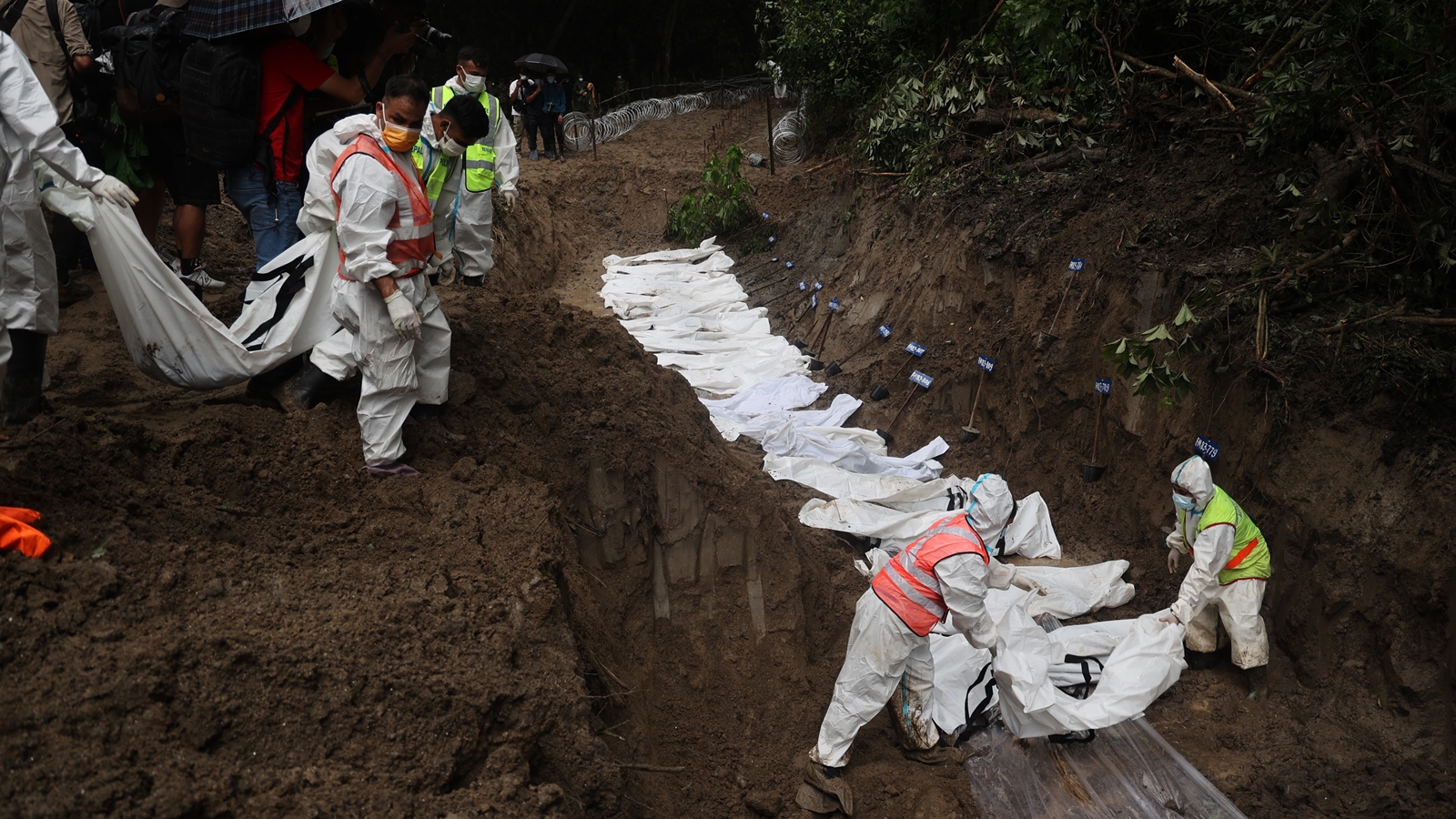
Local hospitals and temporary morgues are overwhelmed. Because many bodies recovered from deep silt layers face rapid decomposition, forensic teams are forced to collect DNA samples and execute temporary burials to ensure families can eventually claim their loved ones. Air crews have flown thousands of sorties, lifting survivors out of isolated gorges while ground forces keep drilling through stubborn rock.
Operations continue around the clock across the mountain corridors, driven by the slim hope of finding additional pockets of survivors before time runs out completely.