The institutional machinery of higher education operates on a predictable rhythm of public relations control, crisis management playbooks, and carefully scripted statements designed to mitigate liability rather than foster accountability. When Cornell University President Michael Kotlikoff finally broke his silence regarding a horrific 2024 gang rape case involving members of the Chi Phi fraternity, the response exposed a structural rot that goes far beyond a single campus. It revealed an administrative reflex that prioritizes institutional self-preservation over the safety and basic dignity of its students.
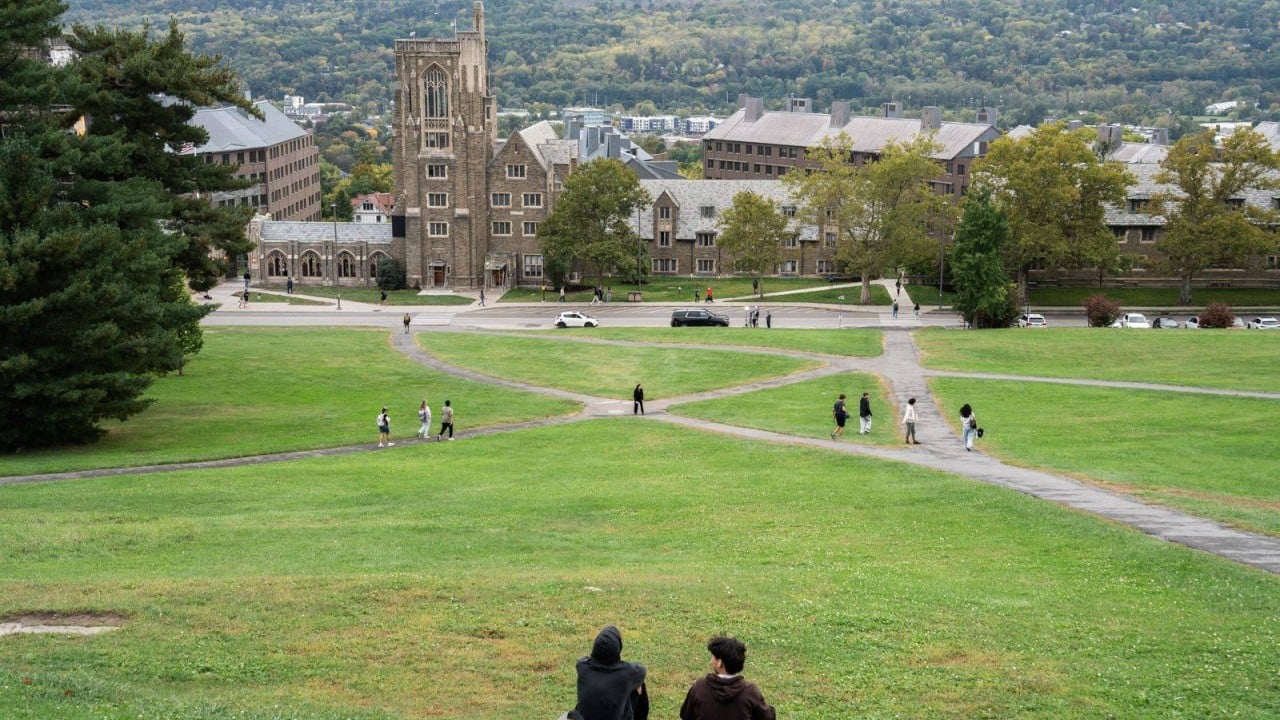
For months, the allegations—detailing how a student identified in court filings as Jane Doe was targeted and assaulted by multiple fraternity members—simmered beneath the surface of the Ithaca campus before exploding into national prominence. When the dam finally broke, the fallout was swift and merciless. Protests materialized on the quadrangles, faculty members organized votes of no confidence, and state officials stepped in to wrest control of an investigation that local law enforcement had initially fumbled. Yet, the core of the uproar is not merely that a crime occurred within the insular ecosystem of Greek life. The core of the crisis is that the university's leadership allegedly looked away when they should have intervened.
The Anatomy of Institutional Failure
Universities have evolved into corporate entities with multi-million-dollar endowments, powerful brands, and risk-averse legal teams. In this environment, scandal is treated as a public relations hazard to be managed, contained, or quietly swept aside. According to court documents and subsequent investigative scrutiny, the handling of Jane Doe's initial reports by campus structures fell into a pattern of administrative deflection. Local prosecutors initially declined charges after reviewing summaries supplied by campus police, an early indicator of how institutional insulation can warp the pursuit of justice.
When the victim's civil lawsuit pierced that administrative bubble, the university could no longer maintain its silence. President Kotlikoff’s public remarks—describing the situation as deeply disturbing and expressing sympathy—arrived against a backdrop of mounting institutional panic. But expressions of sorrow from an executive suite carry little weight when subsequent disclosures reveal that top leaders failed to follow up on direct warnings or internal red flags. Trust, once squandered through bureaucratic inertia, cannot be recovered via press release.
The dissonance between corporate messaging and the lived reality of students and faculty created an intolerable vacuum on campus. Faculty members who watched the administration stumble through the crisis recognized that the safety net protecting the student body was entirely compromised. This realization fueled the historic pushback from the faculty senate, transforming what began as an isolated legal battle into a referendum on executive competence and moral leadership.
The Greek Life Reckoning
At the center of the storm lies the entrenched culture of Greek organizations, long protected by powerful alumni networks, deep pockets, and institutional ambivalence. Fraternities like Chi Phi have operated for generations with minimal oversight, functioning as autonomous social fiefdoms where the rules governing the rest of the student body are treated as optional suggestions.
When universities treat Greek life as an essential revenue and alumni-engagement engine rather than an integrated part of the academic community, dangerous behavioral norms are allowed to fester. Drinking rituals, hazing, and structural misogyny create an environment where accountability evaporates. By the time Cornell leadership announced a sweeping suspension of fraternity parties and invited external investigative oversight, it felt less like proactive leadership and more like a desperate reaction to flashing emergency lights.
The appointment of external legal heavyweights to review the university's Title IX and safety protocols underscores just how deeply state and federal officials distrust internal administrative reviews. New York Governor Kathy Hochul's intervention, alongside the assignment of a special prosecutor, stripped Cornell of its ability to investigate itself. In high-stakes environments, self-policing is an institutional conflict of interest. When an administration is tasked with investigating a system that protects its own reputation, transparency is almost always the first casualty.
The Cost of Administrative Deflection
The human cost of this administrative failure is borne entirely by individuals like Jane Doe, who faced not only the trauma of assault but the secondary trauma of an institutional apparatus designed to question her credibility rather than support her recovery. Accounts detailing interactions with top leadership left victims feeling disbelieved and isolated, illustrating a profound empathy gap at the highest levels of the university.
When leaders respond to reports of sexual violence with defensive posturing or bureaucratic delays, they send a clear, devastating message to the entire campus community. They teach students that the institution views them as potential litigants rather than human beings entrusted to its care. Reversing that damage requires dismantling the reflexive instinct toward secrecy and replacing it with radical transparency, even when the truth threatens the brand.
The reckoning unfolding at Cornell serves as an ominous warning for higher education nationwide. The era of managing campus safety crises through public relations spin and delayed admissions of fault is coming to an end. Students, faculty, and external regulators are no longer willing to accept procedural window dressing in place of genuine accountability.
The path forward demands a complete structural overhaul of how universities handle reports of sexual misconduct, remove conflicts of interest from campus police units, and strip predatory Greek organizations of their institutional immunity. Until universities value human safety above institutional reputation, the next crisis is only a matter of time.
The Cornell Daily Sun: Campus reacts to presidential statements on sexual assault investigation
This video provides a direct look at the student and community reactions on the ground in Ithaca as the institutional crisis unfolded.