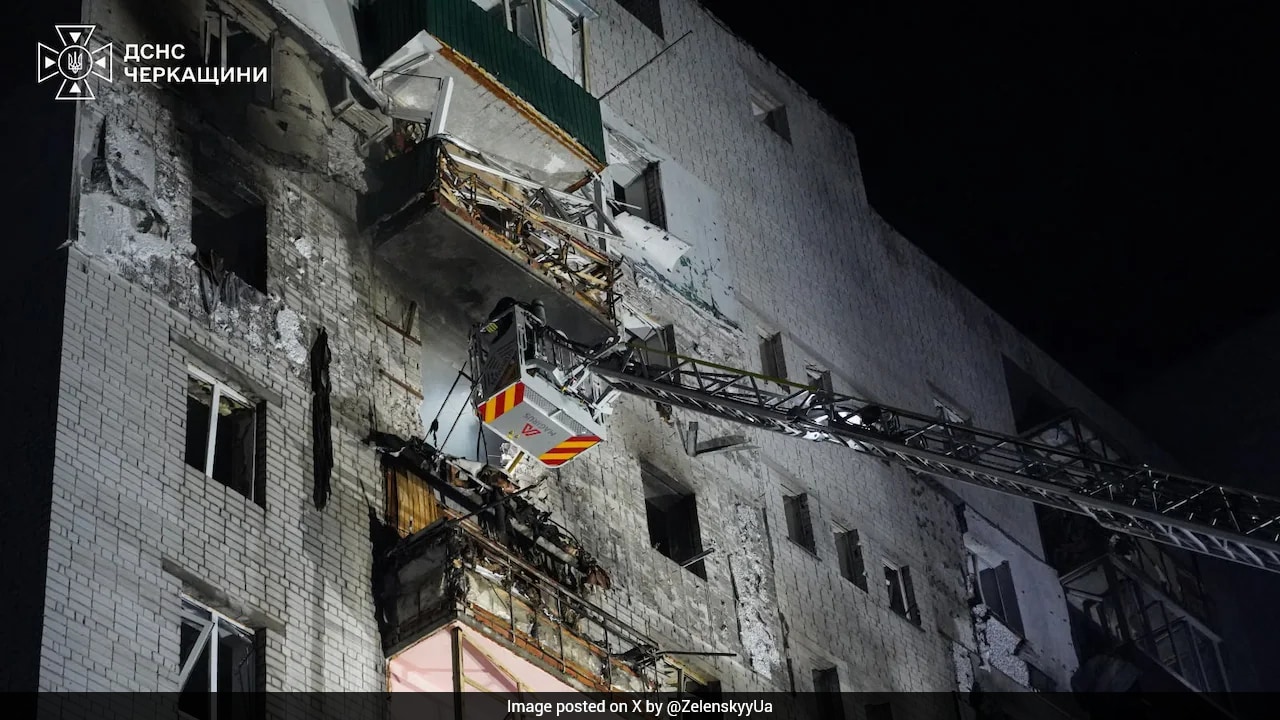
The air raid sirens sound too often to measure fear by them anymore. When a Russian drone hits a residential neighborhood, the immediate aftermath is a flash of light, shattering glass, and a silence that settles over the rubble. A mother and her nine-year-old son lost their lives in a targeted night strike that reduced an apartment building to dust. This is not collateral damage. It is a calculated pattern of attrition.
The Evolution of Long Range Loitering Munitions
Warfare changes when the weapon becomes cheap, mass-produced, and autonomous. The systems used in these nightly attacks are designed to exhaust air defense networks and terrorize civilian populations far from the front lines.
- Cost Disparity: Intercepting a low-cost loitering munition with a surface-to-air missile creates an unsustainable economic imbalance for defenders.
- Psychological Pressure: Constant nocturnal alerts degrade the immune systems, mental health, and operational readiness of urban populations.
- Infrastructure Targeting: Strikes frequently hit power grids, apartment complexes, and heating plants as winter approaches.
We have moved past the era where front lines were confined to trenches in the east. Every neighborhood in the country now operates under the shadow of aerial surveillance and sudden impact.
The Human Cost Behind Strategic Calculus
Statistics reduce human beings to numbers on a daily briefing sheet. A woman preparing dinner, a child asleep with a favorite toy nearby—these details vanish when analysts speak of tonnage, trajectories, and interception rates.
Air defense systems intercept a high percentage of incoming threats, but the exceptions carry a devastating price. When a single warhead bypasses defenses, the structural integrity of a multi-story residential building fails in seconds. Emergency responders dig through concrete and insulation through the dark hours, searching for signs of life where a family lived just moments before.
International humanitarian law designates the intentional targeting of civilians as a war crime. Yet, the legal definitions feel distant to rescue workers pulling victims from the ruins of a suburban kitchen.
The Response of Civil Society
Communities do not wait for international tribunals to organize aid. Neighbors mobilize within minutes of an impact, bringing heavy equipment, water, and medical supplies to the site of a blast. Makeshot shelters, underground community centers, and makeshift warning networks have become standard urban architecture.
Resilience in this context is not a romantic ideal. It is a grueling, exhausting routine of clearing debris, burying the dead, and rebuilding makeshift windows before the next sirens begin to wail.
The debris is cleared within days. The structural damage to the social fabric takes generations to mend.