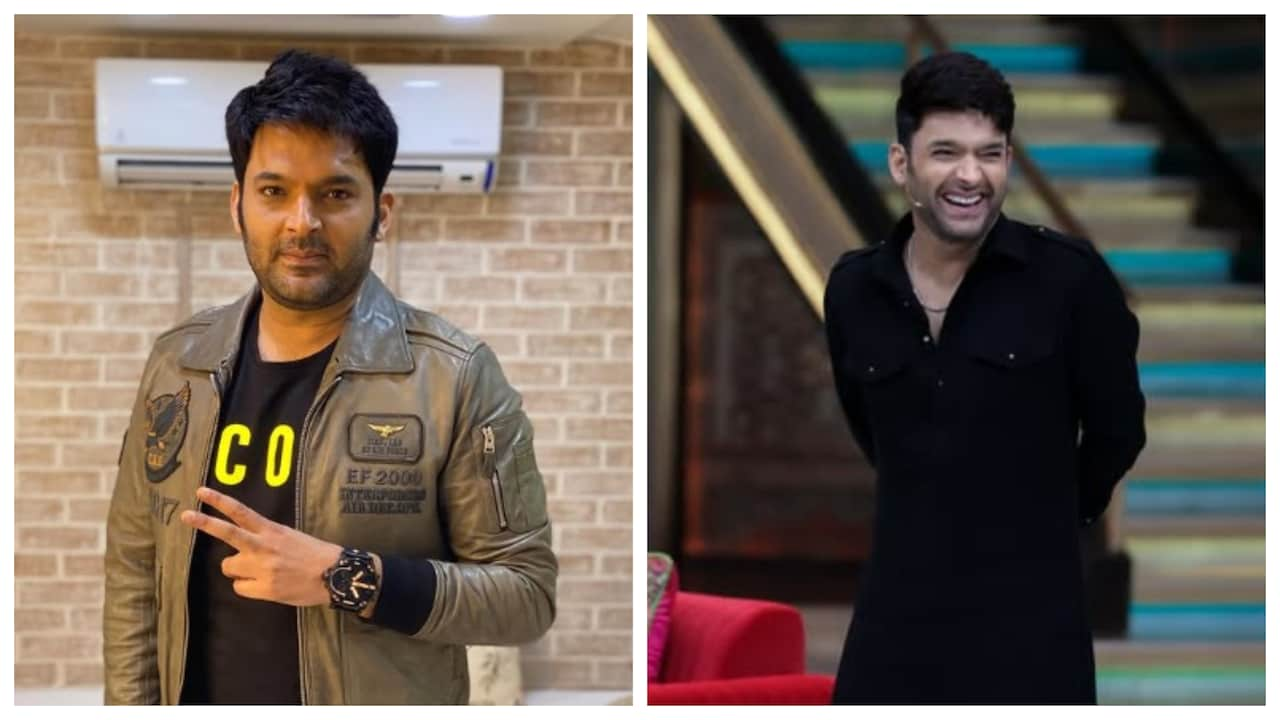
Two suspects have been arrested and charged in connection with last year's shooting at a Canadian cafe linked to Indian comedian Kapil Sharma, turning a shockingly brazen attack into a complex legal and cross-border test. Law enforcement announcements rarely tell the whole story on day one. Arrests mark a procedural milestone in a criminal investigation, not an automatic resolution of motive, command hierarchy, or long-term safety for high-profile diaspora businesses. When an entertainer's name attaches to a physical strike on commercial property in another country, public curiosity moves fast while court dockets move slowly.
I have spent decades covering crime beats, corporate security crises, and entertainment disputes that spill out of boardrooms and television studios onto city streets. A shooting at a cafe associated with Kapil Sharma sits right at the intersection of celebrity branding, local policing, and transnational pressures that many routine reports gloss over. When a competitor headline reduces an incident to "two arrested and charged," readers get a neat summary of police action. They do not get a clear look at why a neighborhood storefront becomes a target, how investigative evidence gets built across jurisdictions, or what risks remain for business owners trading on a famous name.
Why A Celebrity Cafe Becomes A Target
Celebrity-backed restaurants and cafes sell proximity. Fans walk through the door hoping to taste a piece of a familiar screen persona, and investors bank on built-in recognition to cut through crowded food scenes. That same visibility carries a hidden ledger of exposure.
A storefront is stationary. Unlike a touring comedian who moves between arenas behind layers of event security and advance teams, a brick-and-mortar cafe has predictable hours, street-facing glass, public sidewalks, and staff who cannot easily disappear behind stage curtains. Anyone looking to send a message or create headlines knows the exact address.
High-visibility hospitality ventures often inherit reputational and security burdens that standard neighborhood cafes never face, simply because the name on the sign carries weight far beyond the zip code.
In cases involving well-known entertainers, motives are often assumed before investigators confirm them. Rumors rush into the vacuum. People speculate about personal grudges, rival promoters, extortion demands, local turf disputes, or broader political grievances tied to diaspora communities. Police detectives cannot afford to chase internet theories. They have to trace physical ballistics, surveillance footage, phone records, financial trails, and witness accounts until the evidence supports specific charges against specific individuals.
Arresting two people does not automatically answer every question about who planned the shooting or why it happened. In multi-actor criminal cases, street-level execution and upstream direction are often separated by layers of burner phones, intermediaries, or local recruits. Sometimes two suspects are the primary actors on the ground. Other times, arrests represent an early or mid-stage breakthrough while prosecutors continue building cases against co-conspirators or evaluating whether charges will be upgraded, severed, or negotiated.
How Cross-Border Investigations Actually Unfold
When a crime occurs in Canada and involves a figure widely known in India and across the global South Asian diaspora, jurisdictions collide in ways that confuse casual observers. Canadian police agencies hold primary authority over crimes committed on Canadian soil, operating under Canadian criminal procedure, disclosure rules, and evidentiary standards. Charges brought in a Canadian court must stand up to rigorous scrutiny under that legal system, regardless of how loudly social media speculates thousands of miles away.
At the same time, international ties complicate every step of the work. Witnesses may travel frequently between countries. Digital footprints may cross borders. Family members, business associates, or potential sources of background intelligence might live outside the country where the shots were fired. Even when local detectives lead the investigation day to day, gathering corroborating context across borders requires patience, formal channels, and strict adherence to privacy and evidentiary rules.
Evidence Versus Public Narrative
Public outrage runs on speed. Criminal trials run on admissibility.
A security camera clip circulating online might look damning at a glance, yet a defense attorney will examine lighting, camera angles, chain of custody, timestamp accuracy, and identification reliability. Similarly, an arrest press release tells the public what police believe they have probable cause to allege at that moment. It is not a conviction, and it does not spell out every piece of proof the Crown or prosecution intends to present at trial.
Consider a hypothetical example to see how easily public assumptions diverge from courtroom reality. Suppose investigators arrest two individuals months after a storefront shooting based on vehicle tracking and cell tower data. To the public, the case looks wrapped up. In court, however, prosecutors still have to prove intent, identity beyond a reasonable doubt, and each suspect's exact role—whether one drove, one fired, or both acted together—while navigating pre-trial motions that can take months or even years.
That gap between arrest and verdict is where impatient readers lose the thread. Understanding the mechanics of charging documents, bail hearings, disclosure, and trial timelines helps separate verified legal facts from noise.
The Overlooked Strain On Hospitality And Diaspora Commerce
Most coverage of an attack on a high-profile cafe focuses on the celebrity and the headline crime. Far less attention goes to the people working behind the counter or the local operators trying to keep a business alive after gunfire shatters the calm.
Cafes and restaurants run on razor-thin margins and daily foot traffic. A violent incident does more than frighten staff and customers. It spikes insurance anxieties, forces sudden security spending, disrupts supplier and staffing routines, and leaves owners weighing whether reopening draws supportive regulars or unwanted scrutiny.
Brand Equity Can Cut Both Ways
A famous name on a sign is an asset on opening day. After a violent incident, that same name can turn a local business into a symbol in disputes the operators never asked to join.
Diaspora business corridors across North America play a vital role in community life, cultural celebration, and local employment. When violence touches a visible venue in one of those hubs, the ripple effect hits neighboring shopkeepers, delivery workers, and patrons who simply wanted coffee and a meal. Treating the event purely as a celebrity sidebar misses the real economic and psychological toll on ordinary people working in hospitality.
What Smart Operators And Observers Should Watch Next
There is no single security fix that makes a public cafe impervious to a determined attacker. Hardening a storefront like a bunker ruins the welcoming atmosphere a hospitality business needs to survive, and over-relying on private guards can create new liabilities if personnel are untrained or poorly regulated.
Still, serious operators and clear-eyed observers can focus on practical realities rather than sensationalism.
- Track official court filings over rumor: Pay attention to verified charge descriptions, court dates, and official statements from police and prosecutors rather than unverified social media posts claiming inside knowledge.
- Audit physical basics first: Practical measures—clear exterior lighting, reliable high-definition cameras with secure off-site backup, well-lit entryways, clear staff emergency protocols, and coordinated relationships with local police—do more consistent good than theatrical security theater.
- Separate brand association from operational control: Understand how licensing, franchise, partnership, or celebrity endorsement arrangements actually work in hospitality before assuming a famous name equals day-to-day management or direct involvement.
- Watch for downstream legal ripples: A criminal prosecution is only one track; civil liability questions, insurance coverage reviews, commercial lease terms, and licensing issues often unfold quietly in the background.
Arrests in the shooting at Kapil Sharma's Canadian cafe move the legal record forward, yet the deeper story lies in how justice holds up under scrutiny and how everyday businesses endure when celebrity spotlights turn harsh.