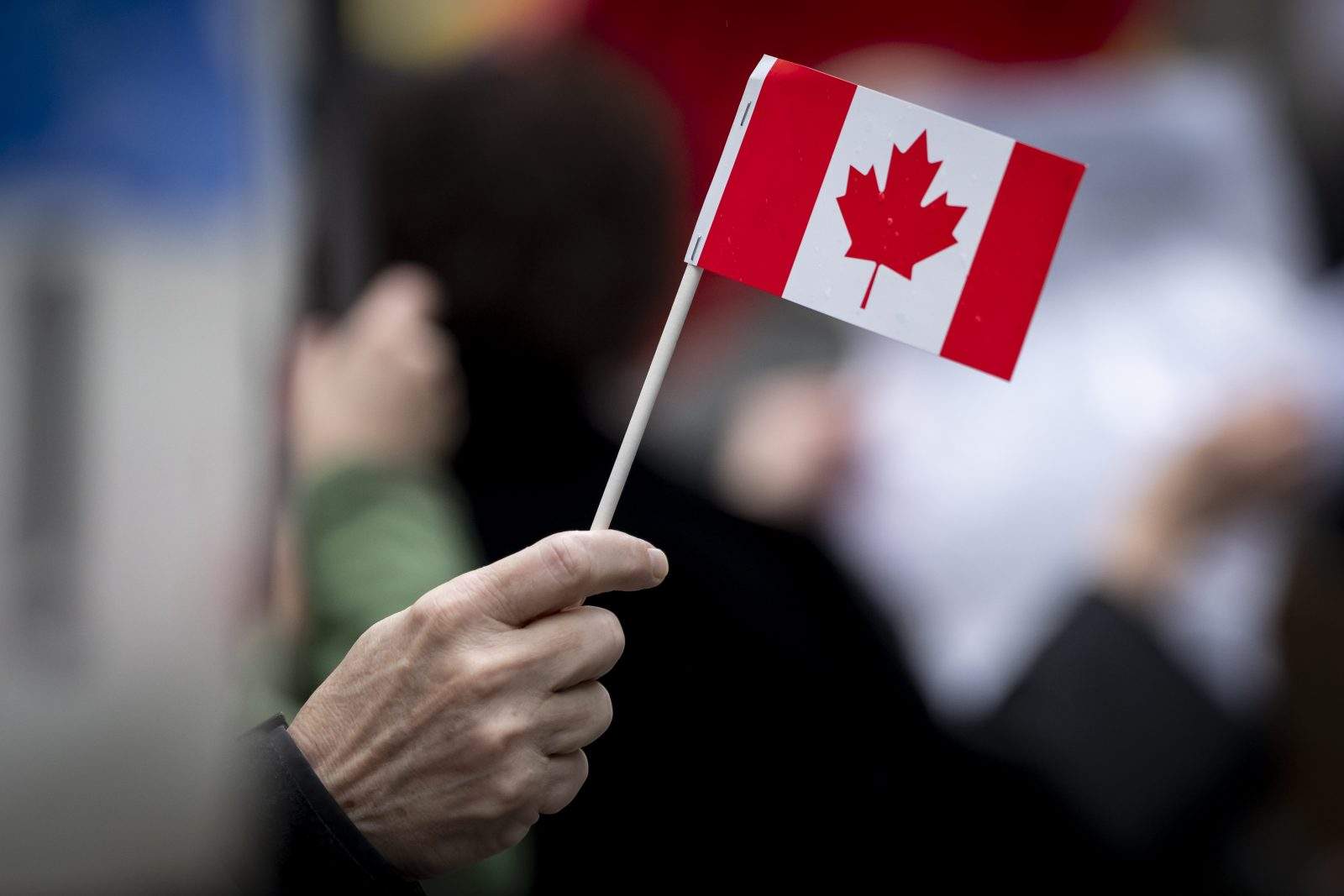
In late October 2026, Global Affairs Canada ordered its diplomats across the United States to freeze contact with candidates in the U.S. midterm elections and stay out of public photographs or event materials with them until voting ended on November 3.
It looks like standard bureaucratic caution on paper. In reality, the directive was a defensive shield thrown up amid a bitter tariff fight and direct accusations from Washington that Canadian officials were trying to sway American voters. You might also find this related story insightful: When a Simple Hug Became a Battlefield of Modern Intentions.
For decades, foreign service officers in Washington and regional consulates treated routine contact with members of Congress, governors, and state lawmakers as basic trade maintenance. Crossing the border is an economic lifeline for both countries, so consulate staff regularly show up at chamber dinners, cross-border supply chain panels, and port openings. When an election cycle heats up, incumbents and challengers often appear at the exact same rooms. A photo handshake that meant nothing two years earlier suddenly becomes ammunition in a domestic campaign or a diplomatic cable.
The Memo Behind the Curtain
The internal instruction went out midday on Tuesday, October 20, 2026, from Glen Linder, assistant deputy minister for the Americas at Global Affairs Canada. Its message was blunt: diplomats were not to meet with or attend events involving U.S. midterm candidates. Even if a foreign service officer ended up in the same physical room as a candidate or elected official, the guidance instructed them to avoid being photographed or having their name or title listed in public communications. As discussed in latest articles by TIME, the effects are worth noting.
Meetings with non-candidate elected officials were not completely shut down, provided they were necessary and cleared ahead of time with senior officials. Staff were also told to watch their social media accounts closely and avoid anything that looked like taking sides.
Global Affairs Canada framed the rules around non-partisanship and a risk-averse posture during a sensitive window, comparing the approach to how Canadian public servants limit contact with elected officials during domestic election periods. That explanation has a kernel of truth—career civil servants anywhere are supposed to stay out of partisan mudslinging. Yet timing tells a sharper story. A memo sent in the middle of a heated trade dispute and active meddling allegations is rarely just a routine reminder about office ethics.
Tariff Pressure Meets Meddling Accusations
To understand why Ottawa tightened the leash, look at the pressure coming from south of the border in October 2026. The Trump administration and Canada were locked in an escalating tariff war, with counter-tariffs and economic aid packages dominating headlines on both sides of the frontier. Meanwhile, U.S. officials began accusing Canadian politicians of trying to influence the midterm elections.
Trump trade adviser Peter Navarro warned that Canada would pay an even steeper price if it interfered in the midterms. U.S. Ambassador to Canada Pete Hoekstra went further, saying American officials were closely watching Canadian politicians, telling them to keep their nose out of U.S. politics, and threatening a U.S. response if actions crossed into election interference.
On Wednesday, October 21, the U.S. Embassy in Canada published a list of quotes and incidents it argued pointed to plans to influence American politics, closing with the line that Americans decide America's elections. The embassy release singled out Industry Minister Mélanie Joly five times—including remarks from earlier periods going back to her time as foreign minister—highlighting her comments on counter-tariffs and pressuring businesses or politically sensitive states. It also pointed to Canada's consul general in Boston, Bernadette Jordan, appearing at a Canada-U.S. trade event alongside Democratic candidates the week before.
| Actor | Role or Institution | Core Action or Claim | Counterargument or Context |
|---|---|---|---|
| Global Affairs Canada | Canadian foreign ministry | Ordered diplomats not to meet or appear with U.S. midterm candidates through November 3. | Described election reminders as standard non-partisan caution amid heightened sensitivity. |
| U.S. Embassy in Canada | Diplomatic mission in Ottawa | Released a list of quotes and events alleging plans to influence U.S. politics. | Canadian officials said quotes were stripped of context from tariff and trade responses. |
| Mark Carney | Prime Minister of Canada | Rejected meddling claims and announced $9 billion in aid tied to U.S. tariff actions. | Argued Washington started the trade actions and Ottawa was defending Canadian workers. |
| Mélanie Joly | Canadian Industry Minister | Cited five times in the U.S. embassy list over counter-tariff remarks. | Said meeting Democrats and Republicans is normal diplomacy aimed at attracting investment. |
| Doug Ford | Premier of Ontario | Named in the U.S. embassy release amid tariff and border tensions. | Stated he had no interest in interfering in U.S. elections and wanted stability. |
The Double Standard in Cross-Border Politics
Here is the part that gets lost when headlines treat "foreign interference" as a neat legal box: trade policy and domestic politics are tangled together along the 49th parallel. When one country slaps tariffs on steel, autos, dairy, or industrial goods, the other country almost always looks at where those supply chains sit and which districts or states feel the pinch. That is not a secret trick invented by Ottawa; it is standard trade retaliation in modern economics.
In a hypothetical example, imagine a Canadian trade official meets with a congressman from a border state to explain how a new tariff will hurt a local manufacturer that buys Canadian components. From the diplomat's seat, that is commercial advocacy—defending jobs and supply chains. From a rival political campaign's seat, a photo with a foreign official can be spun as an outside power weighing in on a local race. Once an administration decides to frame trade pushback as electoral meddling, routine outreach becomes a liability.
Canadian leaders pushed back hard against that framing. Prime Minister Mark Carney, flanked by Joly as he unveiled a $9 billion aid package for tariff-hit sectors, stressed that Washington initiated the trade actions and that Ottawa's moves were meant to protect Canadian workers, families, and the economy. Joly argued that talking with both Democrats and Republicans is simply what diplomats and ministers do, particularly when pitching American firms on investing in Canada, while insisting Canada neither meddles in U.S. elections nor accepts interference at home. Ontario Premier Doug Ford similarly dismissed any desire to meddle in American voting, emphasizing economic stability and his own past time living in the United States.
Why a No-Contact Rule Hurts Quiet Diplomacy
Order a consulate to go dark around candidates and you protect the headline. You also pay a quiet price.
Consuls general and commercial officers in cities like Boston, Detroit, Chicago, Seattle, and New York do not spend their days in partisan war rooms. They talk to mayors, port authorities, governors, state legislators, and federal lawmakers—many of whom happen to be running for office during a midterm cycle. When a directive bans meetings with candidates and tells staff to dodge cameras if they share a room, everyday relationship-building grinds to a halt right when economic friction is highest.
Worse still, a strict freeze does not stop elected politicians from making public statements about tariffs or border rules, nor does it stop cabinet ministers like Joly or premiers like Ford from speaking to the press back home. If the real worry in Washington was public rhetoric from Canadian elected officials rather than backroom lobbying by career diplomats, keeping embassy staff off the guest list mostly deprives Ottawa of ears on the ground.
Still, there is a gray area here that Ottawa cannot wave away. Even without breaking any law or funneling a dime into a campaign, a foreign government that publicly talks about hitting specific states with counter-tariffs knows voters in those states hear the news. Calling that "just trade" is fair when defending economic self-interest; pretending it has zero political echo during an election campaign is wishful thinking.
What This Signals for North American Statecraft
The directive to keep Canadian diplomats away from U.S. midterm candidates is a symptom of a harder, more suspicious era in bilateral relations. Deep economic integration used to cushion political flare-ups between Ottawa and Washington. Today, trade disputes and election narratives collide in real time, turning ordinary diplomatic contact into a perceived provocation.
For anyone tracking policy, supply chains, or cross-border business, the takeaway is straightforward: watch how Ottawa routes its message when formal diplomatic channels are told to keep their heads down. When career diplomats cannot meet candidates or appear in campaign-adjacent rooms, influence shifts toward economic data, quiet industry channels, and careful public discipline—because one misplaced photo can turn a trade argument into a sovereignty fight.
Ottawa tells diplomats to avoid U.S. midterm candidates provides a brief broadcast summary of the directive and the surrounding tensions over U.S. election interference allegations.