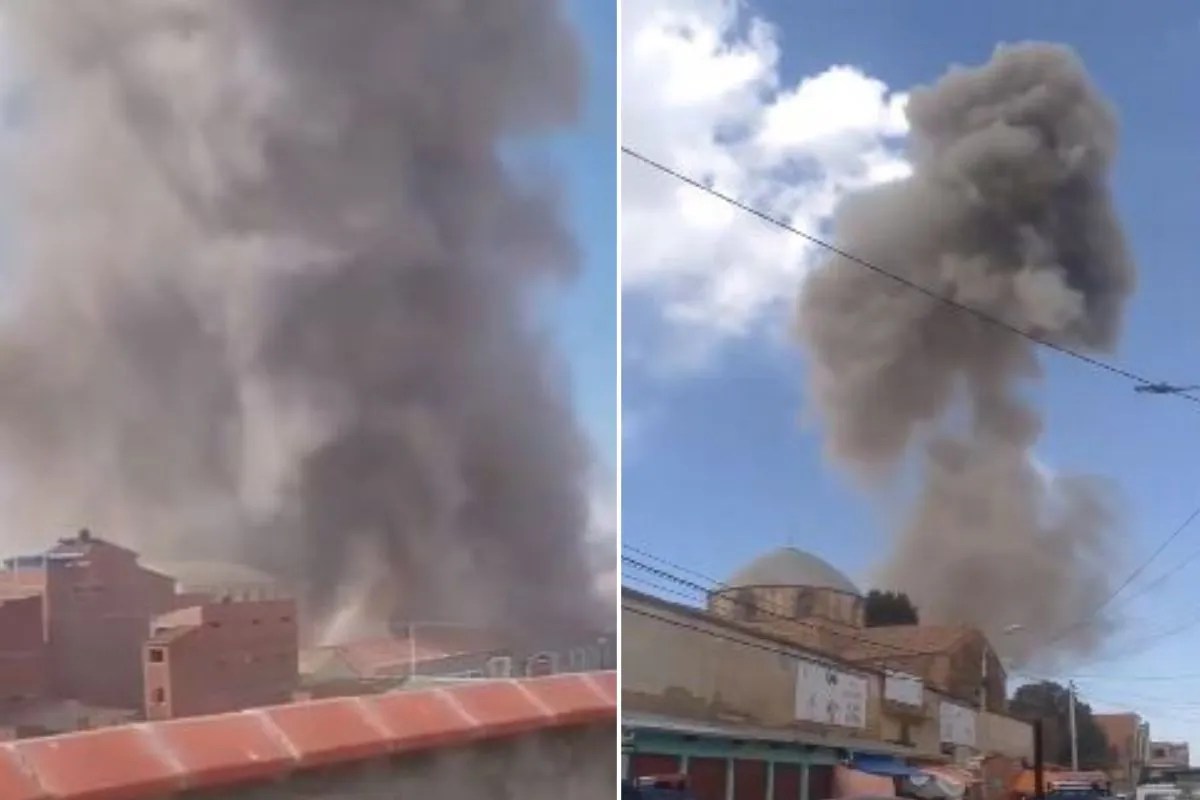
Thick, toxic haze chokes the canopy of Central Kalimantan, masking an ecological emergency that goes far beyond routine headlines about displaced wildlife. When conservation officers scale charred trees at midnight to pull a mother orangutan and her infant from the smoke, the operation makes for a gripping dispatch. Yet this constant firefighting treats only the symptom while the systemic architecture of destruction remains entirely untouched.
Indonesia faces another punishing season of forest and land fires. Peatlands rich in carbon are deliberately drained, dried, and set ablaze to clear ground for agriculture, triggering a chain reaction that forces critically endangered species out of their native ranges. Animals like Raya and her one-year-old daughter Rayu, plucked from the upper branches of smoke-shrouded timber, represent merely the statistical fraction of a population cornered by corporate ambition and regulatory inertia.
The Anatomy of a Man-Made Smoke Chamber
Wildfires in Southeast Asia are rarely natural phenomena. Unlike the dry-lightning systems of the American West or the dry-eucalyptus pyres of Australia, the burning zones of Borneo and Sumatra are predominantly anthropogenic. Corporations and smallholders use fire as a cheap tool for land clearance, exploiting porous legal frameworks and underfunded enforcement agencies.
When these fires meet drained peat domes, the disaster escalates from local agricultural burning to a subterranean furnace. Peat is compressed organic matter accumulated over millennia. Once ignited underground, it smolders indefinitely, releasing massive quantities of carbon dioxide and dense particulate matter that defies standard firefighting methods.
The resulting smog blankets entire regions, drifting across national borders to choke populations in Malaysia, Singapore, and the Philippines. Within this airborne poison, arboreal mammals face immediate physiological collapse. Respiratory tracts designed for clean tropical air absorb heavy concentrations of sulfur dioxide and carbon monoxide.
Veterinary teams operating in Ketapang and Central Kalimantan report a sharp rise in individuals found wandering into community plantations or clinging weakly to isolated trees. These animals are not migrating voluntarily. They are fleeing an active war zone where their homes are reduced to ash in hours.
Beyond the Rescue Narrative
Media coverage heavily favors the emotional resonance of a successful animal extraction. A team slips through the dark, locates a target via tip-offs from local villagers, administers a sedative dart, and transports the fragile cargo to a transit clinic.
This imagery creates an illusion of active remediation. Viewers see dedicated professionals saving individual lives, which provides a comforting narrative arc.
However, field biologists point out a stark biological reality. Evacuation is a triage mechanism, not a conservation strategy.
When an adult male like Sampurna is pulled from a plantation in Laman Satong suffering from acute smoke inhalation, or when a mother and baby are hauled out of a burning peat forest, they are entering an overcrowded rehabilitation pipeline. Natural habitats are shrinking so rapidly that finding safe, unoccupied release sites for healthy adults becomes nearly impossible. Translocating displaced wildlife into existing territories often triggers territorial conflicts with resident animals, leading to injury or starvation.
The focus on high-profile rescues risks turning wildlife protection into a band-aid industry. Every hour spent pulling a single family from a burning tree is an hour where the underlying drivers of the fire go unpunished.
The Economic Engine Driving the Flame
To understand why Borneo keeps burning, one must follow the commodity supply chains. Palm oil and pulpwood paper concessions dominate land-use zoning across the provinces. Even when concessions are legally barred from using fire, enforcement on the ground remains patchy.
Local farmers, often squeezed by economic precarity, are sometimes contracted or incentivized to clear peripheral zones using slash-and-burn methods. When fires cross boundaries into protected or semi-protected secondary forests, accountability diffuses rapidly among corporate parent companies, shell subcontractors, and local operators.
Financial penalties levied against offending plantation companies have historically proven too small to alter corporate behavior. For a major agribusiness conglomerate, a minor regulatory fine functions merely as an operational cost of doing business compared to the heavy expense of mechanical land clearing.
Furthermore, thousands of hectares of potential orangutan habitat lie outside formal national parks in areas designated for other uses. These unprotected buffer zones act as the primary shock absorbers for agricultural expansion. As long as these frontier lands remain legally vulnerable to conversion, every dry season will trigger the same emergency sequence.
The Limits of Reactive Diplomacy
Regional diplomacy surrounding the haze crisis follows a predictable, cyclical script. Smoke crosses international borders, neighboring capitals issue diplomatic notes expressing concern, and Indonesian authorities pledge tougher crackdowns on illegal burning.
Once the monsoon rains finally arrive and extinguish the smoldering peat, political attention shifts elsewhere. The structural reforms required to permanently alter land management—such as comprehensive peatland rewetting mandates, strict supply-chain transparency, and transparent land-titling registries—stall in bureaucratic committees.
Conservation initiatives led by local foundations struggle against massive economic momentum. While groups like the Indonesian Nature Rehabilitation Initiative Foundation work tirelessly to monitor vulnerable populations and establish community-based fire response units, they are structurally outgunned by the financial scale of the industries transforming the landscape.
Shifting the Burden of Proof
Protecting the Bornean orangutan requires moving past the humanitarian theater of emergency extractions. Conservation must shift upstream, targeting the corporate financing and legal loopholes that make burning land economically viable in the first place.
If consumer markets abroad refuse to purchase commodities tied to deforestation and peat drainage, the financial incentive for fire evaporates. Until supply-chain transparency is enforced with criminal liability for corporate executives who profit from illegal clearing, the midnight rescues in the haze will continue.
Another dry season will return next year. The smoke will roll across the straits, conservationists will load their tranquilizer rifles, and another generation of displaced apes will climb into the only trees left standing, waiting for an intervention that arrives too late for the forest itself.