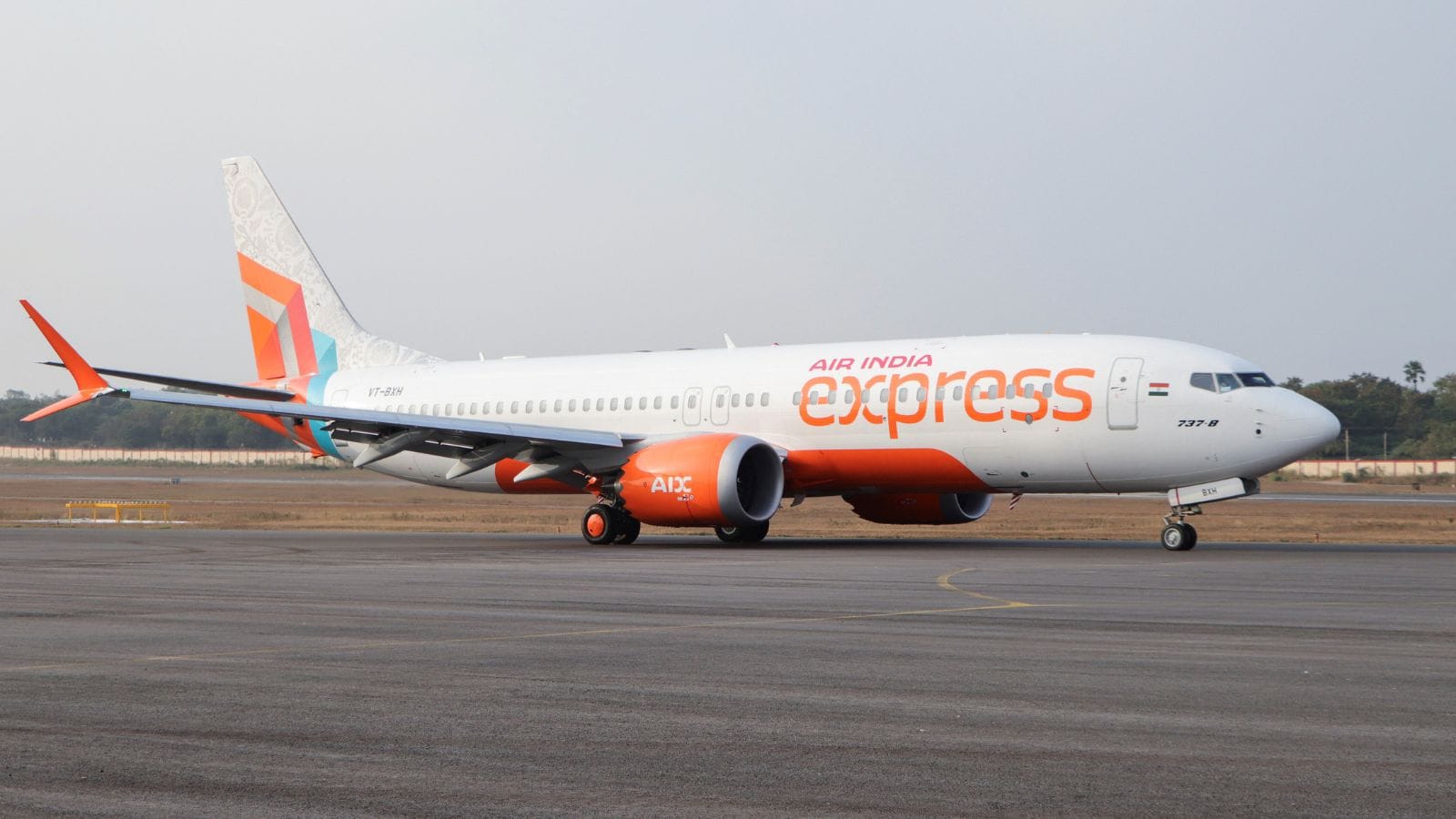
An Air India Express Boeing 737 operating flight IX 415 from Cochin to Abu Dhabi was forced to turn back mid-flight after a rapidly depleting oil supply in Engine 1 triggered a high-altitude emergency, culminating in a single-engine touchdown back at its origin. Cruising at 36,000 feet roughly 50 minutes out from the coast of Kerala, the flight deck noticed the first warning signs: oil quantity numbers dropping down the digital scale. What followed was a masterclass in cockpit resource management, yet the incident exposes a growing pressure cooker environment within the Indian commercial carrier space.
The crew utilized a FORDEC structured decision-making framework as the fluid parameters deteriorated. Abandoning the international sector to Abu Dhabi, the commander initiated a reversal of course, coordinating over high frequency with Mumbai Radio. Forty-five minutes into the return leg, the situation crossed a critical threshold. Engine 1 oil pressure plummeted straight into the red zone on the flight deck gauges. Sticking to the Non-Normal Checklist, the pilots executed a mid-air engine shutdown.
The Physics and Pressure of Single-Engine Diversions
Shutting down a turbine engine at FL360 is not a casual exercise. Modern turbofans are marvels of mechanical endurance, but when lubrication fails, heat and friction dictate a rapid shutdown to prevent catastrophic structural failure or fire. With one power plant dead, the Boeing 737 instantly lost half its thrust capability while trapped at a high altitude where air density is thin.
Worse still, the aircraft was heavy with fuel intended for an international haul across the Arabian Sea. Landing an overweight twin-jet on a single engine demands precise energy management. The workload in the cockpit spikes exponentially. Every control input requires compensating for asymmetric thrust. The flight crew executed the landing smoothly at Cochin International Airport, and the passengers disembarked largely oblivious to how close the flight came to disaster.
Yet, treating this event as an isolated anomaly misses the broader systemic narrative. Technical diversions have crept into the daily operational routine of Indian carriers, transforming from rare anomalies into a near-weekly occurrence.
Regulatory Blind Spots and the Maintenance Crunch
The timing of this incident places a harsh spotlight on national aviation oversight. Coming on the heels of the Aircraft Accident Investigation Bureau releasing preliminary findings on a separate Air India incident involving hydraulic investigations, the pressure on regulatory bodies is mounting. Union Civil Aviation Minister Ram Mohan Naidu recently pledged to scale up psychoactive substance testing for flight crews, but hardware reliability and maintenance oversight remain the urgent variables.
The Directorate General of Civil Aviation faces an upcoming international audit cycle. The US Federal Aviation Administration evaluates foreign safety oversight via the International Aviation Safety Assessment program roughly every five years. With India's next major assessment slated for late 2021, regulatory pressure is high.
Maintenance turnaround times are severely compressed. Rapid fleet expansions across major carriers mean that engineering teams are servicing more aircraft under tighter schedules. Supply chain bottlenecks for replacement parts and engine components have left airlines stretching maintenance intervals to the legal limit. When component wear meets a high-utilization business model, safety margins shrink.
The Human Factor in the Flight Deck
Behind every successful single-engine landing is a training regimen that forces pilots to practice failure scenarios repeatedly in simulators. The crew of flight IX 415 succeeded because they respected the checklist. They did not rush the shutdown until the data forced their hand, and they managed the aircraft weight penalty without yielding to panic.
However, relying on elite pilot competence to bail out systemic mechanical failures is a dangerous gamble. Passenger volume is surging, airport congestion is peaking, and engineering rosters are stretched thin. An engine oil quantity dropping to zero mid-ocean or over remote terrain leaves zero room for error.
The aviation sector cannot rely on luck, nor can it treat these high-altitude engine shutdowns as routine paperwork. Every drop of oil lost at 36,000 feet is a warning sign written in the sky.