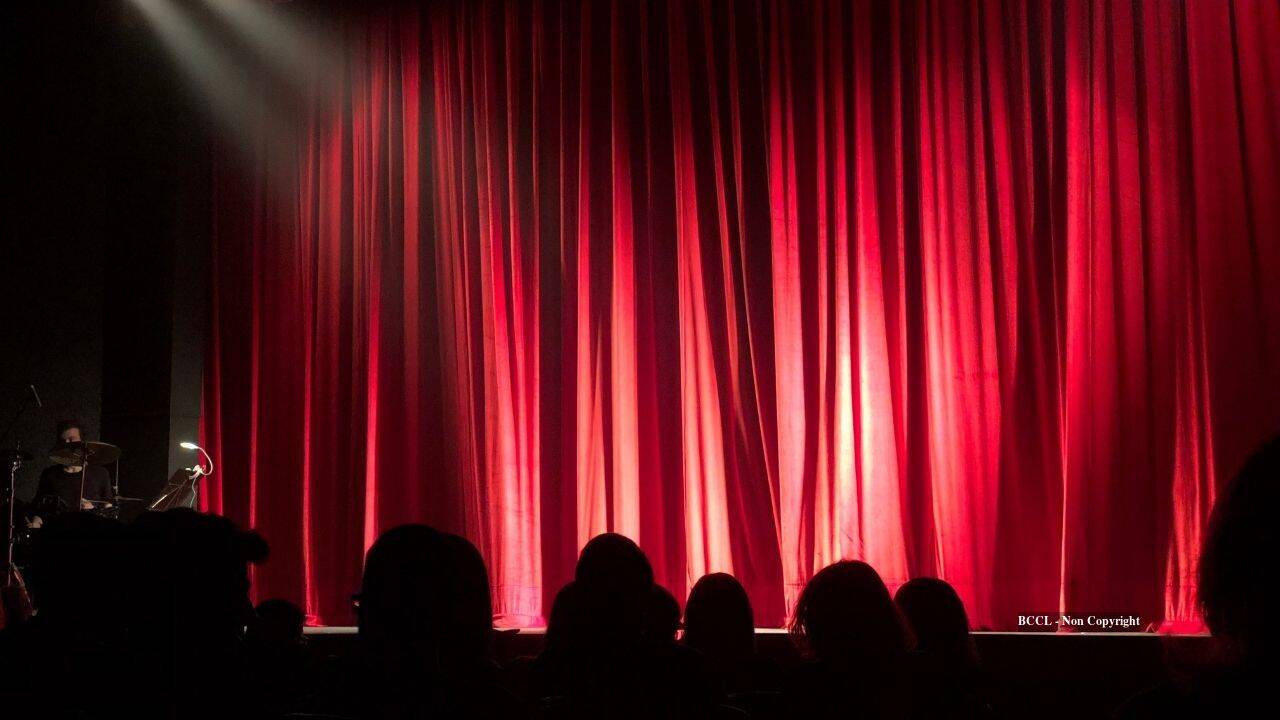
The historic Vision Theatre in Leimert Park has officially reopened its doors, bringing an end to an agonizing 15-year, $40 million municipal restoration saga. Originally opened in 1932 as the Leimert Theatre, the Spanish and Art Deco-style landmark in South Los Angeles now boasts 729 redesigned seats, a vastly expanded stage, a modern fly loft, and an orchestra pit.
Yet beneath the ribbon-cuttings and optimistic speeches from city officials lies a more complicated urban reality. Public infrastructure projects of this scale rarely stretch across a decade and a half without exposing deep systemic friction.
The Anatomy of a Municipal Delay
Fifteen years is an eternity in urban development. When the City of Los Angeles first doubled down on the property after acquiring it in 1999, the timeline looked entirely different.
Bureaucracy moves slowly. Construction inflation moves fast.
As contractors peeled back the layers of the 1930s structure, they encountered structural degradation, seismic code shifts, and water damage that turned routine phase updates into expensive structural overhauls. Funding streams arrived in staggered municipal tranches rather than a single lump sum. Stop-and-go financing kills project efficiency. Every time funding dried up, crews had to demobilize, secure the site, and renegotiate contracts years later when the next budget cycle cleared.
Pandemic-era supply chain bottlenecks and labor shortages added the final grueling chapters to a project that was already years behind its original projections.
Architecture Meets Modern Theater Standards
Restoring a heritage building means performing open-heart surgery on history while keeping the patient alive.
The building's original Spanish Colonial Revival and Art Deco ornamentation required painstaking preservation. Artisans spent months repairing decorative plasterwork, historic tile, and intricate ironwork. At the same time, a modern performing arts venue demands heavy structural loading capacities, sophisticated acoustics, and integrated digital rigging.
The engineering compromise resulted in a complete configuration overhaul. Crews excavated space beneath the seating to install a new lounge area, built a state-of-the-art fly loft with integrated administrative offices, and dropped in lower-level dressing rooms and green rooms that meet contemporary rider requirements for touring acts. Sightlines were flattened and widened, trading raw historical authenticity for patron comfort and technological viability.
Cultural Equity in Leimert Park
Leimert Park is widely recognized as the cultural heartbeat of Black Los Angeles. For decades, the neighborhood has nurtured jazz legends, visual artists, and grassroots activists.
Investment has historically bypassed neighborhoods like South L.A. in favor of wealthier commercial corridors on the Westside or downtown. Pouring $40 million into Leimert Park sends an unmistakable signal about civic priorities. Public funds can, and should, anchor cultural equity in historically underserved zip codes.
The Department of Cultural Affairs partnered with the WACO Theater Center to manage programming, aiming to bridge community-rooted arts with high-profile productions. Theater executives anticipate that a packed calendar of film screenings, dance performances, and musical residencies will drive foot traffic directly into neighboring independent bookstores, galleries, and restaurants.
Economic revitalization rarely happens in a vacuum. A dark building generates zero revenue for the surrounding block. A fully lit venue pulling hundreds of patrons into the commercial strip on a Friday night alters the economic velocity of the immediate village.
The scaffolding is down. The marquee shines again against the South Los Angeles sky. The true test begins now, measured not in architectural blueprints, but in the enduring consistency of the performances staged within these newly minted walls.