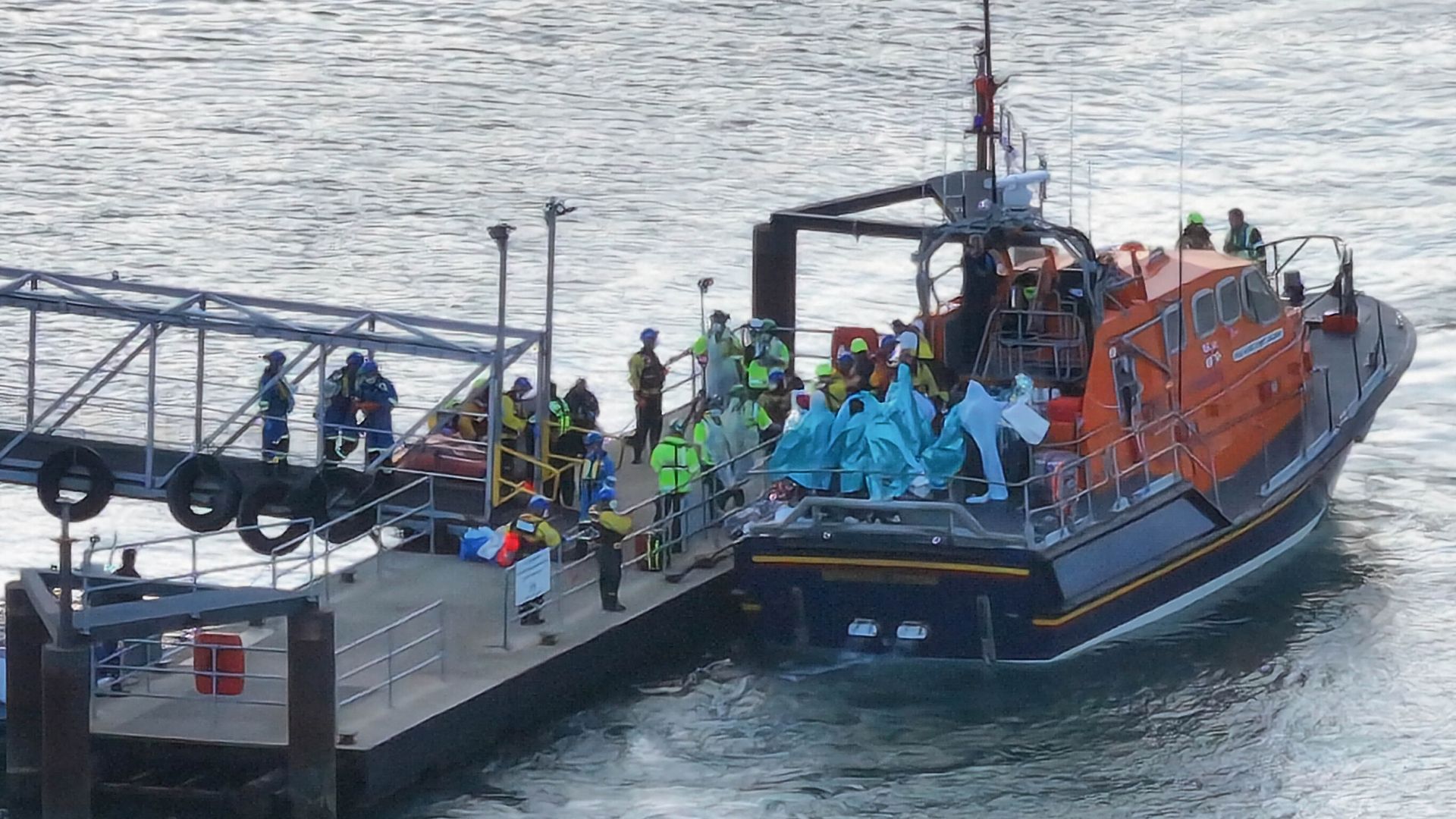
When the passenger ferry Virgo Transport 8 went down in the Java Sea, it wasn't just an accident. It was another grim reminder of a recurring crisis. At least six people died and over 120 remained missing after violent weather slammed the vessel on its route from Surabaya to Banjarmasin.
If you look at how Indonesia moves people across its massive archipelago of over 17,000 islands, you quickly realize why boats are a lifeline. Air travel is expensive. Roads don't connect islands separated by deep ocean trenches. Ferries are cheap, accessible, and run constantly. But that reliance comes with a heavy human cost.
The Reality of Maritime Transit in Southeast Asia
Let’s be honest about what happens when heavy weather meets lax operational oversight. On paper, safety regulations exist. In practice, enforcement is patchy, docks get crowded, and ships push off into treacherous seas because keeping schedules matters more than waiting out a storm.
Survivors from the Virgo Transport 8 shared terrifying details of the sinking. There was no official warning blaring across the ship's PA system. Passengers only knew something was wrong because someone yelled that the hull was listing dangerously to one side. People scrambled with zero time to prepare. Many lost everything they owned, escaping with just the clothes on their backs—if they were lucky enough to escape at data-defying odds.
Battling the Elements During Rescue Operations
The immediate aftermath turned into a grueling race against time. Indonesia's national search and rescue agency, Basarnas, deployed naval vessels, aircraft, and specialized divers. But nature wasn't cooperating. Rescue coordinators reported waves crashing up to 2.5 to 3 meters high.
When swells get that violent, even forty-meter rescue boats become massive liabilities. Divers can't see underwater, choppers struggle to hover steadily against fierce gusts, and nightfall forces search teams to suspend operations, leaving families waiting desperately on shore.
The Human Toll Behind the Statistics
Numbers on a screen lose their weight until you hear individual stories. Families crowded around command posts and whiteboards in Banjarmasin, tracking updates on rescued passengers. People like Jenah, who traveled just to find news about her brother traveling alone, sat in agonizing limbo because phone connections dropped the moment the ship took on water.
This disaster isn't an isolated anomaly. It fits into a long history of maritime tragedies across the region, from sudden ferry fires to overnight sinkings during monsoon seasons. Until structural changes happen at port authorities and accountability tightens across commercial shipping lines, ordinary people taking a routine sea journey will keep bearing the brunt of the danger.
At Least 129 Missing After Indonesian Passenger Ship Capsizes
This video provides direct news coverage and visual context regarding the rescue operations and the scale of the maritime tragedy in the Java Sea.