Don't write this off as just another routine government notification. When the Indian Ministry of Health and Family Welfare tells citizens to avoid non-essential travel to the Democratic Republic of the Congo (DRC), Uganda, and South Sudan, you need to look at what's happening beneath the surface.
The World Health Organization (WHO) just triggered its highest alarm. They declared the current outbreak a Public Health Emergency of International Concern (PHEIC). The Africa Centres for Disease Control and Prevention followed suit, calling it an emergency of continental security.
If you think this is just a repeat of previous African health crises, you're missing the terrifying detail that has global epidemiologists sweating. It isn't the familiar Zaire strain. It's the rare Bundibugyo ebolavirus strain.
Right now, there's absolutely no approved vaccine and no specific antiviral treatment for this specific variant.
The Hard Numbers Behind the Outbreak
We aren't talking about a few isolated cases in remote villages anymore. The virus has officially moved. The data coming out of Central and East Africa shows a rapidly expanding footprint.
- Total Cases: 968 cases (including both confirmed and suspected) have spiked across the region.
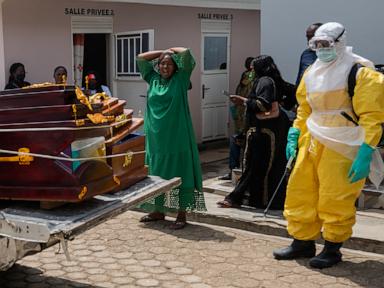
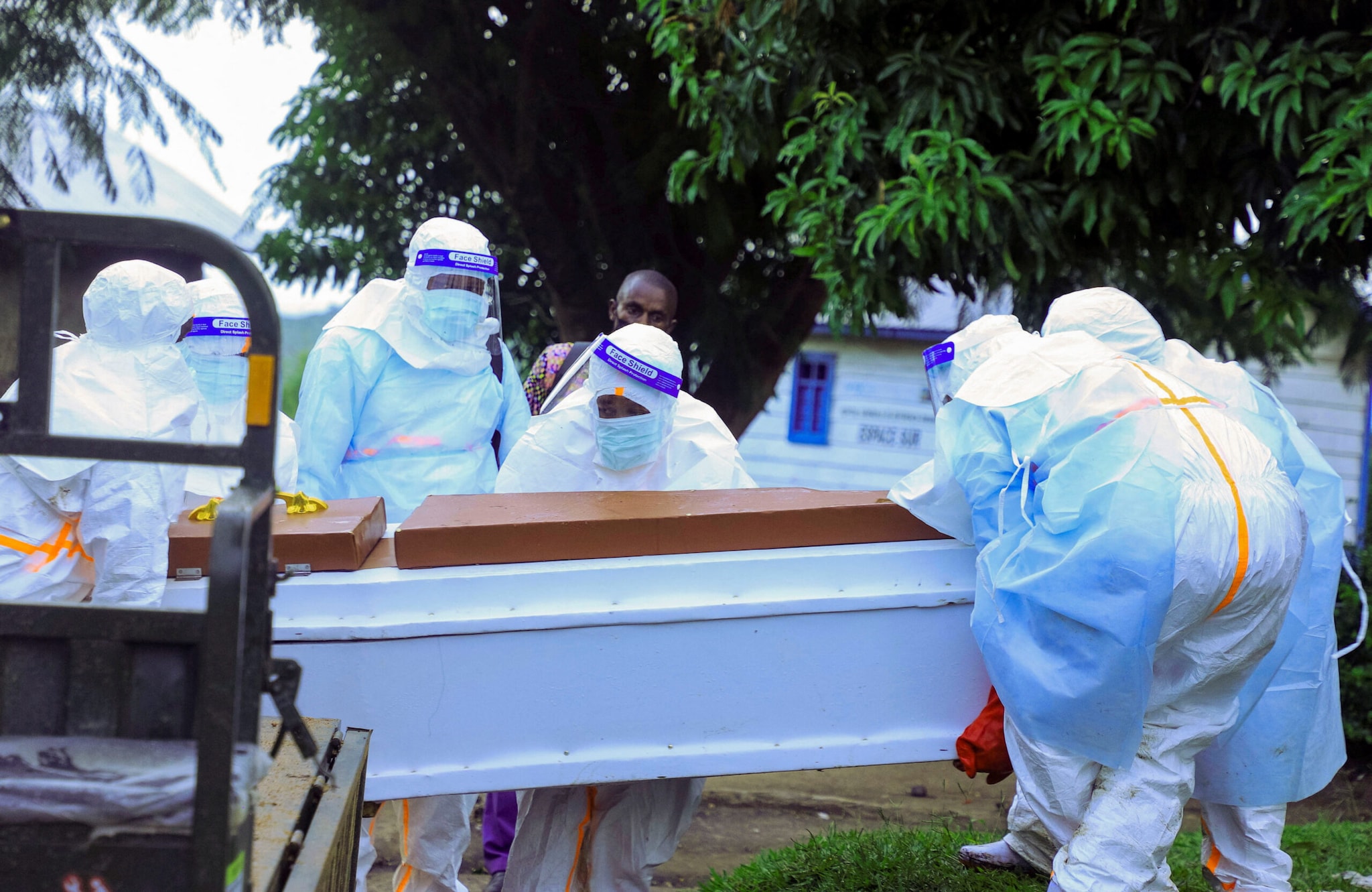
- The Death Toll: 216 lives have been claimed so far by this specific wave.
- Geographic Spread: While the DRC remains the epicenter with massive spikes across three provinces, the virus crossed borders into Uganda and has threatened South Sudan due to intense cross-border migration.
The standard Ebola outbreaks you read about in the past usually involved the Zaire strain. For that variant, medical science actually has effective weapons, like the Ervebo vaccine and monoclonal antibody treatments. The Bundibugyo strain completely strips away that medical safety net. You're basically looking at a virus with an average historical fatality rate hovering around 50%—and sometimes spiking up to 90% depending on local healthcare infrastructure—where doctors can only offer supportive care like intravenous fluids and oxygen.
What India is Doing at the Borders right now
The Indian government isn't waiting around for a case to land on its doorstep. The Directorate General of Health Services (DGHS) put major international airports, especially Delhi's Indira Gandhi International Airport, on high alert.
If you are flying into India from or transiting through Central Africa, your airport experience is going to look radically different. Here is exactly what the new protocol demands:
- In-Flight Mandates: Airlines operating routes linked to the affected regions must make mandatory health announcements before landing.
- Paperwork at Immigration: You have to fill out a detailed Self-Declaration Form (SDF) disclosing your exact travel history and any potential exposure.
- 24/7 Screening: Border control checkpoints have set up continuous thermal scanning and visual monitoring to flag anyone with an unexplained fever.
- Immediate Isolation: Dedicated isolation bays and rapid-response ambulances are sitting on the tarmac to whisk suspected patients straight to specialized hospital infectious disease units.
What if you bypass the airport checks and feel fine initially? The virus has an incubation period of up to 21 days. Because of this, the health ministry legally requires all inbound travelers from the target zones to self-monitor for three full weeks. If you develop a fever, extreme fatigue, muscle pain, or an unexplained headache during that window, you have to report it immediately.
Why the Threat Level Planners are Worried
India has zero confirmed cases of the Bundibugyo strain right now. So why the aggressive response?
Public health officials remember when the Indian Journal of Medical Research categorized Ebola as a Biosafety-risk group 4 pathogen. That is the highest possible danger rating, reserved for airborne threats or highly lethal contact viruses requiring maximum containment laboratories.
The economic and diplomatic fallout has already begun. The highly anticipated India-Africa Forum Summit, scheduled to kick off in New Delhi on May 28, was abruptly postponed. Pre-World Cup training camps for international football squads in the DRC have been completely scrapped.
The virus spreads through direct contact with the blood, secretions, organs, or other bodily fluids of infected people or animals—like fruit bats and monkeys. It also lingers on contaminated surfaces like bedding and clothing. When a virus that lethal operates in regions with fluid, unmonitored border crossings, containment becomes an absolute nightmare.
Your Practical Next Steps if You are Affected
If you have upcoming travel plans to Central or East Africa, or if you have family currently living there, stop hoping the situation will magically clear up next week.
Cancel or defer any travel to the DRC, Uganda, and South Sudan unless it's a matter of absolute life and death. Vacationing, casual business trips, or elective volunteer work simply aren't worth the gamble right now.
If you are an Indian national currently stuck in these countries, you need to shift your daily habits immediately. Avoid traditional burial ceremonies that involve direct contact with the deceased. Stay completely away from bushmeat and do not handle wild animals. Wash your hands constantly with soap and water or alcohol-based rubs. Most importantly, follow the strict daily directives issued by the local health ministries in your area.
Monitor your health daily. If you must return to India, declare your history honestly at the border. Hiding your travel route doesn't just break the law; it risks bringing a completely untreatable hemorrhagic pathogen into your own household.