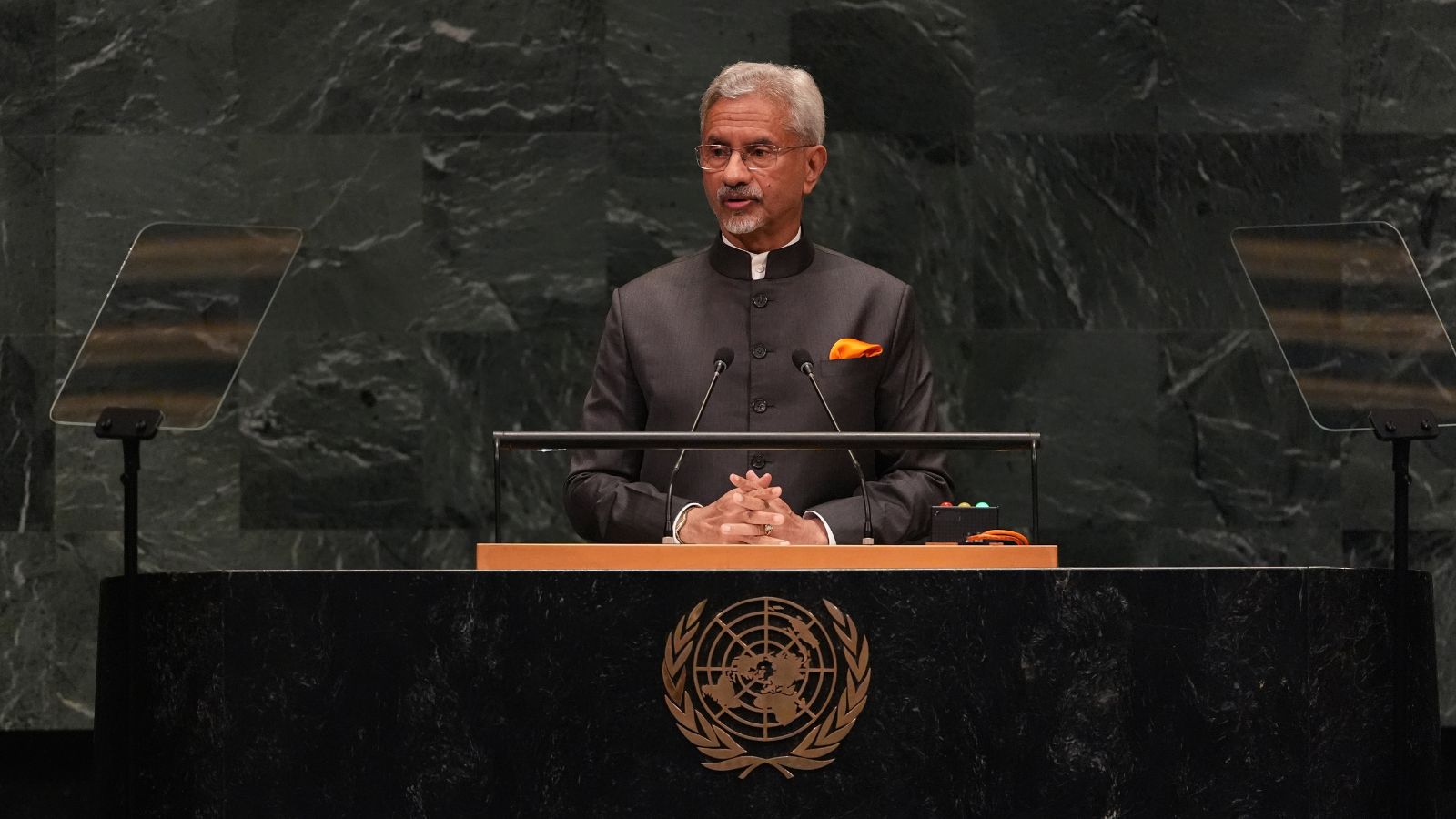
Maritime safety isn't just about choppy waters or rogue weather patterns anymore. When External Affairs Minister S. Jaishankar steps up to call attacks on Indian sailors completely unacceptable, it signals a massive shift in how New Delhi handles the protection of its workforce abroad. You can't just brush off these incidents as mere occupational hazards of the high seas. Thousands of Indian seafarers keep global supply chains moving, and ignoring their security is no longer an option.
Let's look at the reality on the ground. India supplies a massive chunk of the global maritime workforce. From container ships navigating volatile shipping lanes to oil tankers docking in high-risk zones, Indian nationals make up a significant percentage of global crews. When geopolitical tensions flare up in critical choke points like the Red Sea or the Gulf of Aden, these sailors often find themselves directly in the crosshairs. They aren't combatants. They're working professionals trying to earn a living, yet they bear the brunt of regional conflicts they didn't start.
The Growing Danger in Modern Shipping Lanes
Shipping companies have spent decades optimizing routes for speed and fuel efficiency, but safety protocols haven't kept pace with modern threats. Drone strikes, missile attacks, and maritime piracy have evolved. When a commercial vessel gets targeted, the crew has zero defense mechanisms against military-grade weaponry.
Jaishankar's recent remarks highlight a blunt truth: the international community expects Indian sailors to keep global trade afloat while offering them minimal protection. That dynamic has reached a breaking point. Diplomacy used to rely on quiet phone calls behind closed doors. Now, the Ministry of External Affairs is taking a much louder, more public stance because quiet diplomacy hasn't stopped missiles from hitting cargo vessels with Indian crews on board.
Take a moment to consider the psychological toll on these families. A sailor leaves home for a multi-month contract, expecting standard maritime risks like rough storms or mechanical failures. Instead, they face airborne drones and hostile boardings. When governments fail to secure these trade routes, recruitment for maritime academies takes a hit. Why would a young officer risk their life for a paycheck if international maritime bodies won't guarantee basic security?
Moving Beyond Empty Condemnations
Strong words matter, but enforcement matters more. When Indian leadership demands immediate action, they are putting pressure on international naval coalitions, flag states, and shipping conglomerates. If a ship flies a flag of convenience, the country whose flag it flies has a legal and moral obligation to protect the crew. Too often, those registry nations look the other way when trouble strikes outside their immediate territorial waters.
India has started deploying its own naval assets in strategic regions to escort commercial vessels and deter hostile actors. This is a pragmatic, boots-on-the-water approach. You can't outsource your citizens' safety to organizations that move too slowly or lack the mandate to act.
If you're tracking international trade or working in the maritime sector, the message is clear. Business as usual is dead. Shipowners will need to factor heavy security costs, hazard pay, and alternative routing into their operational budgets. Crew safety can no longer be treated as a line-item afterthought.
Protecting these workers requires coordinated intelligence sharing, faster response times from regional naval task forces, and real diplomatic consequences for states that sponsor or harbor maritime aggressors. India is setting a new baseline for how nations must advocate for their diaspora at sea. The cost of inaction is simply too high, and New Delhi has made it clear that ignoring the safety of Indian sailors will come with serious diplomatic friction.


