For decades, when people talked about trade between New Delhi and Brussels, the conversation started and stopped with diamonds. Antwerp was the hub where rough stones from Indian cutting centers changed hands, and little else made mainstream headlines. That era is officially over.
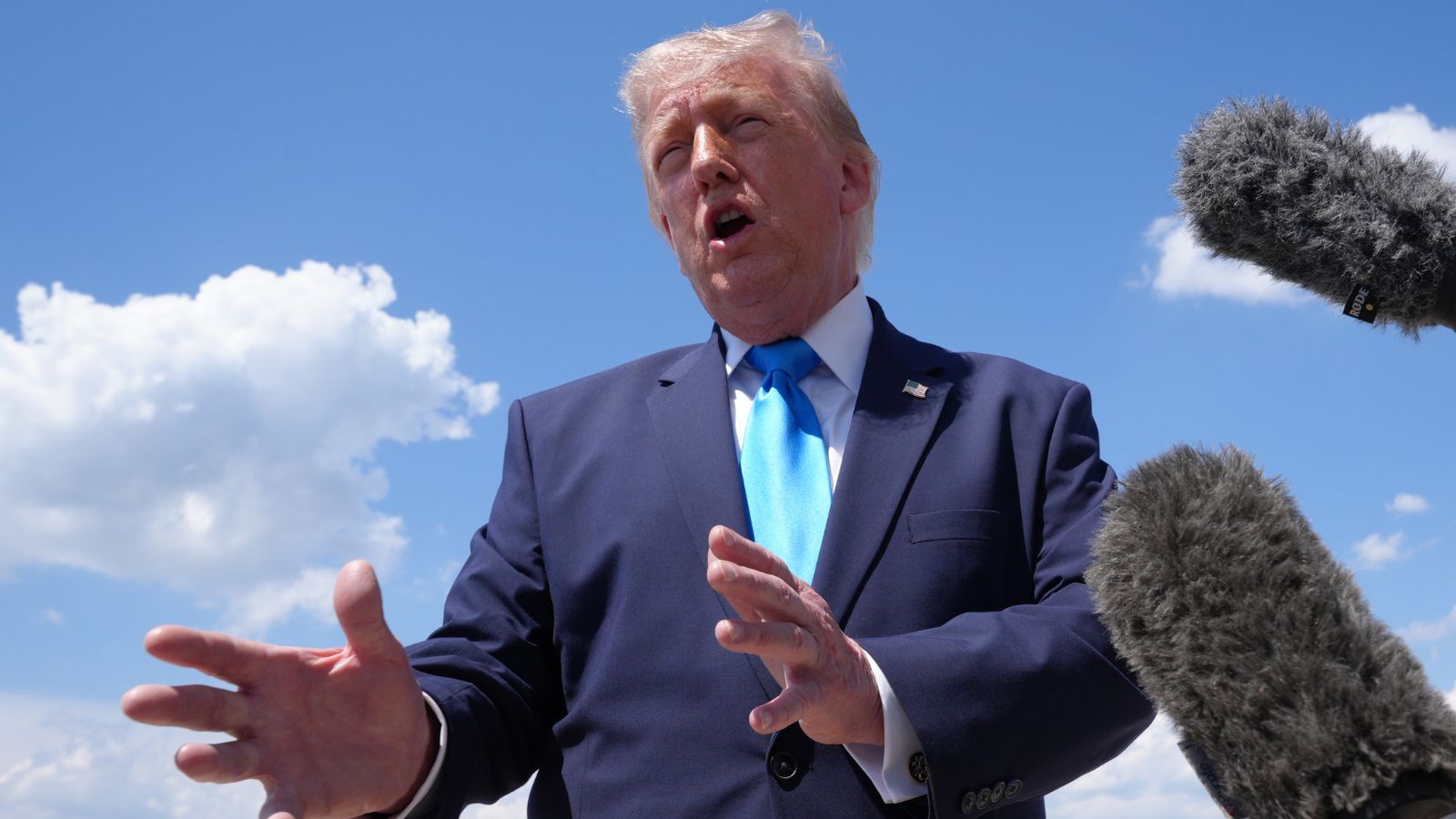
Prime Minister Narendra Modi and Belgian Prime Minister Bart De Wever recently met in New Delhi to signal a massive shift in bilateral ties. De Wever’s three-day official visit marks the first time a Belgian premier has touched down in India in twenty years. Instead of just trading gemstones, the two nations are locking arms on high-stakes industrial projects, advanced defense manufacturing, and massive clean energy ventures.
Beyond Diamonds Into Hard Defense
The most striking pivot in the relationship is happening on military tracks. India and Belgium are collaborating directly on modern defense equipment, most notably the indigenous Zorawar light tank.
If you haven't followed India's recent military modernization, the Zorawar is a big deal. Built specifically for high-altitude mountain warfare along northern borders where heavy armor struggles to move, it requires specialized firepower. Enter Belgium's defense sector.
The tank's lethal punch comes from the John Cockerill 3105 turret, mounting a 105mm rifled gun with an autoloader. Rather than just shipping finished hardware overseas, Belgium's John Cockerill Defence entered a joint venture with a Pune-based firm to manufacture these turrets right inside India. It is the company's first production line of its kind outside of Europe. This move aligns neatly with domestic manufacturing goals while giving the Indian Army the rapid deployment hardware it needs.
The Clean Energy Push
Defense is only half the story. The two countries are aggressively expanding into sustainability and critical technologies.
Take Kakinada in Andhra Pradesh. Right now, work is underway to build one of the planet's largest green ammonia projects. European technology and capital are merging with Indian industrial execution to build supply chains that bypass fossil fuels entirely.
At the same time, leaders are setting up pathways to connect Belgium's renowned IMEC research institute with India's expanding domestic semiconductor ecosystem. Semiconductors and critical minerals processing require deep technical niches that Belgium excels in, matched with the sheer industrial scale that India provides.
Doubling Down on Trade
Trade targets usually sound like empty political promises, but the economic backdrop here has teeth. Earlier this year, India and the European Union signed a historic Free Trade Agreement. Capitalizing on that momentum, New Delhi and Brussels have formally stated an objective to double bilateral trade over the next five years.
To make that happen without getting bogged down in bureaucratic red tape, India established a dedicated Investment Fast-Track Mechanism for Belgian companies. They are also revamping the India-Belgium Business Forum into a regular institutional meeting and tightening coordination between financial and fintech regulators.
Talent mobility is getting an upgrade too. The two governments plan to sign a Migration and Mobility Partnership Agreement soon, making it easier for tech specialists, researchers, and startup founders to move between regions.
When nations move past historical comfort zones like the diamond trade into heavy armor and green ammonia, it signals a fundamental shift in geopolitical alignment. Watch how these joint ventures scale over the next couple of years because they will likely blueprint how European middle powers partner with growing Asian economies.