Ignoring an Iranian warning in the Strait of Hormuz isn't just a bold maritime gamble. It's a roll of the dice with human lives, multi-million-dollar hulls, and global fuel prices.
When ships push through contested waters against Islamic Revolutionary Guard Corps (IRGC) orders, the fallout hits fast. Fires break out. Crews abandon vessels in the dark. Insurance rates spike overnight, and traders watching crude charts feel the shock before the smoke even clears. Also making news in related news: When the Crowd Becomes a Weapon.
The core issue is simple. Commercial shipping operators are caught inside a grinding naval standoff where Tehran claims authority over a vital choke point, while Western naval forces contest those claims and keep shipping lanes open. When a vessel ignores a warning or slips into what Iran labels a restricted zone, the tanker itself becomes the battleground.
What Actually Happens When a Tanker Ignores a Warning
Let's be honest about how this plays out at sea. It rarely looks like a neat movie scene. It's messy, chaotic, and terrifying for the people on board. More insights into this topic are covered by NBC News.
Since the 2026 conflict erupted in late February, tankers transiting the Strait of Hormuz have faced mines, drones, missiles, and sudden seizures. Iranian forces have repeatedly warned vessels not to enter designated restricted zones without prior coordination, and they've accused ships of sneaking through with navigation transponders switched off.
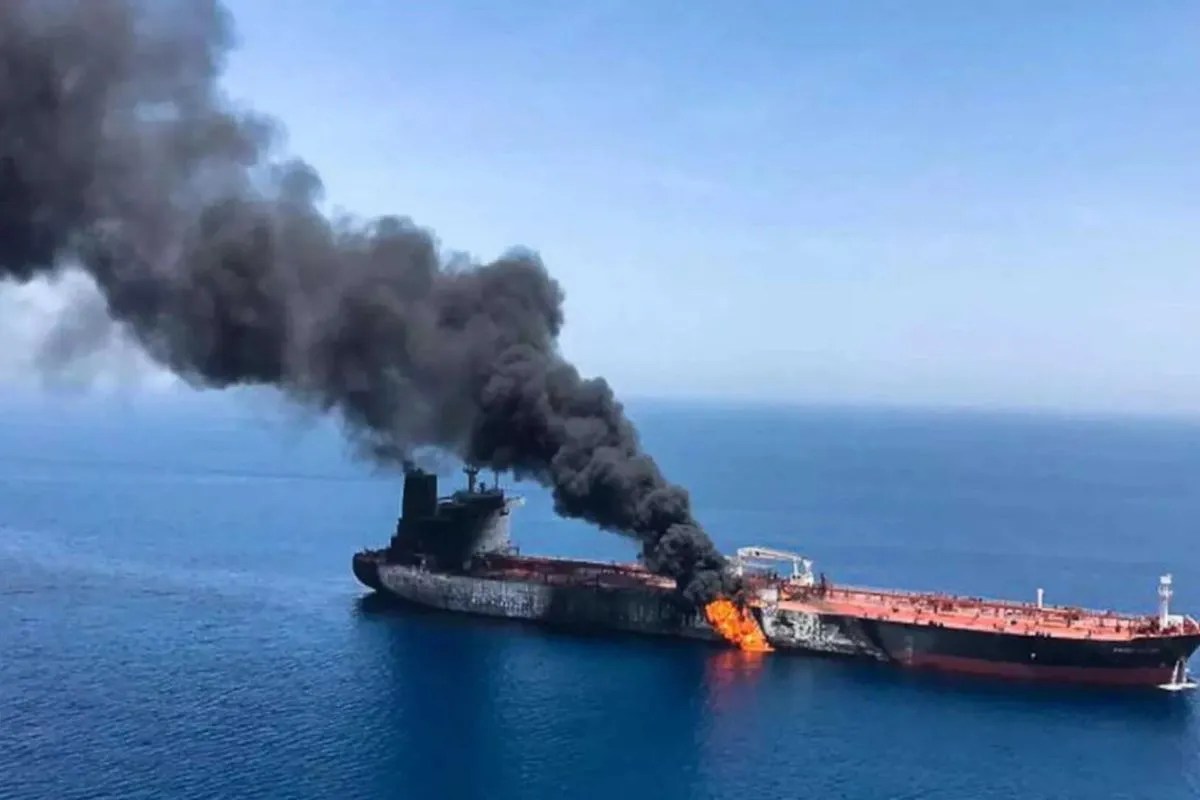
Look at what happened in mid-November 2026. A tanker carrying liquefied petroleum gas, the Tara Gas, caught fire off Oman's Khasab coast, forcing its 24-person crew to abandon ship, with two sailors hospitalized. Days later, an ADNOC vessel was struck in the strait, leaving one crew member missing and eleven injured, while Iran claimed three tankers hit mines east of the waterway.
Every time a commercial ship becomes a target, the immediate risk isn't abstract geopolitics. It's a burning engine room, a frantic evacuation in heavy swells, and a family waiting for news that doesn't come.
Why "Dark Mode" Sailing Backfires
Some operators turn off their Automatic Identification System (AIS) to blend in or avoid detection. Makes sense on paper, right?
In practice, sailing dark in a tight, heavily monitored chokepoint often creates a different problem. Vessels moving without clear identification risk being treated as suspicious, hostile, or rule-breakers by patrolling forces. You might hide from one set of eyes while drawing unwanted scrutiny—or worse—from another.
Why the Strait of Hormuz Is Such a Powder Keg
Geography does half the heavy lifting for Iran here. At its narrowest point, the Strait of Hormuz is roughly 21 miles wide, and the actual shipping lanes are much tighter than that. There's nowhere to hide when tensions flare.
Before the 2026 war escalated, roughly a quarter of the world's seaborne oil trade and around a fifth of global liquefied natural gas passed through this corridor. It also carries a massive share of global fertilizer inputs like urea and ammonia. When ships get hit or transit slows to a trickle, the ripple effects don't stay in the Persian Gulf.
The Northern vs. Southern Route Tug-of-War
A big piece of the current friction comes down to where ships sail. Tehran has pushed vessels to seek permission and use a northern corridor closer to Iranian waters, while threatening or attacking traffic using alternative routes. Meanwhile, the U.S. military has stated it cleared mines from primary transit routes and maintains naval presence to protect shipping.
Here's the catch for shipowners and captains. Following one side's instructions can put you at odds with the other. You're trying to run a commercial voyage through an active military dispute.
Don't Take Every Wartime Claim at Face Value
Information in a live maritime crisis is notoriously noisy. When Iranian state media or the IRGC claims multiple tankers struck mines or a major vessel sank, those statements aren't always independently verified right away. Likewise, military spokespeople on all sides routinely push counter-narratives.
From following maritime security reporting closely, the most reliable picture usually comes from cross-checking multiple sources—such as the UK Maritime Trade Operations (UKMTO), maritime intelligence firms like Windward, and official statements from flag states or vessel operators. If a single account sounds dramatic and unverified, wait for corroboration before treating it as settled fact.
The Hidden Costs Beyond Hull Damage
Most casual readers only think about crude oil prices spiking at the pump. That's real, sure. Still, the deeper squeeze happens behind the scenes.
War-risk insurance premiums jump when attacks become frequent. Charterers hesitate to book voyages into high-risk zones. Some ships reroute, wait outside the Gulf, or rely on offshore transfers, driving up freight costs and slowing supply chains across energy, manufacturing, and agriculture.
Even when overall daily oil flows partially recover through escorts or alternative transfers, high transit costs and uncertainty linger. Markets price in fear just as fast as physical barrels.
Practical Moves for Anyone Tracking or Operating in the Region
If you work in logistics, commodities, energy procurement, or maritime risk, treating Hormuz alerts as routine background noise is a mistake.
- Verify incidents across independent channels: Compare vessel operator announcements and UKMTO advisories against military and state-media claims rather than relying on a single headline.
- Build buffer time and contingency routes into schedules: Factor potential delays, anchorage holds, and shifting corridor guidance into delivery timelines and inventory plans.
- Watch insurance and freight rate signals early: Spikes in charter rates and war-risk coverage often warn of tightening supply before spot energy prices fully react.
- Prioritize crew safety over schedule pressure: Never pressure operations or commercial teams to cut corners in active threat zones when crew evacuations and injuries remain a regular hazard.