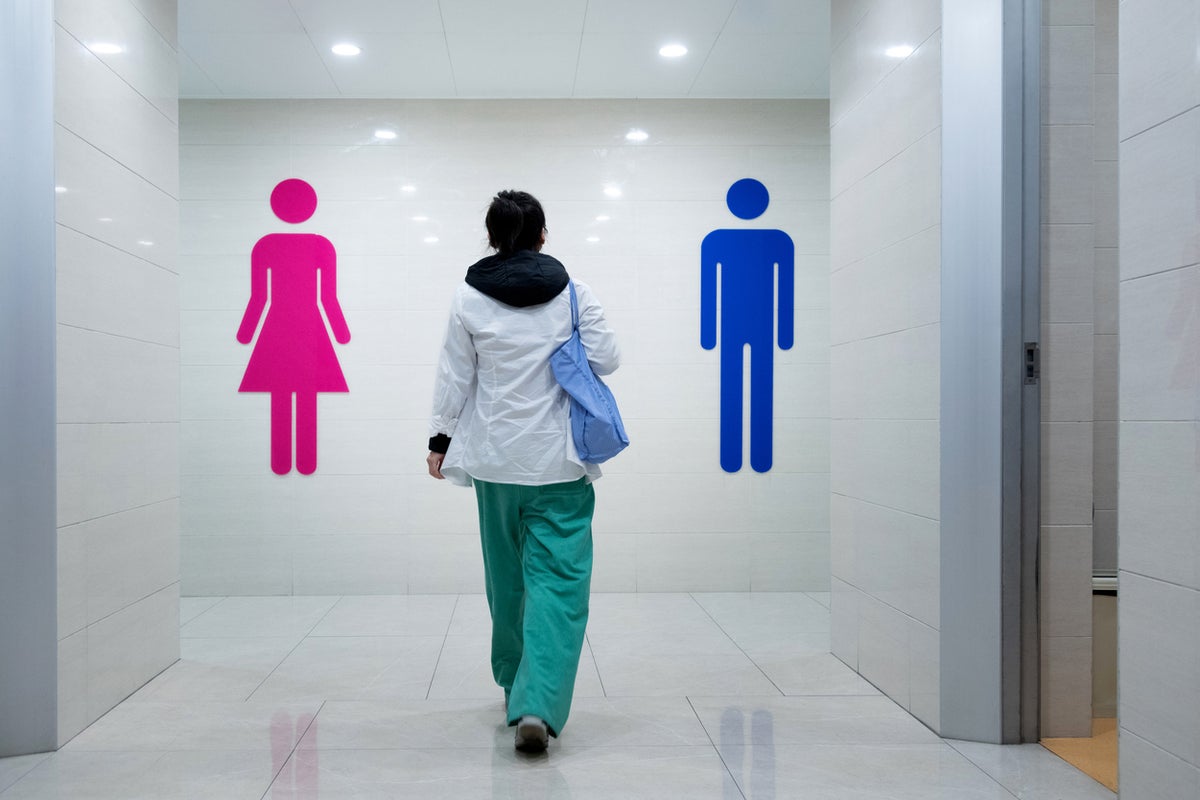
Idaho just turned the simple act of using a public restroom into a potential legal minefield for transgender people. Six residents aren't taking it sitting down. They’ve filed a federal lawsuit against the state, arguing that Idaho’s new law doesn’t just discriminate—it essentially criminalizes their existence in public spaces.
The law in question, Senate Bill 1292, went into effect earlier this year. It mandates that individuals in government-owned buildings, including schools and state offices, must use the bathroom corresponding to the sex they were assigned at birth. If you're wondering how this is being enforced, you're not alone. It's messy. It's invasive. Honestly, it’s a logistical nightmare for anyone who doesn't fit a specific, narrow mold.
The plaintiffs in this case include adults and students who say this law forces them into a "lose-lose" situation. They either use a bathroom where they feel unsafe and out of place, or they risk harassment and legal trouble by following their gender identity. This isn't just about where someone goes to the bathroom. It’s about whether a state can legally bar a specific group of people from basic participation in civic life.
The Legal Argument Against Bathroom Restrictions
The lawsuit filed in the U.S. District Court for the District of Idaho isn't just a grievance. It's a calculated legal challenge based on the Fourteenth Amendment and Title IX. The core of the argument is simple. By targeting transgender individuals, Idaho is violating the Equal Protection Clause.
Laws like SB 1292 create a second-class status for transgender people. When a state tells you that you can't use a facility that matches your lived reality, it's sending a message. It says you don't belong. The legal team representing the residents argues that there's no legitimate state interest being served here. They claim the "privacy" and "safety" arguments used by lawmakers are nothing more than a smokescreen for bias.
Think about the practical impact. A trans man who has lived as a man for a decade, with facial hair and a deep voice, is now legally required by Idaho to enter a women's restroom. Does that sound like it's protecting anyone’s privacy? It sounds like a recipe for chaos. The lawsuit highlights these absurdities to show that the law is fundamentally irrational.
Privacy Claims vs Reality
Supporters of the ban often talk about protecting women and children. It’s a common talking point. But when you look at the data, those fears don't hold up. There’s no evidence that allowing transgender people to use the correct bathroom leads to an increase in safety incidents. In fact, transgender people are significantly more likely to be victims of harassment and violence in restrooms than the other way around.
Groups like the American Civil Liberties Union (ACLU) and Lambda Legal, who are involved in these types of challenges, point to years of data from states with inclusive policies. Places like California or New York haven't seen the "privacy crisis" that Idaho lawmakers warned about.
The lawsuit mentions specific instances where the plaintiffs have faced fear. One student mentioned avoiding drinking water all day just to stay out of the school bathrooms. That’s not a policy issue. That’s a health issue. When a kid is too scared to use a toilet at school, the education system has failed them.
The Growing Pattern of Idaho Legislation
This bathroom ban didn't happen in a vacuum. Idaho has been a primary testing ground for restrictive gender-related legislation over the last few years. We’ve seen bans on gender-affirming care for minors, restrictions on changing birth certificates, and sports bans.
It’s a legislative blitz.
The six residents suing the state see this as a tipping point. They’re arguing that the cumulative effect of these laws is to push transgender people out of the state entirely. It's a "soft" exile. If you can't go to school, work in a state building, or even visit a public library without fearing a confrontation in the hallway, your quality of life disappears.
Critics of the lawsuit say the state has the right to define these spaces. They argue that "sex" is a biological reality that the law must recognize. But the courts are increasingly being asked to decide if "biological reality" as defined by a 1950s textbook can override the civil rights of people living in 2026.
Federal Courts and the Title IX Conflict
There’s a massive conflict brewing between state laws like Idaho’s and federal protections. The Biden administration previously updated Title IX regulations to clarify that discrimination based on gender identity is prohibited in schools. Idaho, along with several other conservative states, immediately sued to block those federal rules.
So now we have a standoff.
On one side, you have the federal government saying schools must be inclusive to receive funding. On the other, you have Idaho saying school officials must discriminate or face state-level penalties. The six residents caught in the middle are the ones paying the price while the lawyers argue.
The outcome of this specific lawsuit will likely ripple across the country. If the court sides with the residents, it could set a precedent that stops other states from passing similar "bathroom bills." If Idaho wins, expect a flood of these laws in every state house with a conservative majority.
What This Means for Residents Right Now
If you’re living in Idaho, the law is currently the law. But the filing of this lawsuit creates a window for a preliminary injunction. An injunction would pause the law while the case moves through the system. For the students and workers involved, that's the immediate goal. They need to breathe. They need to go to work or class without a panic attack.
The legal process is slow. It’s frustrating. But this case is different because of the specific plaintiffs involved. We're talking about taxpayers, students, and long-term residents. These aren't outside agitators. They're people who call Boise and Coeur d'Alene home.
The Human Cost of Legislative Optics
Lawmakers often treat these bills as easy wins for their base. They get to go on TV and talk about "common sense." But they rarely talk about the person who has to decide between a bladder infection or a physical confrontation.
The six plaintiffs are putting their names and faces on a public document. In a state where tensions are high, that’s an act of massive bravery. They’re being subjected to public scrutiny and potential Retaliation just for the right to use a stall behind a locked door.
This case isn't just a legal curiosity. It’s a fight over the definition of public space. If the state can tell you which room you’re allowed to stand in based on your medical history, what else can they dictate? That’s the question that should worry everyone, regardless of how they feel about gender identity.
Immediate Steps and Advocacy
If you're following this case, watch the docket for the hearing on the preliminary injunction. That’s the first major hurdle.
For those in Idaho or states considering similar measures:
- Contact local representatives to demand a focus on actual safety data rather than rhetoric.
- Support legal funds for the plaintiffs, as these cases cost hundreds of thousands of dollars to litigate.
- Document any instances of harassment resulting from the implementation of SB 1292.
The law might be on the books for now, but the courtroom is where the real definition of Idaho’s "freedom" will be decided. This isn't over. Not by a long shot.