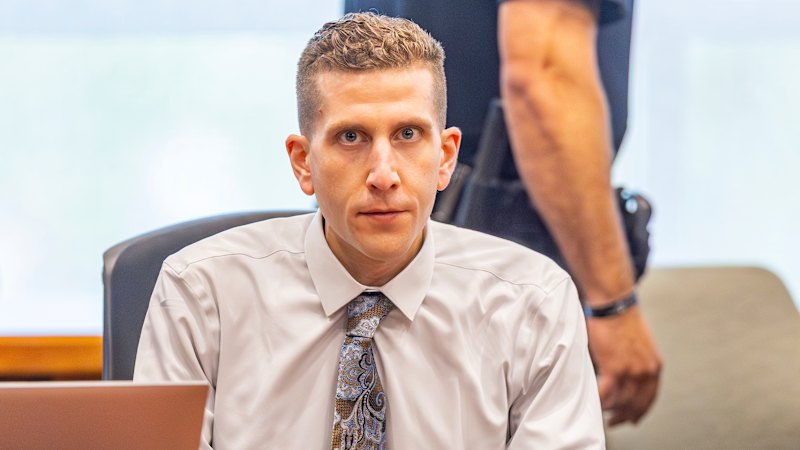
Legal battles rarely end the moment a judge accepts a plea. You think things are final. They aren't. Bryan Kohberger's case proved that courtroom doors swing both ways, especially when high stakes meet shifting defense strategies.
Let's cut through the noise. Legal maneuvers like attempting to withdraw a guilty plea in a capital murder case capture national attention for a reason. They challenge our desire for closure. When a defendant tries to take back an admission of guilt, the entire judicial machinery has to pause, re-evaluate, and justify every single step it took.
The Reality of Plea Reversals in Capital Cases
Changing a plea isn't like deleting a text message. It requires a heavy legal burden. Defendants usually have to prove they received ineffective assistance of counsel, coercion, or that they didn't fully understand the constitutional rights they were waiving.
Courts don't like granting these motions. Judges view guilty pleas as solemn, binding contracts with the state. If anyone could walk into a courtroom, plead guilty to avoid the death penalty, and then change their mind on a whim, the system would collapse under its own weight.
Yet, defense teams keep trying. Why? Because the alternative is permanent.
When you look at the Idaho student killings, the emotional weight hanging over the community in Moscow, Idaho, remains staggering. Four lives lost. Years of procedural wrangling. Every single motion filed sends shockwaves through families who just want peace.
What Happens When a Defendant Tries to Back Out
Procedural hurdles stack up quickly.
- The defense must file a formal motion detailing the exact legal grounds for withdrawal.
- Prosecutors push back hard, arguing the original plea was knowing, intelligent, and voluntary.
- An evidentiary hearing takes place where witnesses testify, sometimes including previous attorneys.
This creates a bizarre paradox. The defense has to waive attorney-client privilege in specific ways to prove their former lawyers messed up. It gets messy fast. You watch legal teams tear down work they previously supported.
Kohberger's legal saga—and any parallel post-conviction or plea-retraction efforts tied to major high-profile crimes—highlights systemic vulnerabilities. Public defenders and appointed counsel face insurmountable workloads. Mistakes happen. Miscommunications occur. When the penalty is ultimate, courts sometimes grant extra leeway to ensure due process isn't just a buzzword.
The Public Frustration Factor
People get angry. It looks like manipulation. It looks like a game played by clever lawyers trying to cheat justice.
Honesty matters here: the public wants finality. When a brutal crime tears apart a college town like the University of Idaho did in November 2022, every delay feels like a fresh wound. Kaylee Goncalves, Madison Mogen, Xana Kernodle, and Ethan Chapin deserved justice without endless legal gymnastics.
Yet, the Constitution demands precision over speed. If a conviction relies on a shaky plea that wasn't legally sound, an appellate court will tear it down later anyway. Doing it right now prevents decades of appeals down the road. That is the cold, hard logic judges must follow, no matter how much public outrage it generates.
Keep an eye on the upcoming court docket dates. Pay attention to the actual legal briefs filed by defense attorneys rather than sensationalized headlines. True understanding lives in the transcripts, not the commentary.