In a small, windowless office in Montgomery, Alabama, the air smells of old paper and the ozone of overworked servers. This is the nerve center of the Southern Poverty Law Center (SPLC), a place that has spent half a century mapping the dark corners of the American psyche. For the people working here, the job isn't just data entry. It is an act of cartography, tracing the jagged outlines of hate groups and extremist movements that most of the country would rather pretend don't exist.
But lately, the maps have changed. The lines between the fringe and the mainstream have blurred so thoroughly that the mappers themselves have become the targets.
The SPLC recently sounded a frantic, digital alarm. They aren't just reporting on the news anymore; they are the headline. According to their leadership, the Trump administration has moved beyond mere rhetorical sparring and into a coordinated effort to dismantle the organization’s influence. It is a quiet war of attrition fought through policy shifts, de-listing from federal programs, and the weaponization of the "hate group" label against the very people who coined it.
The stakes are invisible until they aren't.
The Weight of a Label
Imagine a local lawyer. Let’s call him Elias. Elias spends his days representing poultry plant workers who haven't been paid their overtime. He relies on the SPLC’s research to understand the systemic exploitation in his county. He uses their "Hate Map" to see if the local protest groups forming outside his office are actually grassroots neighbors or organized extremist cells fueled by out-of-state money.
To Elias, the SPLC is a lighthouse. To the current administration, it is a partisan sniper nest.
The friction point lies in a single, powerful word: "Hate." For decades, the SPLC has been the unofficial arbiter of who deserves that tag. When they put a group on their map, banks sometimes close that group's accounts. Tech giants pull their donation buttons. It is a form of social and financial excommunication.
The administration’s counter-move has been a masterclass in institutional pressure. By claiming the SPLC is a biased, radical-left organization, the federal government has begun to systematically strip away the group's access to the levers of power. They have been sidelined from briefings. Their data, once a staple for FBI training, is being scrutinized under a microscope designed to find flaws rather than facts.
This isn't a simple disagreement over definitions. It is a battle for the soul of the data.
The Infrastructure of Silence
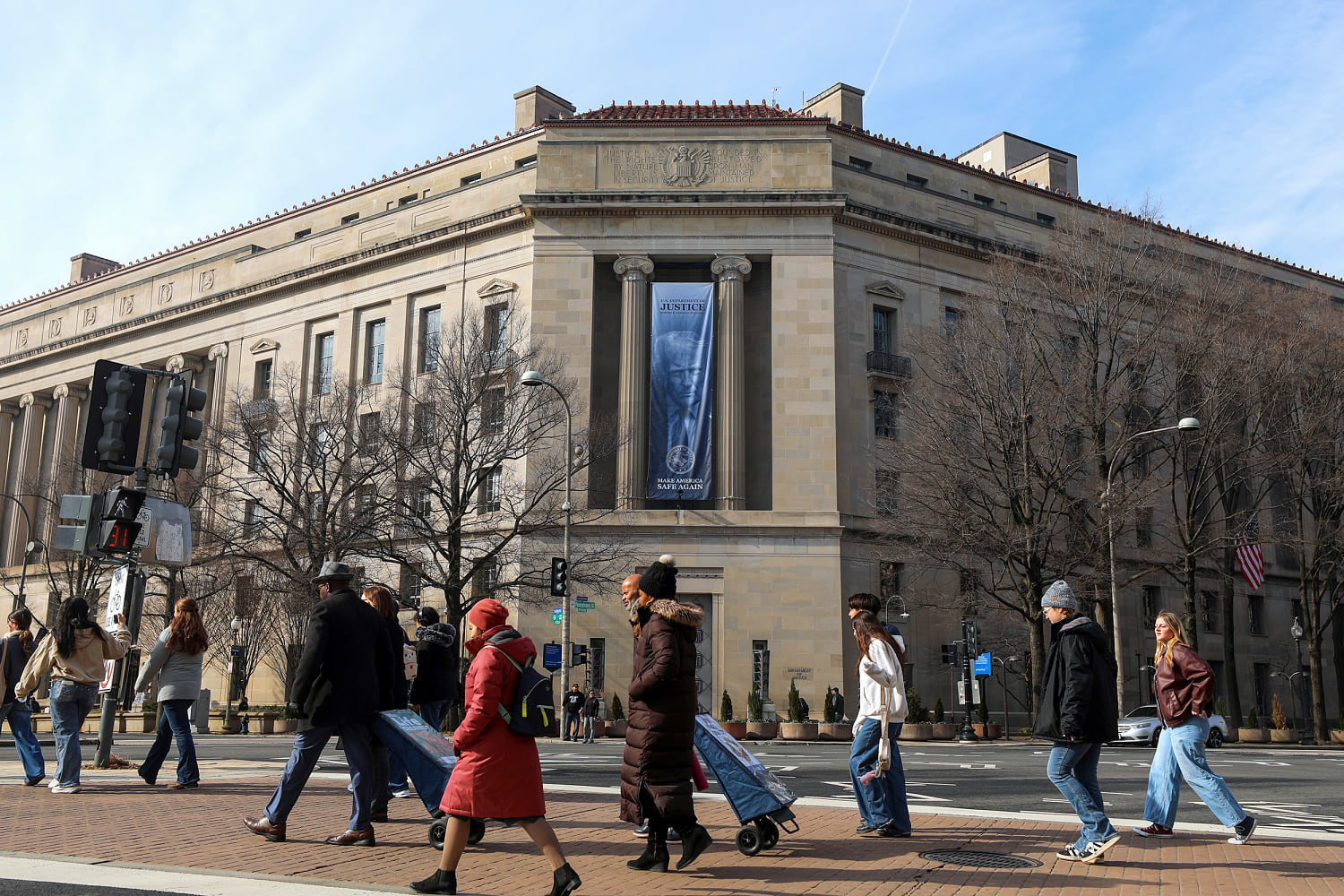
When a government decides an organization is a "target," it doesn't always send men in suits to knock on the door. Usually, it’s much more subtle. It happens in the fine print of federal grants. It happens when a Department of Justice memo quietly suggests that the SPLC’s "Hate Map" is no longer a reliable source for law enforcement.
Consider the ripple effect of that one suggestion.
When the federal government casts doubt on a watchdog, every small-town police department follows suit. The flow of information dries up. The "Watchmen" find themselves shouting into a void because the people they are trying to warn have been told to cover their ears.
The SPLC argues that this is a deliberate strategy to "de-platform" them from the legal and civic landscape. If you can’t disprove the facts of a hate group’s existence, you instead destroy the credibility of the person reporting those facts. You don't kill the message; you kill the messenger’s reputation until the public can’t tell the difference between a white supremacist and the civil rights lawyer pointing at him.
It is a hall of mirrors.
The Human Toll of Policy
Behind the legal filings and the fiery press releases are the employees who now have to check under their cars before they leave the office. Being "targeted" by an administration isn't just a political talking point; it is an invitation for the most volatile elements of society to view you as a legitimate enemy.
The SPLC has seen a surge in threats that mirror the rhetoric coming from Washington. When the highest levels of government use words like "scam" or "radical" to describe a civil rights group, it acts as a green light for those on the fringes. The data trackers who used to worry about the safety of others now find their own home addresses circulating on dark web forums.
The tension is a living thing. It sits in the breakroom. It lingers in the emails.
The Great Inversion
We are witnessing a Great Inversion of American civic life. Historically, the government and civil rights watchdogs operated in a state of productive friction. The watchdogs barked, the government listened—sometimes begrudgingly—and the public stayed informed.
Now, the roles have flipped. The government is the one barking, and the watchdogs are the ones being watched.
This shift creates a dangerous vacuum. If the SPLC is effectively neutered or pushed so far to the margins that their work is dismissed as partisan noise, who fills the gap? Nature, and politics, abhor a vacuum. If the primary organization tracking domestic extremism is silenced, the extremists don't disappear. They simply stop being tracked.
They move in the shadows. They grow in the dark.
The SPLC’s struggle is a canary in the coal mine for any organization that dares to hold a mirror up to power. It starts with a press release from a federal agency. It ends with the total erosion of shared reality.
In Montgomery, the servers keep humming. The mappers keep drawing their lines. But they are drawing them on a landscape that is shifting beneath their feet, where the very act of identifying a threat is now treated as a threat itself. The lighthouse is still there, but the fog is being pumped in by the people who own the coast.
One night, the light might not be enough to see the rocks. We are all on the ship, and the captain has just declared that the map-makers are the ones trying to sink us.