Democracy isn't just about who sits in the big chair. It's about the machinery that puts them there. When President Tamás Sulyok recently stood before the nation to declare that Hungary’s elections were orderly and gave a "clear mandate," he wasn't just checking a box. He was trying to steady a ship that’s been tossed by some pretty nasty political waves lately.
If you’ve been following the news out of Budapest, you know the vibe. There’s been a lot of noise about the "rule of law" and "democratic backsliding." But Sulyok's message is simple: the system works, the people spoke, and the results are legitimate. Honestly, in a region where political transitions can feel like a contact sport, that’s a statement worth dissecting.
The Mandate is the Message
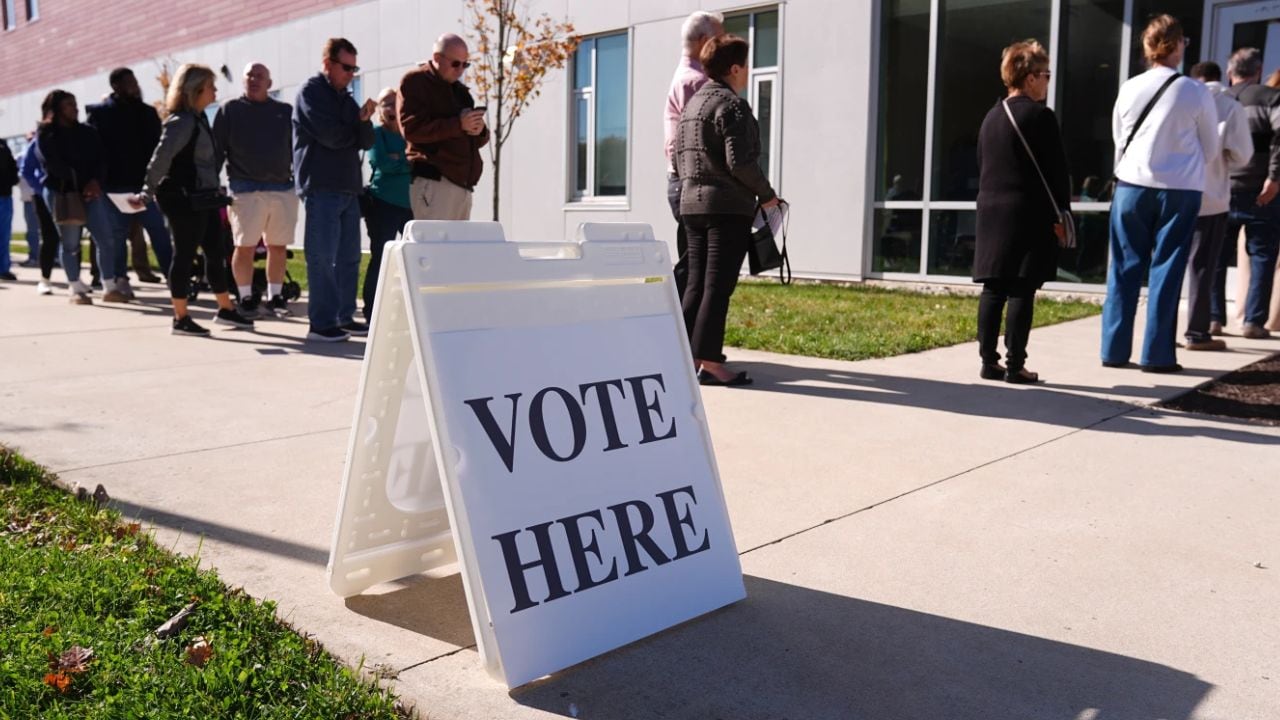
What does a "clear mandate" actually mean in 2026? For Sulyok, it’s about the legal weight of the vote. Hungary just wrapped up a massive dual-election cycle—local seats and European Parliament mandates were all on the line. The turnout was high, the logistics were smooth, and the president wants the world to know that the outcome reflects the genuine will of the Hungarian people.
It's easy to get lost in the "Fidesz vs. Everyone Else" narrative. But Sulyok, a lawyer by trade and former head of the Constitutional Court, looks at this through a different lens. He sees a process that followed the letter of the law. To him, the "orderly" nature of the vote is the ultimate defense against critics in Brussels or Washington who claim the Hungarian system is rigged.
Why Orderly Doesn’t Always Mean Quiet
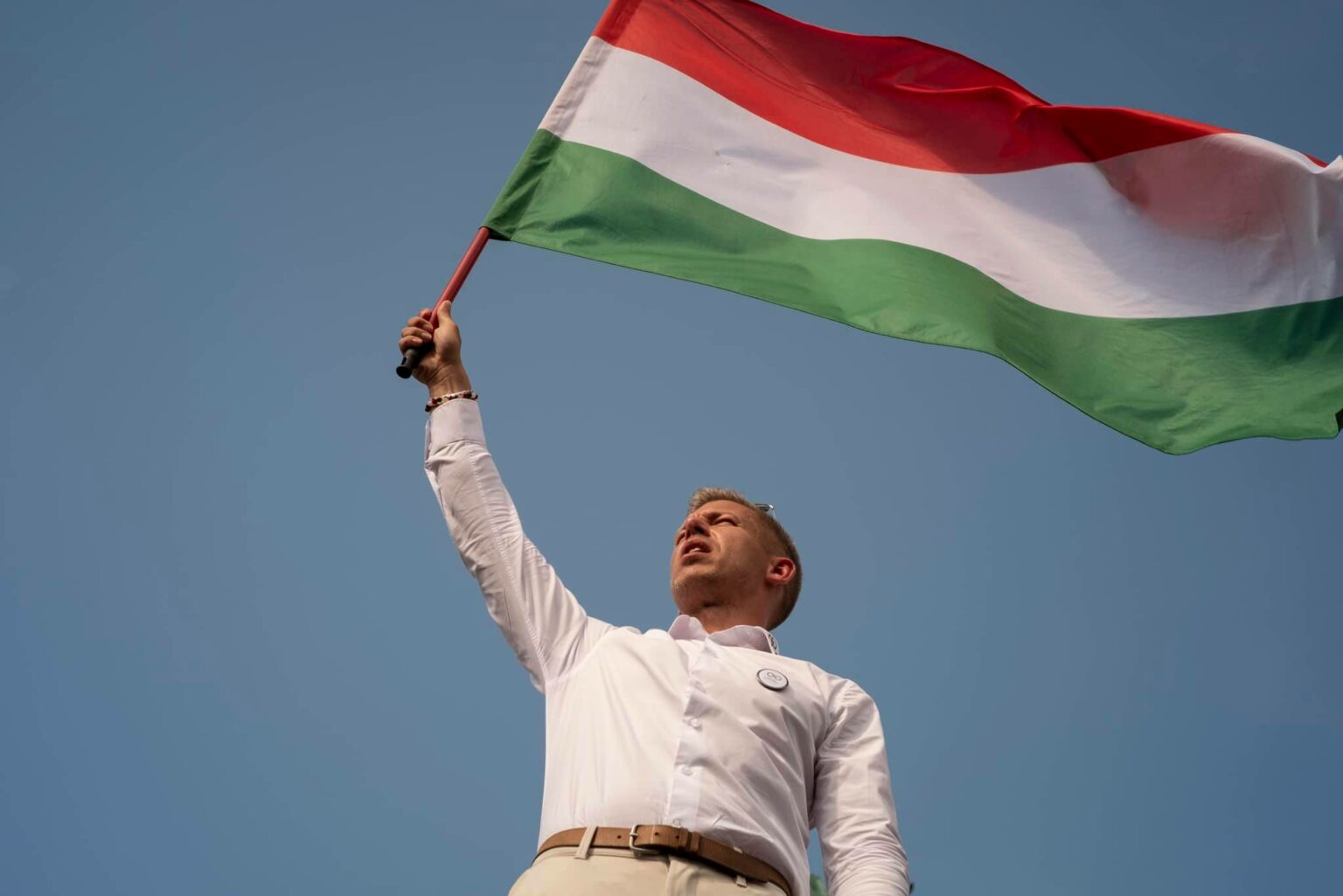
Let’s be real for a second. "Orderly" doesn't mean there wasn't a fight. This election cycle was actually one of the most chaotic in recent memory for Viktor Orbán’s ruling party. We saw the rise of Péter Magyar and his Tisza party, which basically came out of nowhere to grab nearly 30% of the vote.
When Sulyok talks about a mandate, he’s acknowledging a shifted landscape.
- The ruling coalition still has the numbers.
- The opposition has a new, energized face.
- The electorate is clearly not asleep at the wheel.
By focusing on the orderliness of the election, the President is subtly shifting the conversation. He's saying that whether you love the results or hate them, you can't argue with the process. It's a classic legalistic move. It’s boring, it’s stable, and it’s exactly what the government needs to project right now.
The President’s Tightrope Walk
You have to remember that Sulyok himself is a relatively new face in the presidency. He took over after Katalin Novák resigned in the wake of that massive pardon scandal. His whole brand is about being the "adult in the room"—the guy who knows the constitution inside and out and isn't interested in the "influencer" style of politics.
When he praises the election’s order, he’s also validating his own role. He was elected by Parliament to restore dignity to the office. If the elections are seen as clean and the mandate is seen as clear, his job of signing laws and representing the state becomes a whole lot easier. He’s basically saying, "The house is in order, now let’s get back to work."
Bridging the Gap with Brussels
There’s an international angle here that most people miss. Hungary has been in a long-standing boxing match with the European Union over funding and democratic standards. Sulyok’s rhetoric about an orderly election is a direct signal to the EU.
He’s arguing that Hungary is a functioning democracy with a sovereign right to its own legal path. In his view, the EU’s "rule of law" procedures often feel like "idolatry" rather than a practical legal standard. By pointing to a successful, high-turnout election, he’s providing the government with ammunition to say, "Look, our people are engaged, and our institutions are solid. Back off."
What This Means for You
If you’re watching this from the outside, don’t just look at the percentages. Look at the stability. Hungary is a place where the political temperature is always high, but the institutional foundations are being reinforced by guys like Sulyok.
The "clear mandate" he talks about means the government has the green light to keep pushing its specific brand of national sovereignty. It also means the new opposition has a legitimate platform to build on for 2026.
The next step for anyone following this story is to watch the legislative output. Now that the "mandate" is confirmed, expect the government to move fast on its priority projects. Keep an eye on how the new Tisza party members in the European Parliament use their influence. The election was orderly, sure—but the politics following it are going to be anything but.