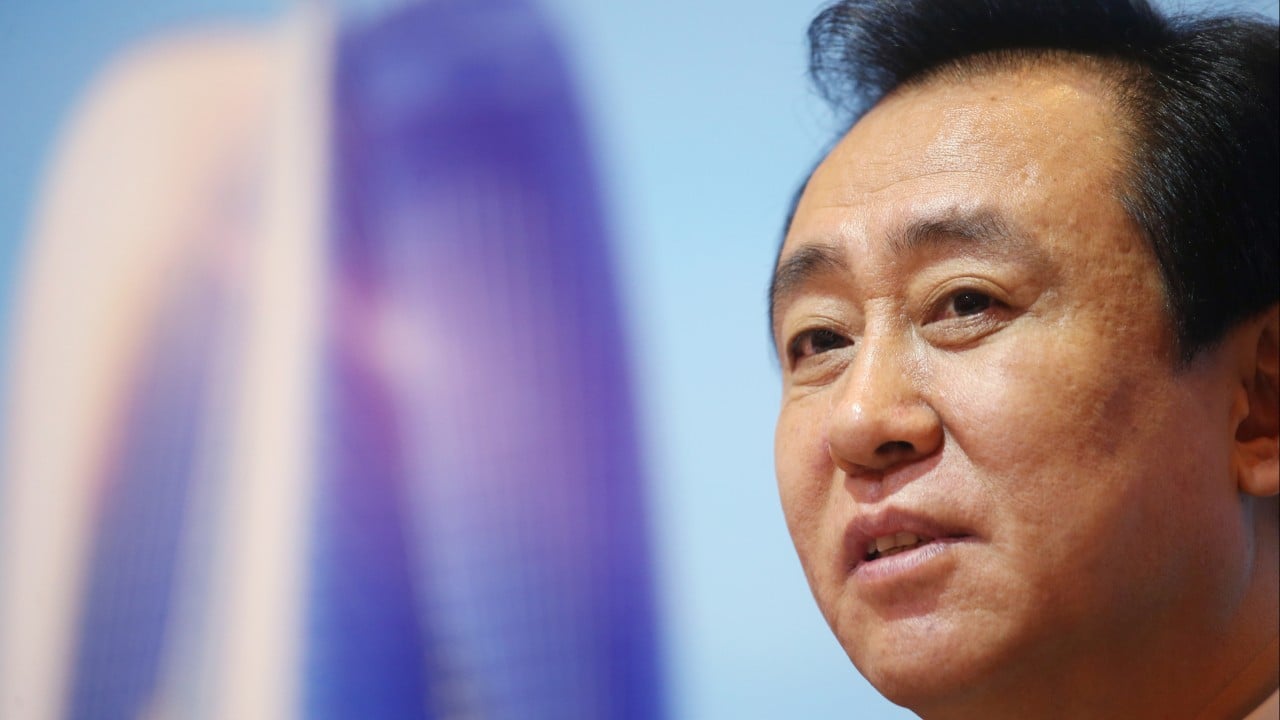
Hui Ka-yan is officially done. The man who once sat atop a $300 billion empire just stood in a Shenzhen court and admitted to it all. It wasn't just a standard "mistakes were made" confession. On April 14, 2026, the founder of China Evergrande Group pleaded guilty to a laundry list of charges that sound more like a mob indictment than a corporate filing.
We're talking about illegal absorption of public deposits, fundraising fraud, and corporate bribery. He also admitted to shuffling funds around like a shell game, making illegal loans, and basically lying to everyone about the company's health for years. For anyone who's been following the slow-motion car crash of the Chinese property market, this is the moment the music finally stopped. If you found value in this article, you should look at: this related article.
I've watched these cycles before, but the scale here is genuinely hard to wrap your head around. Evergrande wasn't just a developer. It was a cultural phenomenon that built cities out of thin air and debt. Now, its founder is expressing "remorse" in a court statement on WeChat while the world waits to see how many years—or decades—he'll spend behind bars.
The $78 Billion Lie that Broke the System
The core of the fraud isn't just that Evergrande ran out of cash. It’s that they pretended they had it when they didn't. Back in 2024, regulators already flagged that the company inflated its revenue by a staggering $78 billion over just two years. Think about that number. That's not a rounding error. That's an intentional, coordinated effort to keep the lights on by tricking investors and the government into believing the "Evergrande Miracle" was still alive. For another look on this story, see the recent coverage from MarketWatch.
The charges Hui pleaded guilty to this week in the Shenzhen Intermediate People's Court reveal the mechanics of the scam. He wasn't just building apartments. He was:
- Sucking up public deposits without the legal right to do so.
- Bribing officials to keep the wheels greased.
- Issuing fraudulent securities to tap into markets that should've been closed to him.
- Diverting funds away from core projects to pet ventures like electric vehicles and soccer teams that never stood a chance.
Honestly, it’s the classic story of a founder who started believing his own hype. When the Chinese government tightened the "Three Red Lines" on debt in 2020, Hui didn't pivot. He doubled down on the deception.
What This Means for the 1.5 Million Unfinished Homes
If you're an investor, you probably already wrote off your losses when the Hong Kong court ordered Evergrande to liquidate in 2024. But if you're one of the hundreds of thousands of Chinese citizens who paid for a home that currently exists only as a concrete skeleton in a provincial city, this guilty plea is bittersweet.
The trial included representatives from the National People's Congress, which tells you how much the state wants to show they're taking this seriously. But a guilty plea doesn't magically finish a building. The liquidation process is a mess. Over 90% of Evergrande's assets are on the mainland, while the liquidation order came from Hong Kong. It's a jurisdictional nightmare that's going to take years to untangle.
Most of the money is gone. Burned. Spent on interest payments, failed EV startups, and the massive lifestyle Hui maintained while his company was cratering. The "remorse" he expressed in court won't pay the contractors or the plumbers who stopped working on those sites years ago.
The Lifecycle of a Default
People often ask why it took so long for this to hit the courts. Hui was detained back in September 2023. Since then, he's been sitting in a detention center while investigators dug through what is likely the most complex set of corporate books in history.
- The Detention (2023): Hui disappears from public life as "mandatory measures" are taken.
- The Liquidation (2024): A Hong Kong judge finally says "enough is enough" and orders the company to be wound up.
- The Delisting (2025): Evergrande shares are officially kicked off the Hong Kong Stock Exchange.
- The Trial (2026): The criminal charges finally land, leading to this week's guilty plea.
It's a methodical dismantling of a man who was once the richest person in Asia. The Chinese authorities are sending a clear signal here: the era of "too big to fail" developers is over. If you play fast and loose with the public's money and the stability of the economy, you're going to end up in a courtroom in Shenzhen pleading for mercy.
Is the Real Estate Crisis Actually Over?
Don't bet on it. While Hui's personal legal saga is nearing its end, the fallout is still rattling the world's second-largest economy. Evergrande was just the biggest domino. Dozens of other developers have defaulted since 2021. The property sector used to account for about 25% of China's GDP. You don't just "fix" that by putting one billionaire in jail.
The government is trying to balance "social stability" (making sure people get their homes) with "moral hazard" (not bailing out every reckless developer). By making an example of Hui, they're attempting to close the chapter on the old way of doing business. But the ghost of $300 billion in debt still haunts the balance sheets of banks across the country.
Your Move
If you're still holding any exposure to Chinese property bonds or related equities, you're basically playing with fire at this point. The focus has shifted from "restructuring" to "liquidation and prosecution."
- Stop looking for a bounce. There isn't one coming for the old-guard developers.
- Watch the court's sentencing. The severity of Hui's sentence will tell us exactly how much of the blame the state is placing solely on his shoulders versus the systemic issues.
- Pay attention to the smaller players. The fate of the "unfinished homes" will be decided city by city, not in a central courtroom.
Hui Ka-yan's guilty plea is the final nail in the coffin of a specific type of Chinese capitalism. It was built on endless credit and the belief that home prices only go up. That belief is dead. Now, we're just sweeping up the glass.