Insurance broking isn't usually the kind of business that grabs sports-page headlines or sparks heated debates in London's financial districts. Yet here we are. Howden—the fast-growing insurance group best known outside the City for sponsoring the British & Irish Lions—is reportedly lining up a former Goldman Sachs partner to join its board right as it pushes forward with a major fundraising effort.
On the surface, that sounds like standard corporate housekeeping. Big company wants money, big company hires famous banker. Simple, right? Also making news in related news: Anthropic IPO Economics Why Scale Masks Capital Risk.
Not quite. If you've ever watched an insurance brokerage scale from an ambitious challenger into a genuine threat to global giants like Marsh McLennan and Aon, you know board appointments like this are never accidental. They're signals. And right now, Howden is sending a very loud message to institutional investors, private equity backers, and debt markets alike.
What Is Actually Happening at Howden
Let's strip away the corporate jargon and look at the facts on the table. Howden Group Holdings, led by founder and CEO David Howden, has spent the past decade on an aggressive acquisition tear across the UK, Europe, Asia, and the Americas. While most people recognize the Howden name from the front of the British & Irish Lions rugby jersey—a high-profile sponsorship deal that put the brand in front of millions of fans during the 2025 tour of Australia—the real story has been happening on its balance sheet. Further insights on this are explored by Harvard Business Review.
To keep buying up regional brokers and specialty underwriters, Howden needs capital. Lots of it. The company has been working through fresh fundraising discussions to fuel its next stage of expansion and manage its existing capital structure.
Bringing in a seasoned former Goldman Sachs partner to sit at the boardroom table fits squarely into that timeline. When you're sitting across from sovereign wealth funds, pension giants, and institutional debt providers asking for billions in backing, having someone on your side of the table who spent decades structuring deals at Goldman changes the temperature in the room immediately.
I've seen mid-market firms try to raise institutional capital without heavy-hitting banking governance on their boards, and it almost always stalls during due diligence. Investors don't just buy your revenue growth. They buy your controls, your reporting discipline, and the credibility of the people supervising management.
Why a Goldman Sachs Pedigree Matters in Insurance Broking
You might wonder why an insurance broker needs investment banking royalty when its core business is placing commercial risk policies. Honestly, modern mega-brokers aren't just middlemen anymore. They're financial engineering machines powered by mergers and acquisitions.
Here is why an ex-Goldman partner brings specific value to Howden at this exact moment:
- Credibility with institutional capital. Major private equity firms—Howden already counts General Atlantic, Hg, and Caisse de dépôt et placement du Québec (CDPQ) among its heavyweight backers—expect Wall Street-grade governance as a company matures toward a potential public listing or massive liquidity event.
- M&A discipline. Buying fifty smaller brokers is easy if you overpay. Integrating them without blowing up your debt-to-EBITDA ratio is the hard part. Former Goldman partners are wired to spot valuation traps before ink hits paper.
- IPO readiness. Even if a public flotation isn't happening tomorrow morning, every major move Howden makes right now looks like preparation for life as a listed company. Strengthening the independent non-executive bench is step one in any pre-IPO playbook.
That distinction matters. A lot of observers assume companies hire ex-bankers simply to dial up their old Rolodex and beg for cash. That's a rookie misconception. Institutional investors don't hand over hundreds of millions because a board member used to share an office floor with them. They invest because that board member knows how to stress-test financial projections and hold a charismatic founder accountable.
The Lions Sponsorship and the Brand Play
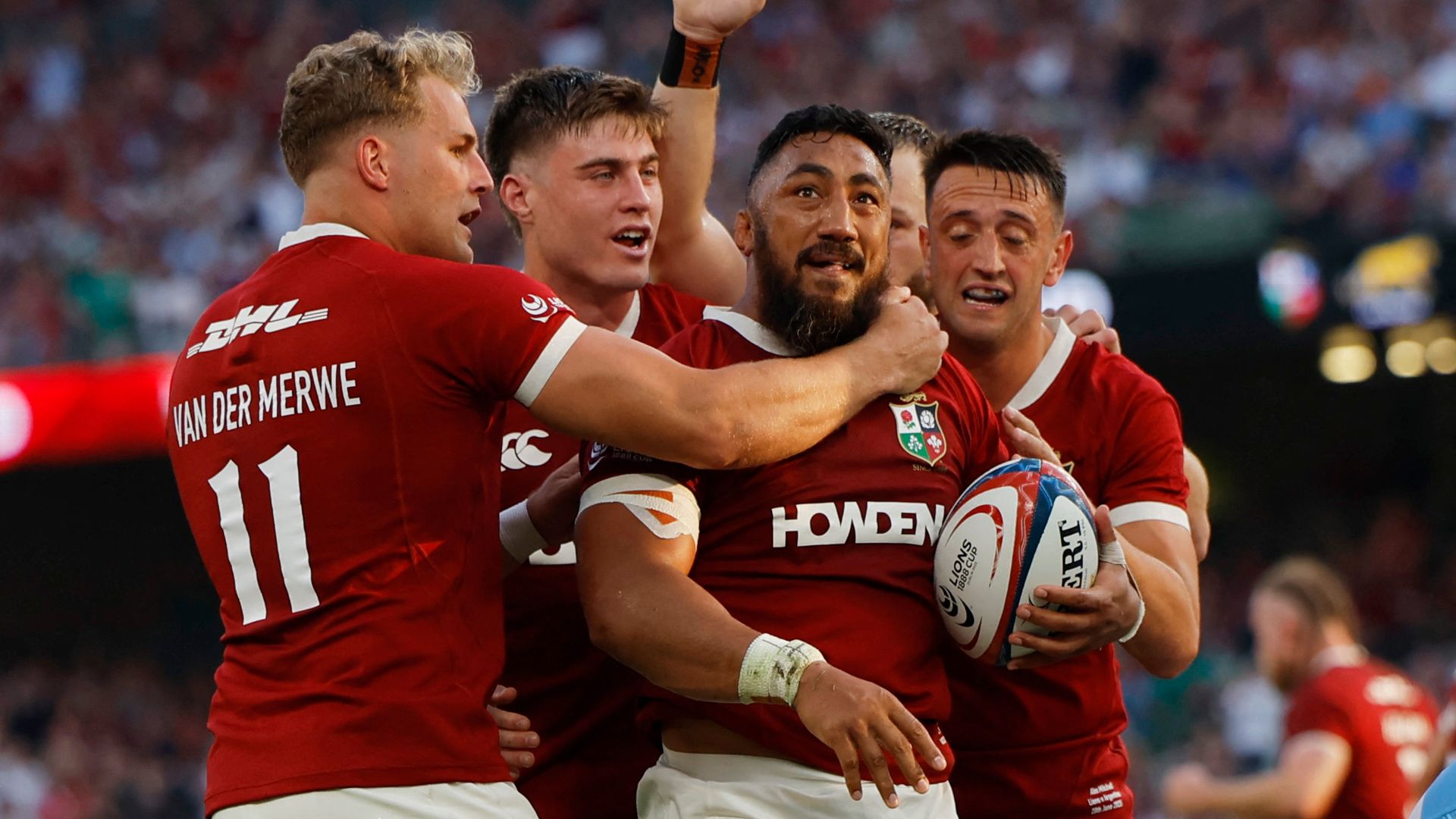
It's impossible to talk about Howden right now without mentioning the British & Irish Lions. When Howden signed on as principal partner for the Lions—replacing Vodafone—plenty of traditionalists in the London insurance market raised an eyebrow. Why would a B2B commercial insurance broker spend serious money plastering its logo across rugby jerseys?
Because visibility buys talent and trust.
In insurance broking, your entire business walks out the door every evening in loafers and brogues. Retaining top brokers and convincing independent agency owners to sell their life's work to you instead of Marsh or Gallagher comes down to brand prestige. Sponsoring the Lions instantly elevated Howden from "that fast-growing UK broker" to a household name across Britain and Ireland.
Pair that public brand recognition with institutional boardroom firepower, and you start seeing the full picture. David Howden isn't building a quiet, behind-the-scenes financial intermediary. He's building a flagship British global brand that can compete toe-to-toe with American incumbents—both on the pitch-side billboards and in the capital markets.
The Real Risks Behind Rapid Fundraising
Of course, rapid expansion backed by heavy fundraising isn't a guaranteed victory lap. Anyone who tells you otherwise hasn't spent enough time reading credit rating agency reports.
Insurance brokers love debt because their cash flows are remarkably sticky. Businesses have to buy insurance every year, regardless of whether the economy is booming or dragging. That recurring revenue allows brokers to carry higher leverage than almost any other service industry.
Still, higher interest rates over the past couple of years have made servicing massive debt loads much more expensive than it was during the zero-rate era. When a company like Howden goes back to the market to raise fresh funds—whether through new equity injections, debt refinancing, or a mix of both—investors ask tough questions:
- Are organic growth rates holding up once you strip out newly acquired businesses?
- How smoothly are overseas acquisitions actually integrating onto unified IT and compliance platforms?
- What happens to profit margins if commercial insurance premium rates soften across property and casualty lines?
This is precisely where an experienced former investment banker earns their board fees. Management teams are naturally optimistic; they have to be to build something big. A strong independent director acts as the designated skeptic in the room, forcing executives to answer those uncomfortable questions before institutional investors ask them in a pitch meeting.
How Howden Stacks Up Against the Global Giants
To appreciate why this fundraising and governance push is such a big deal, look at the competitive field. For decades, the global insurance broking market has been dominated by a handful of massive players—primarily Marsh McLennan, Aon, and Willis Towers Watson (WTW), alongside aggressive acquisitive challengers like Arthur J. Gallagher.
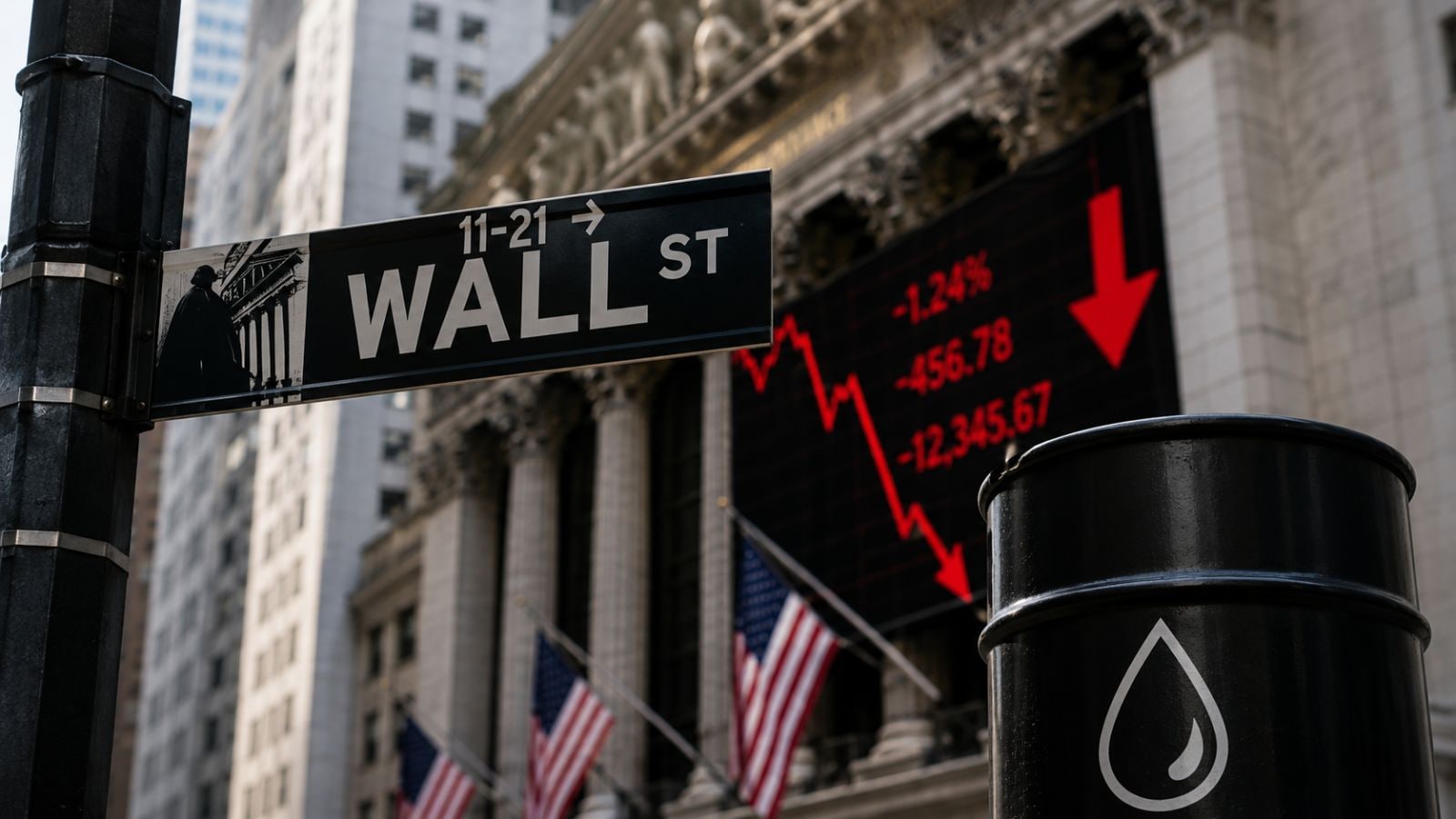
Most of those giants are headquartered in the United States and listed on the New York Stock Exchange. Howden stands out because it has remained privately held—backed by long-term institutional shareholders alongside substantial employee ownership—while headquartered in London.
Employee ownership has been Howden's secret weapon for attracting top talent frustrated by the bureaucracy of publicly traded rivals. Over 5,000 employees hold equity in the group. Keeping that entrepreneurial culture alive while simultaneously bringing in heavyweight corporate governance from the upper echelons of Goldman Sachs is a delicate balancing act.
Move too slowly on governance, and institutional lenders get nervous. Over-corporatize the boardroom, and you risk suffocating the exact entrepreneurial energy that fueled your growth in the first place.
What Investors and Industry Watchers Should Track Next
If you're following Howden's trajectory—whether as an insurance market insider, an institutional investor, or someone watching major UK corporate deals—don't just stop at the headline about a board appointment. Watch how the pieces connect over the coming months.
First, pay attention to the structure of the fundraising itself. A heavy tilt toward fresh equity from existing backers like General Atlantic or CDPQ signals confidence in long-term valuation growth without piling extra interest burdens onto the business. Conversely, a complex debt restructuring tells you the focus is squarely on extending maturities and lowering borrowing costs.
Second, watch the rest of the boardroom lineup. One former Goldman Sachs partner is a strong addition, yet it rarely happens in isolation. When a privately backed giant prepares for its next major capital milestone, you usually see a broader refresh of audit, risk, and remuneration committees follow closely behind.
Finally, keep an eye on the UK M&A pipeline. Howden's fundraising isn't sitting in a savings account collecting dust. Every pound raised is dry powder aimed at snapping up specialty brokers, managing general agents (MGAs), and international teams before competitors can lock them down.
Howden has spent thirty years proving it can out-hustle bigger rivals on the ground. Bringing Wall Street's sharpest boardroom discipline into the fold shows it plans to out-maneuver them in the capital markets too.