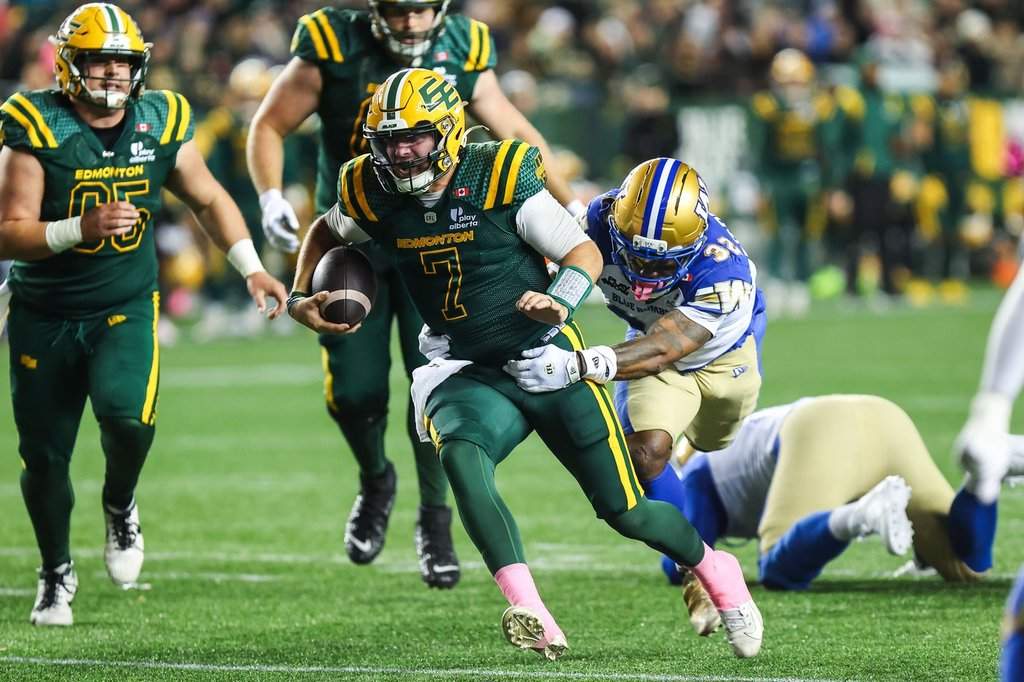
Hosting the CFL West Final sounds like a coronation. Usually, it is a hangover.
Every November, sportswriters and league executives treat a home division final like a guaranteed windfall and a free ticket to the Grey Cup. Look at the lazy consensus whenever a team like the Edmonton Elks clinches hosting duties: pack Commonwealth Stadium, ride the momentum of a loyal fanbase, pocket the gate receipts, and march to the championship.
That narrative is built on nostalgia, not math. Home field advantage in three-down football is far thinner than traditionalists admit, and the operational, psychological, and financial realities of hosting a November division final in Edmonton can quietly sabotage a Grey Cup run before kickoff even happens.
The Lazy Consensus Around Home Field Advantage
Ask any casual fan why hosting the CFL West Final matters and you will hear the same three talking points: the crowd noise, the cold weather, and the lack of travel. Each one sounds airtight until you stress-test it against how pro football actually works.
First, crowd noise in a massive stadium is a double-edged sword. Commonwealth Stadium holds over 50,000 people when opened up, though modern CFL crowds rarely push that ceiling in mid-November. Even when the bowl is loud, veteran quarterbacks and offensive lines operate on silent counts, hand signals, and tempo changes. Noise disrupts rookie cadence. It rarely breaks a seasoned division rival that has played in Edmonton multiple times a year.
Second, the "Edmonton weather" myth needs to be retired. Visiting West Division rosters from Calgary, Vancouver, Saskatchewan, and Winnipeg do not arrive wearing board shorts and flip-flops. Every single one of those teams practices and plays in late-autumn conditions. A 20 km/h wind chill or frozen turf at Commonwealth Stadium affects both offenses—especially kicking games, deep passing timing, and footing on artificial or natural surfaces—often compressing scoring and turning playoff games into coin-flip turnovers.
Third, travel in the CFL is not like crossing four time zones in the NFL. Flying from Vancouver or Winnipeg to Edmonton takes roughly ninety minutes to two hours in the air. Once charter logistics and hotel blocks are factored in, a road team can arrive a day or two early, stay focused in a controlled environment, and play with zero pressure to entertain a home crowd.
What Home Field Actually Changes
Home field advantage in the Canadian Football League is real, but it is marginal, not magical. Over decades of pro football research—from Hall of Fame coaches and front-office analysts to sports economists—home teams win roughly 55% to 60% of the time depending on the era and matchup quality. That is a slight edge, not a force field.
When a home team loses a division final, the postgame autopsy almost always sounds the same: tight execution, conservative play-calling, and a sudden inability to handle adversity in front of family, sponsors, and season-ticket holders. Playing at home can make a nervous team feel obligated to put on a show rather than execute a disciplined playoff game plan.
Why Edmonton Faces Unique November Pressures
The Edmonton Elks carry a weight that most franchises cannot fathom. For decades, the franchise was the gold standard of Canadian football—a dynasty machine that set attendance records and defined championship expectations in Alberta.
That legacy creates a specific kind of friction in November. When the Elks host the CFL West Final, the event is not just a football game. It is a civic referendum, a corporate hospitality marathon, and an emotional reunion for former players and alumni.
Ticket Sales vs. Football Focus
Front-office executives love hosting a division final because a home playoff date unlocks single-game revenue, suite sales, and sponsorship activations. On paper, hosting looks like a commercial win.
In practice, late-week distractions creep into the building. Players get hit up for extra tickets. Coaching staffs juggle media obligations, alumni appearances, and community events during a week that demands surgical precision. Even small leaks in concentration matter in a single-elimination game where one blown coverage or missed field goal ends the season.
A playoff game at home rewards preparation and punishes entitlement. The moment a locker room starts acting like the venue guarantees the outcome, the opponent already has an edge.
The Weather and Field Reality in Northern Alberta
November in Edmonton is unforgiving. Daylight fades early, temperatures can plunge below freezing quickly, and field conditions can shift from slick to rock-hard within hours.
Imagine a scenario where the Elks build their offense around vertical spacing, perimeter speed, and precision timing routes all season, only to wake up on game day to swirling gusts and patchy footing. Suddenly, the playbook shrinks. Field position and turnover margin take over. The team with the flashier skill players loses some of its separation advantage, while a physical, ball-control road team that came ready to grind thrives in the muck.
Hosting in Edmonton does not automatically give the home side a weather advantage; it forces both teams into a volatile environment where variance spikes.
Dismantling the "People Also Ask" Myths
Whenever a team like the Edmonton Elks is set to host the division championship, search feeds fill up with predictable questions. Most of them start from a flawed premise.
"Does hosting the West Final guarantee a better shot at the Grey Cup?"
No. It gives you one game at home against a battle-tested opponent that likely just survived a grueling Western Semi-Final. In single-elimination sports, "a better shot" is still a coin flip if your execution dips by five percent. Road teams win division finals all the time because they treat the trip as a business trip with clear boundaries and zero civic noise.
"Is home field advantage bigger in the CFL than in the NFL?"
Not automatically. The wider CFL field—110 yards long by 65 yards wide, with 20-yard end zones—creates massive horizontal space for offenses to attack. Wide receivers have room to operate, returners have lanes, and momentum swings happen fast. Crowd noise cannot easily stop a well-timed slotback seam or a blown assignment in open space. Discipline and matchups dictate outcomes far more than decibels.
"Should a team prioritize rest or momentum heading into the division final?"
Neither is a cure-all without roster health and game-plan clarity. A bye week or home game helps banged-up veterans heal bruises and lets coaching staffs clean up penalties. Yet teams coming off a playoff win often enter the West Final sharper, faster, and emotionally dialed in. Rest without urgency produces rust; momentum without recovery produces fourth-quarter fatigue.
Battle Scars From Chasing the Wrong Metrics
I have watched sports organizations and businesses blow millions chasing surface-level wins while ignoring structural vulnerabilities. In sports, executives routinely celebrate attendance spikes, playoff hosting rights, or splashy offseason signings as proof that the franchise is "back."
I have seen franchises pour resources into event hype while neglecting depth on the offensive line, special teams coverage, or third-down defensive discipline. When November arrives and the margin for error shrinks to a single possession, glossy marketing cannot block a blitz or cover a punt.
Where My Contrarian View Has Real Downsides
Let's be honest about the trade-offs of pushing back on the home-field hype. There are real downsides to treating hosting lightly.
First, playing in front of a hostile road crowd in Vancouver, Calgary, Regina, or Winnipeg is genuinely tough. Dealing with away travel, unfamiliar locker rooms, and opposing fan energy is a real hurdle, especially for younger players.
Second, hosting a division final genuinely matters for club finances and community energy. A packed stadium in November energizes the city, rewards loyal supporters, and brings vital revenue into a league model where gate receipts and local engagement count. Pretending hosting has zero value would be just as lazy as pretending it guarantees a Grey Cup.
The real mistake is confusing a favorable setting with a finished job.
What Smart Teams Actually Do in Playoff Week
If you run a football operation—or lead any high-stakes organization entering a decisive stretch—stop worshipping the perk and start auditing the friction it creates.
- Lock down the schedule early. Cut off non-essential appearances, ticket requests, and side distractions by Tuesday of game week. Protect the locker room's mental bandwidth.
- Game-plan for ugly conditions. Even if the forecast looks decent, script high-percentage drives, safe ball security, and situational kicking decisions that hold up in wind, cold, or sloppy footing.
- Coach to attack, not protect. Home teams often play not to lose once they get a lead. Keep the playbook aggressive on early downs so you do not hand momentum back to a desperate road team.
- Measure real levers. Track turnover differential, red-zone efficiency, penalty yards, and third-down conversion rates—not decibel levels or pregame hype.
The Real Question Before Kickoff
Stop asking whether the Edmonton Elks deserve to host the CFL West Final. Ask whether they are built to survive the pressure that comes with it.
A home field only helps a team that stays sharp when the spotlight gets hottest. Win the hidden yardage, keep your composure when the game gets messy, and treat Commonwealth Stadium like a neutral test of execution. Otherwise, hosting the West Final is just a front-row seat to someone else's celebration.