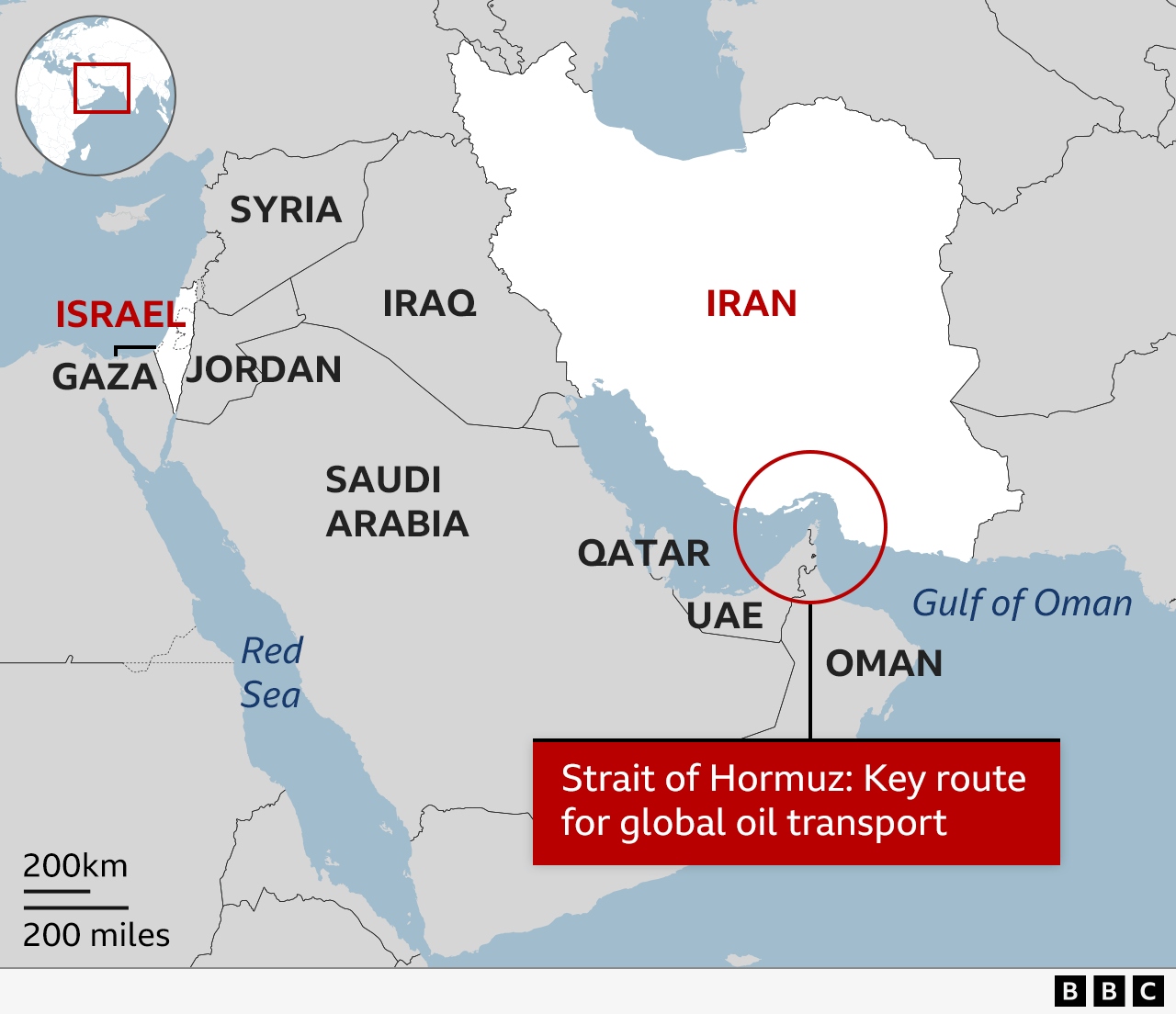
Tokyo is selling a fantasy. When the Prime Minister stands before a podium and promises "all diplomatic efforts" to secure the Strait of Hormuz, he isn't describing a strategic reality. He is performing a ritual. It is a performance designed to soothe nervous markets and project an image of a proactive Japan that simply does not exist in the theater of maritime security.
The mainstream media laps it up. They frame these statements as a sign of leadership or a crucial pivot in Middle Eastern relations. They are wrong. Diplomacy without a credible shadow of force is just loud wishing. Japan’s reliance on the "goodwill" of regional actors and the protection of the U.S. Navy is a structural weakness, not a diplomatic strategy.
The Myth of the Diplomatic Shield
The "lazy consensus" among analysts is that Japan’s pacifist constitution and its historical neutrality make it a uniquely qualified mediator. This is a fundamental misunderstanding of how power works in the Persian Gulf. In a waterway where $1.2$ billion barrels of oil pass through annually, respect is earned through kinetic capability, not polite memos from the Kantei.
Iran and its regional rivals do not make concessions because a Japanese envoy arrives with a sincere smile. They make concessions when the cost of escalation becomes unbearable. Japan, by its own legal design, cannot impose that cost. When Tokyo vows "diplomatic efforts," what they really mean is "we are going to ask the Americans to keep the lights on while we send a few strongly worded faxes."
I have spent years watching trade delegations navigate these waters. I have seen Japanese logistics giants bleed cash on insurance premiums because the "diplomatic shield" failed to prevent a single limpet mine attack. The reality is that Japan is a passenger in its own energy security.
The Arithmetic of Vulnerability
Let’s look at the numbers the competitor articles ignore. Japan imports roughly 90% of its crude oil from the Middle East. Over 80% of that passes through a choke point that is only 21 miles wide at its narrowest.
$$V = \frac{D}{C}$$
If we define Vulnerability ($V$) as Dependency ($D$) divided by Control ($C$), Japan’s score is off the charts. They have near-total dependency and zero operational control.
The standard response is to suggest "diversification." It's a buzzword that ignores the chemistry of Japan’s refineries. You cannot simply swap heavy Saudi crude for light American shale without spending billions and years on infrastructure retrofitting. Japan is locked into the Hormuz trap. Diplomacy is not the key to the trap; it is the lubricant that makes the lock feel less rusty.
Why the Maritime Self-Defense Force Deployment is a Distraction
To look busy, Tokyo often dispatches a single destroyer or a patrol plane to the Gulf of Oman—carefully avoiding the Strait of Hormuz itself to avoid "provocation." This is the geopolitical equivalent of a "security system" sticker on a window when the door is wide open.
- Information Gathering: The official mission is "survey and research." In the age of satellite imagery and real-time transponder tracking, sending a multi-billion yen warship to "see what's happening" is an expensive redundancy.
- The Rules of Engagement: Even if a Japanese tanker were under active fire, the legal hurdles for an MSDF vessel to intervene are so high that the ship would likely be a sinking wreck before the paperwork was cleared in Tokyo.
This isn't just my opinion. Ask any naval officer off the record. They know the mission is a political sedative, not a military deterrent. It exists to satisfy Washington’s demand that Japan "do something" while ensuring Tokyo doesn't actually have to fight.
The China Factor No One Mentions
While Japan plays the role of the polite solicitor, China is building a permanent footprint. Beijing doesn't just talk about "diplomatic efforts." They build ports. They sign 25-year strategic cooperation agreements. They provide the hardware.
The competitor's focus on Japan’s diplomacy ignores the fact that Japan is being outplayed in the very region it depends on for survival. China’s "Blue Water" ambitions mean they will eventually be the ones offering "protection" to tankers in the Strait. When that happens, Japan’s diplomatic influence will vanish. You cannot mediate a conflict when you are no longer the most important customer or the most feared neighbor.
The High Cost of the Middle Path
There is a downside to this contrarian view: the alternative is terrifying for the Japanese public. Truly securing the Strait would require a massive rearmament, a constitutional overhaul, and a willingness to take casualties. It would mean ending the "free rider" era of the last seven decades.
But pretending that a middle path exists—where Japan remains a pacifist merchant state while the most volatile waterway in the world remains open through the sheer power of "sincerity"—is a lie.
Investors shouldn't be looking at the Prime Minister’s speeches. They should be looking at the skyrocketing cost of "War Risk" insurance for Japanese-flagged vessels. That is the only honest metric of how well the diplomacy is working. The market knows what the politicians won't admit: the Strait is a hostage, and Japan is the one paying the ransom.
Stop Asking if Diplomacy Will Work
The premise of the question is flawed. People ask, "Can Japan’s diplomacy keep the Strait open?" The answer is irrelevant because diplomacy isn't what's keeping it open now. The U.S. Fifth Fleet and the mutual desire of oil producers not to go bankrupt are the only things holding the line.
Japan's "diplomatic effort" is actually a hedging strategy. It’s about maintaining a line of communication with Tehran so that when—not if—the next crisis hits, Japanese assets might be the last ones targeted. It’s not about regional peace. It’s about "please don't hit us first."
It is time to stop praising the "balance" of Japanese foreign policy. It isn't a balance; it's a tightrope walk over an abyss, and the rope is fraying.
Japan doesn't need more envoys. It needs a cold-blooded assessment of its own irrelevance in a conflict it cannot influence. Every yen spent on these diplomatic tours would be better used on strategic reserves and a radical acceleration of nuclear restarts.
The Strait of Hormuz is a tactical nightmare that diplomacy cannot solve. Stop listening to the speeches and start watching the tankers. They are the only ones telling the truth.



