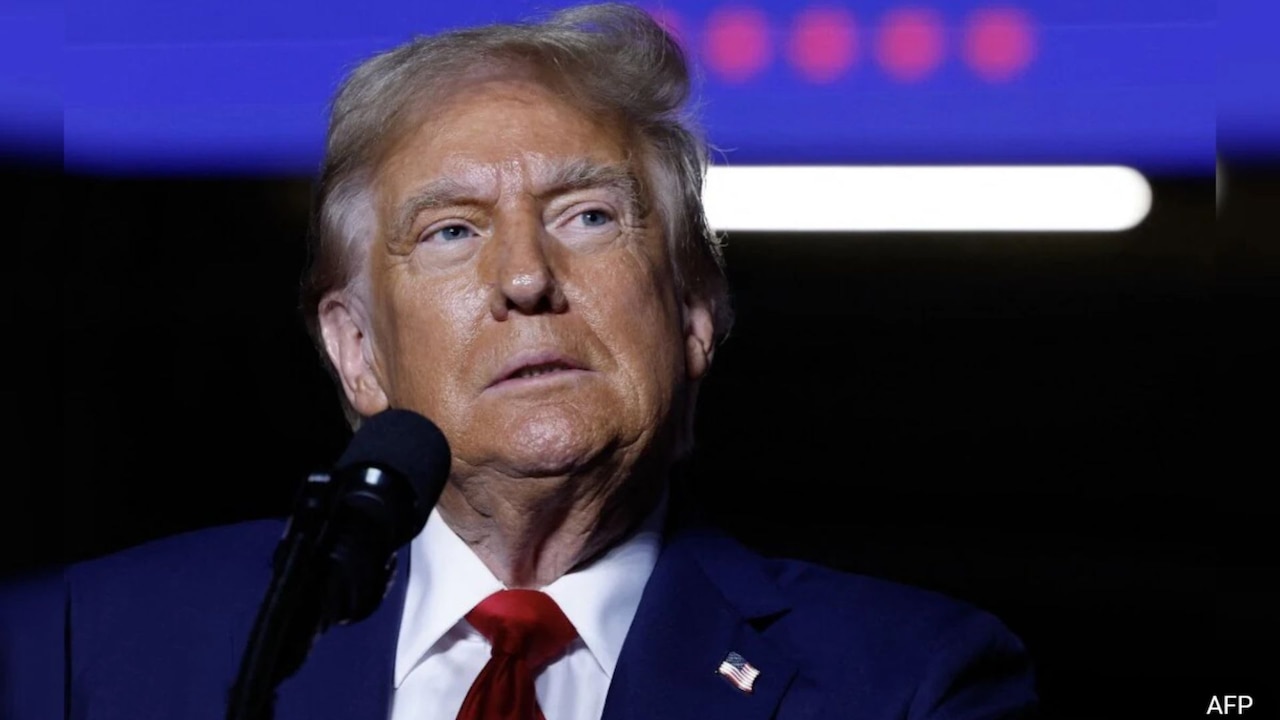
The Ulchi Freedom Shield exercise was designed to be a display of absolute military readiness, a bulwark against regional instability that was supposed to run for eleven days. Instead, the drills are ending six days ahead of schedule. The order from President Donald Trump to strip the exercise to its skeleton is not merely a tactical adjustment. It is a loud signal that the foundational agreement between the United States and South Korea is fraying under the weight of transactional diplomacy.
By forcing a premature conclusion to the second phase of the exercises, which were slated to simulate counteroffensive operations against North Korean aggression, the administration has abandoned a critical component of deterrence. When training for counterattacks is pulled from the agenda, the muscle memory required to respond to a kinetic conflict fades. Military commanders understand that readiness is perishable. It requires constant, high-intensity repetition. By converting these operations into simulations or canceling them entirely, the allies are trading long-term security for a fleeting hope of diplomatic favor with Pyongyang.
The official line from the Pentagon maintains that essential objectives remain intact. This is bureaucratic language for "we are making do with less." While simulations provide a baseline for coordination, they cannot replace the friction of live, field-based training. You cannot digitize the chaos of a real-world battlefield, and you certainly cannot simulate the psychological edge that soldiers gain when working alongside their international counterparts in harsh, unpredictable conditions. The move creates a void that North Korean leadership is undoubtedly watching with keen interest.
There is a secondary, perhaps more jarring, motive behind this decision. Reports indicate that the White House is using these exercises as a pressure point, linking the defense of the Korean Peninsula to South Korean cooperation in a separate conflict involving Iran. This is a radical shift in how the United States treats its oldest security guarantees. Historically, the alliance was treated as a fixed asset, a non-negotiable commitment to regional peace. Now, it is being treated as a bargaining chip.
This transactional posture invites a dangerous uncertainty. If the security umbrella is subject to the whims of secondary foreign policy objectives, then South Korea’s leadership is forced into a corner. They must choose between their immediate defense needs and aligning with a Washington that views their regional security as an extension of other, unrelated battles. This explains the palpable anxiety in Seoul. President Lee Jae Myung’s recent rhetoric regarding military independence is not a sudden whim; it is a calculated response to the reality that the United States is becoming an unpredictable partner.
The skepticism from regional experts is grounded in history. When military exercises are gutted after they have already begun, it signals a loss of strategic coherence. In previous decades, adjustments were made well in advance, allowing the command structure to pivot. An abrupt cut like this leaves units in the field—and their commanders in the command post—without the necessary focus. It destabilizes the chain of command. If the objective is to bring Kim Jong Un to the table, this specific method is arguably self-defeating. Pyongyang has long sought the total dissolution of these drills; scaling them back while they are in progress confirms that pressure tactics are working.
The long-term cost of this decision is not just in readiness, but in credibility. When you tell an ally that their primary defense mechanism is "hostile" and "costly," you diminish the value of your own security commitments. If the United States treats the defense of the Pacific as a luxury item to be pruned for cost-saving or diplomatic optics, others in the region will inevitably seek alternatives. Some voices in Seoul are already discussing the necessity of an independent nuclear deterrent. That conversation is a direct consequence of the frayed trust occurring today.
We are watching the slow unraveling of a post-war security structure. As the drills wind down on Friday, the vacuum they leave behind will not be filled by peace. It will be filled by the opportunistic maneuvering of regimes that are currently observing exactly how thin the American commitment has become. The alliance is not yet broken, but it is deeply compromised, and the damage done this week will echo far beyond the Korean Peninsula.


