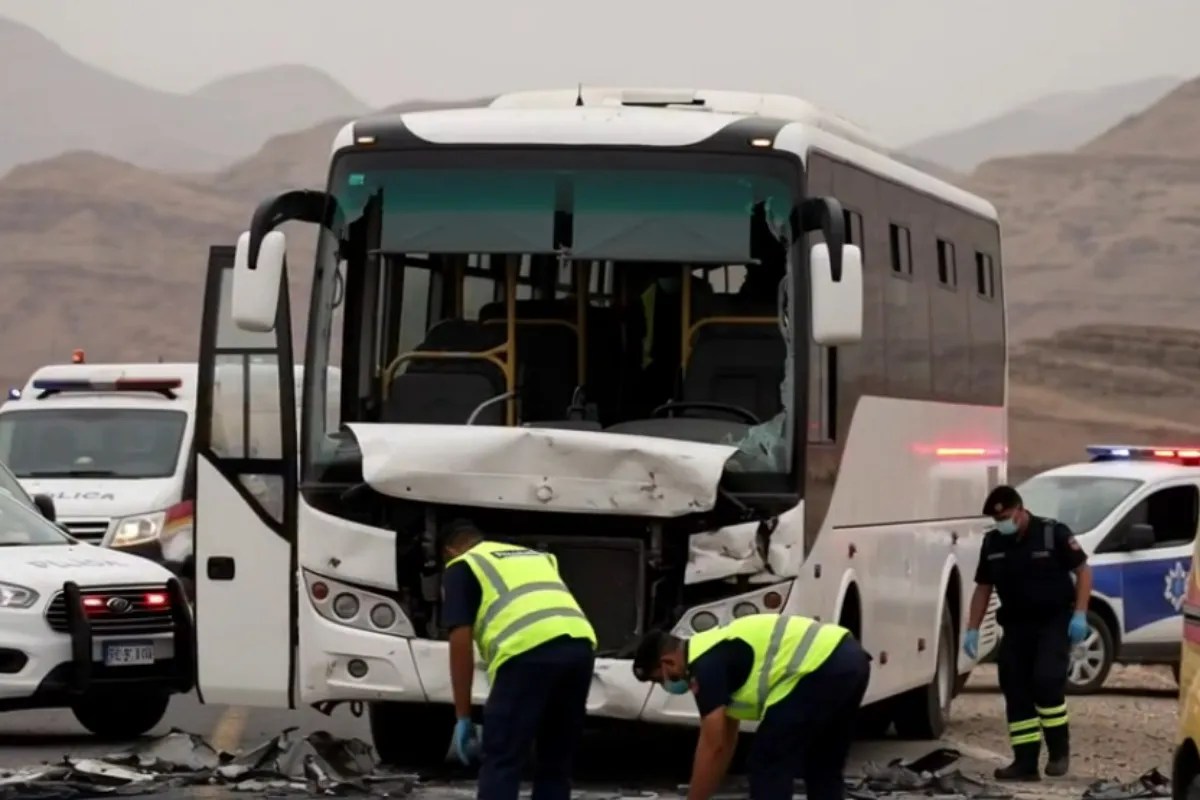
The asphalt on Egypt's desert highways remembers everything. It absorbs the scorching midday heat, the exhaustion of overnight haulers, and the silent prayers of millions commuting between ambition and home. Every stretch of road tells a story of movement, of families stretching across vast expanses, trusting that metal and rubber will safely bridge the distance.
Then, the tires lock.
Dust rises like a curtain falling mid-play. Metal groans against metal, a brutal, violent sound that shatters the quiet morning air. In a single, fraction-of-a-second catastrophe, life pivots from ordinary routine to irreversible tragedy.
Sixteen souls. Gone.
Twenty-eight bodies fractured, bruised, and rushed into the chaotic, frantic corridors of local hospitals.
These are not merely statistics scrolling across a morning news ticker. They were mothers holding shopping bags, fathers tracking the hours until they could embrace their children, students carrying notebooks filled with tomorrow's dreams. When a transport vehicle careens off course on the asphalt veins of North Africa, the shockwaves tear straight through the heart of communities that rely entirely on these roads to survive.
Consider the human cost of haste and hazard.
Transportation across Egypt is a sprawling, relentless machine. Millions depend on buses, microbuses, and shared transport to navigate the sprawling geography between major urban hubs and rural outposts. Speed is a constant temptation. Infrastructure struggles under the weight of relentless transit. When an accident of this magnitude strikes, it exposes the fragile thread holding daily existence together.
Families woke up to silence where phone calls should have been.
Imagine waiting by a kitchen table. The tea gets cold. The television hums in the background, broadcasting breaking headlines about a horrific collision on a desolate stretch of road. You check your phone. No message. You dial a number that rings endlessly into the void. That specific, sickening drop in the stomach is the true geography of this disaster. It lives in hospital waiting rooms where fluorescent lights hum above weeping relatives clutching identity cards and photographs.
Emergency responders arrived to a scene of utter devastation. Twisted frames, shattered glass, personal belongings scattered across the dirt like confetti after a celebration gone horribly wrong. Paramedics moved with desperate urgency, sorting through the wreckage where every second counted down against human frailty. Ambulances wailed into the distance, carrying the wounded toward a grueling recovery while morgues prepared for the heavy burden of the fallen.
Accidents like this force an uncomfortable reckoning. They strip away our comfortable illusions about safety and control. We move through the world assuming that tomorrow is guaranteed, that the commute will end with a front door opening and a familiar voice calling out hello.
Yet, behind every major highway disaster lies a complex web of systemic vulnerabilities. Driver fatigue, mechanical wear and tear, enforcement gaps on speed limits, and the sheer density of vehicles pressing down on aging infrastructure all contribute to the grim tally. These are the invisible weights pressing down on every journey.
We look at the numbers. Sixteen dead. Twenty-eight injured.
We nod, turn the page, and get into our own cars, boarding our own buses, hoping the statistics will pass us by. But the memory of the wreckage lingers in the dust kicked up by passing trucks. It breathes in the heavy night air of the desert highway.
Safety must become more than a policy debate or a temporary headline. It has to become a promise kept to every person who steps foot onto public transit, trusting strangers with their lives.
The road stretches ahead, long and unforgiving under the blinding sun. Somewhere out there, a bus moves forward, carrying passengers toward their futures, bearing the silent, persistent hope that every journey ends safely at home.


