The neon lights of Kowloon reflect off the water like shattered glass. From a high-floor boardroom in Central, the view is spectacular, but the air inside is thick with calculation. A local logistics manager, let’s call him Arthur, watches the container ships slide across the dark water. For years, Arthur’s livelihood has depended on the predictable flow of global trade. Lately, that predictability has vanished. The city feels caught in a permanent holding pattern, squeezed between the shifting tectonic plates of Washington and Beijing.
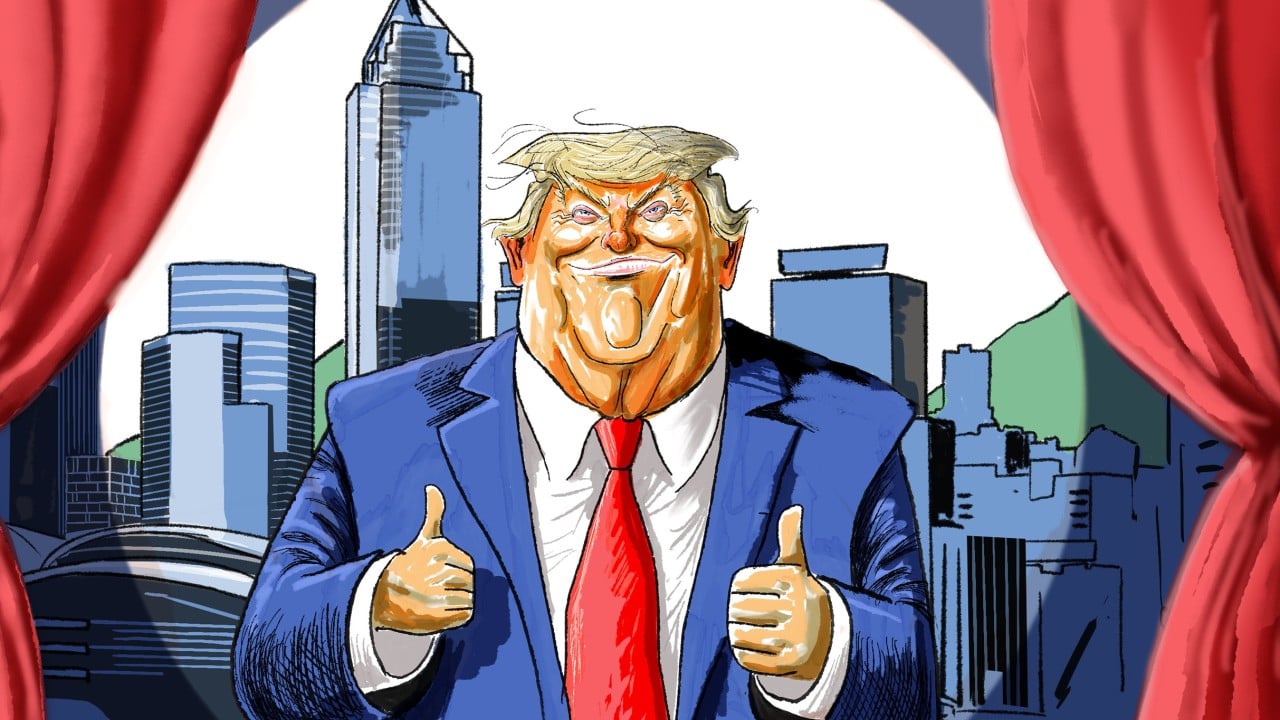
Then a rumor ripples through the financial district, absurd at first, then electric. Donald Trump might visit Hong Kong. Discover more on a connected subject: this related article.
On paper, the idea sounds chaotic. Critics would call it a media circus or a diplomatic nightmare. But look closer at the board. Step away from the dry policy papers and the predictable talk-tank analysis. A high-profile American presidential visit to this specific piece of land would not be a mere photo opportunity. It would be a calculated, high-stakes gambit. A strategic masterstroke.
To understand why, you have to feel the current anxiety running through the city's veins. Hong Kong has always thrived on being the indispensable bridge. It was the place where Western capital met Chinese manufacturing, protected by a unique legal framework. When that bridge feels unstable, the whole world wobbles. Arthur feels it every time a shipping tariff changes or a new compliance law lands on his desk. Further analysis by TIME delves into similar views on the subject.
What happens when a dominant American political figure steps directly into this delicate ecosystem?
First, it forces an immediate reset of the narrative. For the past several years, global media has written Hong Kong off as a closed chapter, a city absorbed entirely into the mainland's shadow. A visit from Trump shatters that assumption. The international spotlight would swing back with blinding intensity. You can almost see the media scrum crowding the tarmac at Chek Lap Kok airport. Camera flashes reflecting off the tarmac. The world watching.
This is not about endorsing a specific ideology. It is about the raw mechanics of leverage.
Consider the leverage dynamic from Beijing's perspective. The Chinese leadership values stability and predictability above almost all else. A sudden, unscripted American presence in their primary financial gateway creates a massive variable. It reintroduces Hong Kong as a dynamic bargaining chip in the broader superpower rivalry. Suddenly, the city is no longer just a domestic administrative issue; it is a live geopolitical stage.
For the business community, the psychological shift would be profound. Capital is notoriously cowardly. It flees at the first sign of stagnation. But capital also loves access. A direct engagement of this scale signals that Hong Kong remains too important to ignore. It reminds global investors that the city is still the arena where the world's most consequential deals are struck.
Arthur shifts his gaze from the window back to his spreadsheets. If the Americans are talking, if the Chinese are hosting, then the trade routes stay open. The worst-case scenario—total economic decoupling—recedes.
The true genius of such a move lies in its unpredictability. Traditional diplomacy is a slow, bureaucratic dance. It involves months of lower-level meetings, carefully vetted statements, and incremental progress that rarely changes the status quo. It is safe. It is also largely ineffective when relations have soured to the point of freezing. A dramatic, disruptive event breaks the ice. It forces both sides to react in real-time, stripping away the rehearsed talking points.
Imagine the optics of a meeting in the heart of the city. Two competing worldviews, physically present in a territory defined by its dual identity. The symbolism alone would redefine trade negotiations for a generation. It would signal to the global markets that despite the fierce rhetoric, neither side is ready to tear down the bridge entirely. They are still willing to negotiate on the fault line.
The stakes are invisible but massive. They are measured in the confidence of foreign bank branches keeping their regional headquarters in Central. They are measured in the resilience of the Hong Kong dollar's peg to the greenback. They are measured in the quiet relief of logistics managers who realize their supply chains will survive another quarter.
The city has always been a place of reinvention. It survived financial crises, colonial transitions, and global pandemics by being sharper, faster, and more adaptable than the competition. It is a city built on the art of the deal.
As the ferry horns echo across the harbor, the neon signs continue to flicker. The boardroom remains quiet, but the math has changed. The world thinks the future of geopolitics is written in sterile policy briefs drafted in Washington or Beijing. The reality is far more human, far more volatile, and far more exciting. The future is written by those willing to walk right up to the edge of the map, look at the chaos, and see an opening.