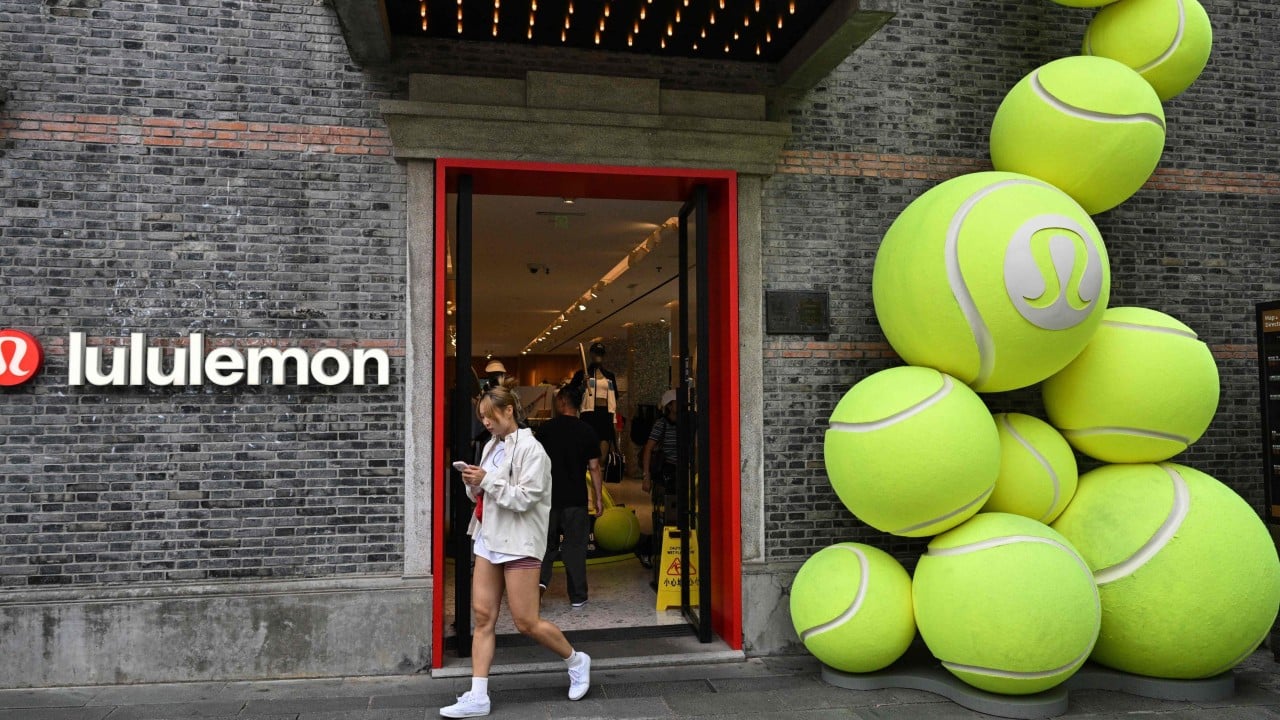
Paying 1,000 RMB for a pair of leggings used to be a status symbol in Shanghai and Beijing. Not anymore. The premium yoga apparel market in China is hitting a wall, and the brands that built their empires on the back of the urban middle class are feeling the squeeze.
If you think this is just a temporary dip in retail numbers, you're missing the bigger picture. The entire psychology of the Chinese consumer has shifted. People aren't flashing cash just to show they can afford an imported logo. They're looking at the price tag, looking at the stitching, and asking a very uncomfortable question for luxury activewear executives: Is this actually worth it?
The Great Premium Slowdown
For years, China was the golden goose for high-end activewear brands. While growth flattened out in North America, Western premium labels looked to Chinese malls to pick up the slack. But the latest data from Shanghai-based consulting firm Meritco Services shows a harsh reality: same-store sales growth for premium yoga apparel at sampled Chinese shopping malls dropped 4% year on year in May, following a 3% dip in April and a 6% slide in the first quarter.
It turns out that middle-class shoppers are tightening their belts. It's not that they stop exercising; they just stop buying into the hype. The consumer behavior we're seeing right now centers on practical value. When times get tight, the desire to spend a massive chunk of a paycheck on a piece of stretchy fabric evaporates quickly.
Local Brands Grew Up Fast
While foreign premium brands are busy issuing apologies for public relations blunders—like a recent misjudged marketing event on the Great Wall that triggered a massive social media backlash—local Chinese companies are eating their lunch. Domestic sportswear giants like Anta and Li-Ning, along with agile local direct-to-consumer labels, are closing the quality gap at a fraction of the cost.
I remember talking to a yoga studio owner in Shenzhen who noted that three years ago, her classes were a sea of identical imported logos. Now, her students are rocking homegrown brands like Maia Active or Neiwu. They look just as good, they perform just as well, and they don't cost a fortune.
The tech behind these garments is no longer a secret. High-elastic nylon 66, performance polyester blends, and advanced seamless knitting technologies are widely available to domestic manufacturers. When the material and design feel exactly the same, paying a 300% premium for a Western brand starts to look silly to the average consumer.
Yoga Subtraction and Outdoor Addition
Another problem is that consumer tastes are splintering. Yoga is no longer the undisputed king of urban wellness. Middle-class professionals are moving fast into other activities like tennis, Hyrox fitness competitions, and outdoor hiking.
According to data from Deutsche Bank's research team, shoppers are diversifying their leisure pursuits, meaning they need gear that can handle a rugged trail, not just a climate-controlled studio. Look at how Arc'teryx became the ultimate status symbol for Chinese office workers. A survey by Digital 100 showed that 74% of consumers wear outdoor sportswear for their daily commute. Sportswear isn't just for the gym anymore; it's the new corporate uniform, and traditional yoga gear isn't versatile enough to keep up.
How to Survive the Shift
If you're trying to sell athletic apparel in China right now, you have to throw out the 2022 playbook. The "build it and they will pay premium prices" strategy is dead. Here is what actually works in the current market.
First, fix your pricing hierarchy. You can't rely solely on a flagship $100 item anymore. Brands need mid-tier offerings that capture price-sensitive shoppers without completely degrading the core brand identity.
Second, focus on hyper-local cultural alignment. Western brands keep hitting landmines in China because they don't understand local nuances. Hire local creative directors who actually live the lifestyle in Tier 1 and Tier 2 cities.
Third, lean into multi-functional utility. The market wants garments that transition from a morning commute to an evening run or a weekend hiking trip. Softness alone is no longer a selling point; structural durability and weather resistance matter.
The gold rush era is over. The brands that win the next round will be the ones that respect the intelligence—and the wallets—of the Chinese consumer. Stop selling pure lifestyle fantasy and start delivering undeniable product value.