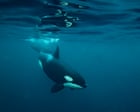
An unprecedented surge in orca sightings along the Northumberland coast has left marine biologists scrambling for answers. For decades, these massive apex predators were an extreme rarity in the southern North Sea, but recent encounters—including a massive pod of up to thirty whales breaching near the Farne Islands—prove their presence is no longer an anomaly. The sudden shift points toward a dramatic reorganization of marine food webs rather than a simple behavioral quirk. While tourists celebrate the spectacular displays, the underlying driver reveals an environmental reckoning happening just beneath the waves.
The Shift in the North Sea Hunting Grounds
Commercial fishermen working the waters off Seahouses and Beadnell spent generations without ever seeing a single black-and-white dorsal fin. That changed permanently over the last four consecutive years. What started as isolated reports of a few scattered individuals has escalated into large, organized pods hunting dangerously close to the shoreline.
Northumberland Orca Sighting Trend (2023–2026)
---------------------------------------------
2023: Scattered, brief individual sightings
2024: Multiple small pods identified near shore
2025: Pod of 6–8 hunting grey seals for days
2026: Record pod of 20–30 individuals reported
The sheer scale of the recent pods complicates the narrative. A massive group of twenty to thirty whales moving through these relatively shallow waters indicates a major behavioral departure from historical migration routes. In the past, the only notable resident killer whales in British waters belonged to the critically endangered West Coast Community, a group of just eight individuals that stays primarily around western Scotland and Ireland. The animals showing up off the coast of northeast England are different. Photo identification sent to researchers in the Shetland Islands indicates that these are entirely different pods, likely migrating down from deeper northern waters.
A critical factor drawing these predators south is the dense concentration of prey around the Farne Islands. The islands host an established colony of roughly six thousand grey seals. For an opportunistic apex predator, this represents an incredibly concentrated source of high-calorie fat. Observers have documented adult whales teaching calves how to corral and hunt grey seals right off the rocks of Beadnell. This cooperative hunting behavior suggests the pods are not just passing through by accident. They are actively mapping new feeding territories and passing that geographical knowledge down to the next generation.
The Seductive Narrative of Ecosystem Recovery
It is easy to look at the return of a top-tier predator and declare it a triumph for marine conservation. Many local operators and casual observers assume that more whales must mean a cleaner, healthier ocean. That conclusion is comforting, but it overlooks a much darker ecological possibility. Predators do not always expand their range because their environment is thriving. Sometimes, they move out of sheer desperation.
The North Sea remains one of the most heavily utilized and industrialized bodies of water on earth. British waters are notorious for high concentrations of legacy chemical pollutants like polychlorinated biphenyls. These industrial chemicals bioaccumulate up the food chain, settling in the blubber of long-lived apex predators. The resident West Coast Community has not produced a viable calf in more than two decades due to the sterilizing effects of this toxic buildup. If the northern pods currently visiting Northumberland are facing similar reproductive pressures or a collapse of fish stocks in their traditional hunting grounds around the northern islands, their exploratory behavior might be a search for survival rather than a sign of a booming population.
Environmental researchers emphasize that orcas are highly intelligent, culturally complex animals. When a traditional food source disappears—whether due to rising sea temperatures shifting fish distributions or overfishing in the deep Atlantic—the older matriarchs that lead these pods use their extensive memory to seek out alternative hunting grounds. The abundance of grey seals in Northumberland offers an immediate alternative, but the migration itself could be a symptom of ecological stress further north.
The Sandeel Ban and the Bottom Up Domino Effect
To truly understand why these massive marine mammals are suddenly lingering within sight of English beaches, one must look at the very bottom of the marine food chain. In early 2024, a sweeping government ban on sandeel fishing went into effect across English waters of the North Sea. For decades, commercial industrial trawlers scraped up hundreds of thousands of tons of these tiny, shimmering fish to be ground down into animal feed and fertilizer.
The removal of that industrial pressure has triggered an immediate, observable domino effect through the marine ecosystem.
- Sandeel Recovery: The ban allowed sandeel populations to stabilize and recover in key sandbanks along the northeast coast.
- Forage Fish Surges: With fewer sandeels removed by trawlers, larger predatory fish like mackerel and herring have flooded into the area to feed on them.
- Apex Attraction: The sudden abundance of schooling fish attracts both grey seals and multiple pods of dolphins, which in turn draws the largest predators in the ocean.
Local boat operators have noted a massive increase in mackerel and herring numbers alongside the orca sightings. This bottom-up resurgence provides an ideal environment for marine mammals. The presence of the whales might well be a direct validation of the sandeel ban, proving that removing human industrial pressure from the base of the food chain can rapidly alter the behavior of animals at the very top.
The Reality Behind the Data Illusion
Any modern investigative analysis of wildlife trends must account for the distorting effect of technology. We live in an era where every fisherman has a high-definition camera in their pocket and every tourist boat is equipped with sonar and instant social media access. A whale that breached unnoticed forty years ago is now recorded, uploaded, and logged across international whale-watching databases within minutes.
This surge in documentation can create an illusion of a sudden population explosion where none exists. Marine scientists from the University of St Andrews caution that increased reporting via social media accounts for at least a portion of the rising trend. More people are looking for the whales, more commercial tours are operating out of places like Seahouses, and the information spreads instantly.
However, the data cannot be dismissed as pure observer bias. The size of the pods seen in 2026—groups of thirty whales including massive six-ton bulls with towering two-meter dorsal fins—cannot simply hide from history. Even the most unobservant coastal communities of the twentieth century would have noticed a pod of thirty killer whales hunting seals near the shore. The physical presence of these specific animals in these specific coordinates is undeniably real.
Industrial Conflict in the New Feeding Grounds
The return of these predators introduces immediate economic and logistical friction to the Northumberland coast. The local economy relies heavily on both traditional shellfishing and rapidly growing wildlife tourism. For boat tour companies, the whales are an absolute goldmine. Operators report massive spikes in booking requests from tourists eager to catch a glimpse of a whale breaching near the Longstone Lighthouse.
For the local grey seal population and the ecosystem balance, the situation is much more volatile. The Farne Islands seal colony has enjoyed decades of relative safety from large cetacean predators. A sustained presence of mammal-eating orca pods could drastically alter seal behavior, forcing them to spend less time foraging and more time hauled out on the rocks to avoid predation. This behavioral shift, known as the landscape of fear, ripples down through local fish populations that the seals normally hunt.
+------------------------+
|   Sandeel Fishing Ban  |
+-----------+------------+
            |
            v
+------------------------+
| More Mackerel & Herring|
+-----------+------------+
            |
            v
+------------------------+
| More Seals & Dolphins  |
+-----------+------------+
            |
            v
+------------------------+
|  Orca Pods Specialize  |
+------------------------+
There is also the quiet, uncomfortable reality of human-wildlife interaction. As tourist vessels crowd around these pods to capture viral footage, the risk of disturbing the animals increases. Responsible operators turn off their echo sounders and keep a respectful distance, but the temptation to get closer for the perfect shot puts intense pressure on the whales. If these pods are already stressed by shifting ocean conditions, the added noise and physical obstruction from dozens of small vessels could push them away from this newly discovered sanctuary, proving once again that our curiosity can be just as damaging as our industry. The whales are adapting to a changing ocean, and the human communities along the coast will have to adapt just as quickly to share it with them.