The boardroom air always smells faintly of recycled oxygen and expensive oud. Outside the floor-to-ceiling glass, Doha shimmering under a midday heat haze looks less like a city and more like a mirage constructed from steel and ambition. For months, the whispers across the shipping lanes and logistics hubs of the Persian Gulf hadn't been about weather or geopolitical friction. They were about numbers on a spreadsheet. Specifically, the temporary charges levied on cargo, transit, and infrastructure—the silent friction that slows down the velocity of global commerce.
To the uninitiated, a temporary surcharge sounds like a minor bureaucratic footnote. It is not. It is the invisible tax that dictates whether a container of medical supplies sits on a tarmac or moves to a hospital. It determines if a small business owner in Dubai can afford to import specialized machinery from Europe through Qatari ports without bleeding their margin dry. When these fees freeze in place, commerce stutters.
Then came the shift.
When Qatari authorities quietly signaled that these temporary charges were no longer set in stone, the corporate atmosphere changed overnight. The word used was negotiable. It is a soft word with hard consequences. It means the monolithic stance of state-backed infrastructure is giving way to the pragmatism of the marketplace.
The Weight of the Invisible Invoice
Consider a hypothetical logistics manager. Let’s call her Sarah. Sarah manages supply chains for an electronics distributor operating out of Hamad Port. For the past two years, her budget projections have looked like a jagged mountain range. Every time a new "temporary" port security fee or handling surcharge appeared on her billing statements, she had to re-engineer her entire pricing model.
"You can't pass every dollar down to the consumer," Sarah would tell her board, staring at a screen filled with red percentages. "Eventually, they just stop buying."
Her reality is the reality of thousands of operators navigating the post-expansion boom of Qatar’s maritime and aviation hubs. When Qatar poured billions into upgrading its infrastructure to handle the world’s eyes, the investments were staggering. But the hangover of massive capital expenditure often takes the form of these exact regulatory fees. They are designed to recoup costs quickly, implemented under the guise of fleeting necessities.
But temporary is a dangerous word in fiscal policy. It has a habit of becoming permanent.
The announcement that these fees are now open to discussion changes the calculus entirely. It signals an understanding that global trade is not a captive audience. If the cost of doing business in Doha remains rigidly high, the ships simply steer toward competing hubs down the coast. The region is locked in a silent, high-stakes game of economic gravity, trying to pull the world’s freight into its respective harbors. By introducing flexibility into the pricing structure, Qatar isn't just cutting a few breaks for freight forwarders. It is repositioning itself as a partner rather than a toll collector.
Behind the Velvet Curtain of Trade Diplomacy
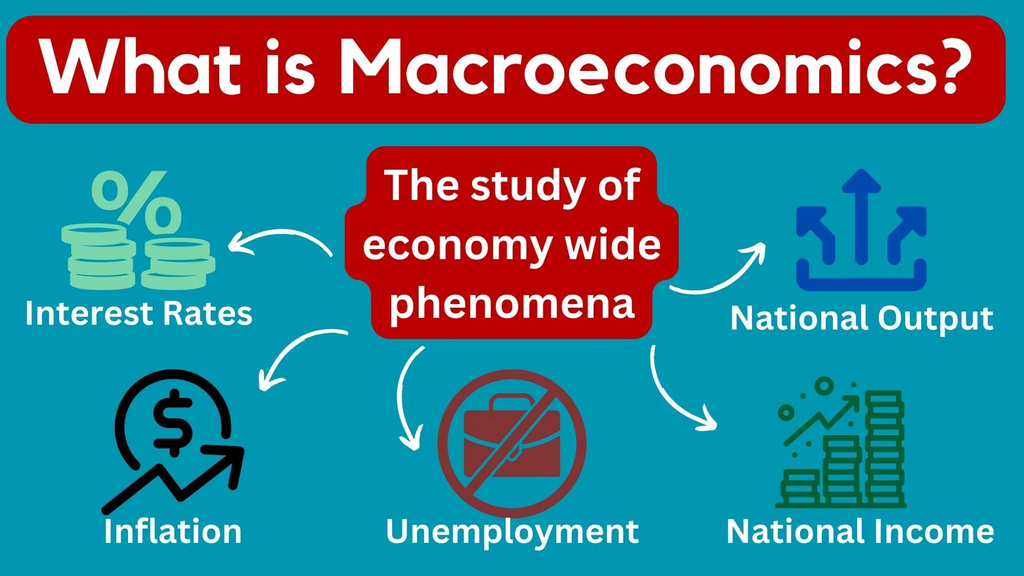
The mechanism of this change is less about public decrees and more about the micro-negotiations happening in quiet offices. The Qatari stance reflects a broader macroeconomic realization sweeping through the energy-rich peninsula. Diversification away from liquid natural gas requires more than just building shiny free zones. It requires making those zones frictionless to operate within.
Imagine the friction of a traditional maritime dispute. A carrier disputes a storage fee accumulated during a customs delay. Under the old paradigm, the rulebook was absolute. The fee was paid, or the cargo languished.
Now, the conversation starts differently.
The willingness to negotiate implies a shifting metric of success. The immediate revenue from a localized tariff is being weighed against the lifetime value of a logistics partner. If a shipping line knows it can sit down with port authorities and find middle ground on dynamic pricing during off-peak seasons, that line will allocate more vessels to that route. It is a calculated gamble that volume will ultimately outpace high margins.
This is where the strategy meets the pavement of regional competition. The maritime networks of the Middle East are hyper-competitive. Every port from Jebel Ali to Salalah is vying for the same cargo manifests. In this environment, rigidity is a liability. Flexibility becomes a premium currency.
The Ripple Effect on the Ground
What happens when the macro shifts? The micro breathes a sigh of relief.
For the regional distributor, a negotiable surcharge means predictability returns to the books. It allows for human-scale planning. It means Sarah can look at her hiring targets for the next quarter and see room for growth rather than a freeze. It means the cost of transporting consumer goods across the land borders and maritime channels stays stable enough to keep inflation from eating the local retail market alive.
Trade is fundamentally an act of trust wrapped in a contract. When an entity as massive as a state infrastructure apparatus admits that its financial frameworks are malleable, it humanizes the market. It acknowledges that the businesses utilizing these spaces are dealing with their own volatile realities—fluctuating fuel costs, shifting consumer demand, and the erratic pulse of global supply chains.
The true test of this policy won't be found in press releases or official communiqués. It will be measured in the quiet efficiency of cranes moving against the twilight sky at Hamad Port, loading containers that are moving just a little bit faster, because the paperwork holding them back became just a little bit lighter. The ledger is open, the pens are raised, and for the first time in a long time, the numbers are listening to reason.