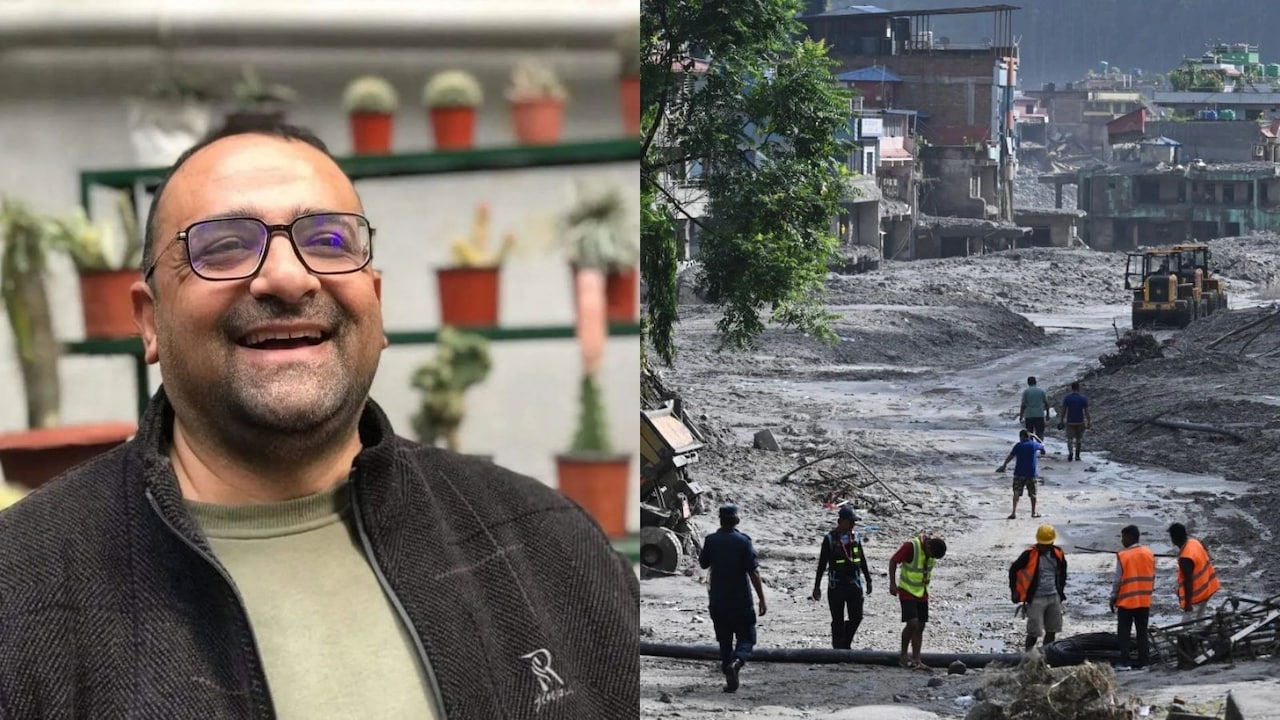
Every time a disaster strikes, the media scrambles for a script. They want a protagonist. They want a lone crusader who defies the odds, sweeps away the bureaucratic cobwebs, and single-handedly carries the day. When a school in Nepal recently dodged a catastrophic flood because a teacher supposedly trusted a weather alert and evacuated sixteen hundred kids on a whim, the internet erupted in predictable applause.
It makes for a fantastic headline. It also keeps people dying.
Relying on individual acts of heroism to compensate for systemic failure is a disaster policy built for the Dark Ages. When we turn a routine administrative evacuation into a Hollywood movie script about one extraordinary teacher, we let every government agency, municipal planner, and emergency management board completely off the hook.
I have spent two decades dissecting institutional crisis response across volatile regions. I have watched organizations pour billions into training individual "leaders" while ignoring the brittle, crumbling infrastructure holding up their operations. We romanticize the cowboy because the system is too broken to fix.
Stop celebrating the hero. Start interrogating the architecture that forced a single human being to carry that kind of weight in the first place.
The Myth of the Maverick Decision Maker
The lazy consensus in modern emergency reporting assumes that safety comes down to good intuition and fast footwork. A warning lands in an inbox. A smart guy reads it. He panics just enough to act, but not enough to freeze. He gathers the flock. They run to high ground.
That narrative is dangerously backwards.
If a system requires a charismatic outlier to interpret an alert correctly and bypass protocol to save lives, the system has already failed. True institutional resilience does not rely on intuition. Intuition is slow, biased, and terrifyingly variable. One teacher gets an alert and acts; another ignores it because they are grading papers, or because the Wi-Fi dropped, or because they are afraid of overstepping their pay grade.
When safety depends on personality type, your survival rate is just a coin flip.
Emergency response engineering relies on automated redundancy, mandatory protocols, and fail-safe triggers that strip human hesitation out of the equation. If sixteen hundred children's lives hang on whether one educator decides to look at their phone during third period, you do not have an operational safety plan. You have a prayer circle with a bell attached.
Redefining Institutional Failure
Let us look at what actually happened behind the scenes of that praised evacuation. The narrative loves to frame the protagonist as a rebel fighting against red tape. But check the logistics. If an evacuation requires a rebel, it means the standard operating procedures are actively hostile to common sense.
When administrators design systems where following the rulebook gets people killed, employees are forced to choose between insubordination and tragedy. We call the ones who pick insubordination "heroes." We should be calling the architects of those rules criminals.
Let us define terms clearly.
- Systemic Resilience: The capacity of an organization to absorb shocks, execute pre-planned contingencies, and protect human life regardless of who happens to be sitting at the desk.
- Hero Culture: A symptom of administrative incompetence where organizations rely on individual burnout, guesswork, and rule-breaking to achieve baseline safety outcomes.
When an organization leans into hero culture, it incentivizes structural neglect. Why invest in automated siren systems, mandatory multi-channel warning relays, and decentralized tactical drills when you can just wait for a dedicated staff member to save the day through sheer force of will?
Every time we share a viral story praising an individual's quick thinking during a crisis, we are rewarding management for negligence. We are telling city councils and school boards that they can defund safety infrastructure because someone else's conscience will pick up the slack.
The Dangerous Logic of Individual Panic
Imagine a scenario where that teacher had misread the warning timestamp. Imagine if he had hesitated for twenty minutes to consult a superior because the bureaucracy demanded chain-of-command verification.
The entire school vanishes beneath muddy water.
And then what? Would the headlines blame the teacher? Absolutely. The media would run retrospectives on his failure of judgment, tearing apart his qualifications and asking why he didn't act faster. We hold individuals accountable for systemic outcomes while stripping them of systemic resources. It is a predatory dynamic.
We praise the winners of a rigged game to keep everyone else playing.
Heavy hitters in emergency management, from the Federal Emergency Management Agency frameworks to international disaster relief coalitions, understand a foundational rule: clarity beats charisma every single time. A mediocre administrator following a rigid, foolproof checklist will always outperform a visionary genius improvising under pressure.
Yet, public discourse remains addicted to the visionary. We want the movie moment. We want the dramatic sprint across the schoolyard. We do not want to talk about database architectures, redundant power grids, or automated SMS broadcast protocols that trigger school closures instantly when water levels breach a threshold.
Building Structures That Do Not Need Saviors
If you are running an institution, a school district, or a business, your primary job is to design a workplace where nobody has to be brave to survive.
Stop running inspirational workshops on leadership resilience. Start auditing your communication bottlenecks. If an emergency alert has to bounce through three layers of management before reaching the people on the ground, you are engineering a catastrophe.
Here is what you actually need to do:
- Automate the Trigger: Remove human discretion from the initial warning phase. When verified sensor data crosses a danger threshold, alarms should sound and automated egress should begin. No permission slips required.
- Distribute Authority: If only one person has the administrative clearance to order an evacuation, your organization has a single point of failure. Train and empower the lowest-ranking personnel to pull the trigger.
- Punish Administrative Friction: Treat bureaucratic delays that hinder emergency response with the same severity you treat financial fraud. If a rule gets in the way of survival, shred it permanently.
We have to stop romanticizing the individual miracle. It is a coping mechanism for a world that refuses to build infrastructure properly.
The next time a crisis hits and someone manages to save the day against all odds, do not send them a medal.
Fire the people who made their heroism necessary.