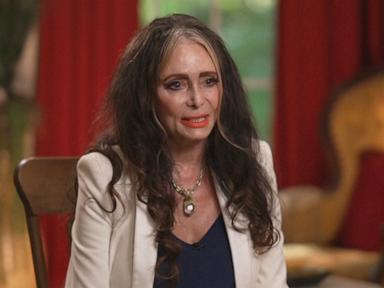
When a public figure dies under tragic and sudden circumstances, the immediate aftermath usually brings universal grief. Instead, the passing of Hayden Panettiere at age 36 blew the lid off decades of complicated family dynamics. Her estranged mother, Lesley Vogel, stepped straight into the media spotlight right after the news broke, offering interviews that immediately polarized the public, talk show hosts, and fans alike.
If you are wondering why this specific family tragedy turned into a massive cultural flashpoint, you have to look past the headlines and examine the friction between a former child star, her manager-turned-mother, and the toxic relationships that shadowed her final years. You might also find this related coverage interesting: Why Andy Burnham Skipped a Manchester Wedding to Save the Vibe.
The Broken Silence That Triggered Public Outrage
Lesley Vogel did not ease into her return to the public eye. Days after her daughter was found dead in a South Carolina apartment, Vogel gave extensive interviews to outlets like NBC News and the Daily Mail, pushing back against long-standing narratives. She claimed that her daughter had "lost her way" and insisted she never pressured the young actress into a lifetime of round-the-clock work.
Those comments landed terribly with many observers. High-profile media figures like Gayle King openly criticized the timing and tone on morning television, questioning why a grieving parent would choose to air such complicated grievances. Fans who spent years tracking Panettiere's public battles with addiction and turbulent romances felt the statements shifted blame away from parental responsibility. As highlighted in recent reports by Associated Press, the results are significant.
Yet, Vogel doubled down. She argued that people misunderstanding her role as a mother were ignoring the harsh reality of loving someone trapped in self-destructive cycles.
Unpacking the Long History of Estrangement
The tension between Panettiere and her mother wasn't a secret. In her memoir, This Is Me: A Reckoning, the Heroes and Nashville star laid bare the financial and emotional toll of being managed by her mother through her formative years. Panettiere described a breaking point on set where she asked her mother to step back and just be a mom, only to be told she "owed" her.
Vogel offered a very different perspective in her post-tragedy interviews. She stated that after decades of trying to help, she took professional advice and cut off contact to protect her own boundaries, noting that you cannot save someone who refuses help.
This creates a brutal dilemma that many families face behind closed doors:
- Where does healthy boundary-setting end and abandonment begin?
- How does childhood stardom warp the natural power dynamics between parent and child?
- Can relationships fractured by money and fame ever truly heal before it is too late?
Pointing Fingers at the Inner Circle
Beyond her own relationship with her daughter, Vogel immediately aimed her frustration at Brian Hickerson, Panettiere's on-again, off-again boyfriend who was present when the actress passed away. Vogel publicly claimed that Hickerson drained her daughter physically, emotionally, and financially, even alleging that he pawned personal belongings and embedded himself too deeply into her life.
Law enforcement agencies, including local authorities and federal investigators, launched inquiries into the circumstances surrounding the death, while toxicological tests remained pending. Hickerson's legal team maintained that police found no initial signs of foul play and urged the public to let the official investigation run its course without a media circus.
Moving Past the Noise
The fierce debate over Vogel's remarks highlights a wider discomfort with how we process celebrity grief. When icons with deeply public struggles pass away, the urge to assign villains and heroes is overwhelming.
Instead of searching for a simple explanation in a messy family tragedy, recognize that real human relationships are rarely black and white. Complex trauma, child stardom pressures, and substance struggles create fractures that do not magically vanish when someone dies. If anything, they crack wide open for the whole world to dissect.