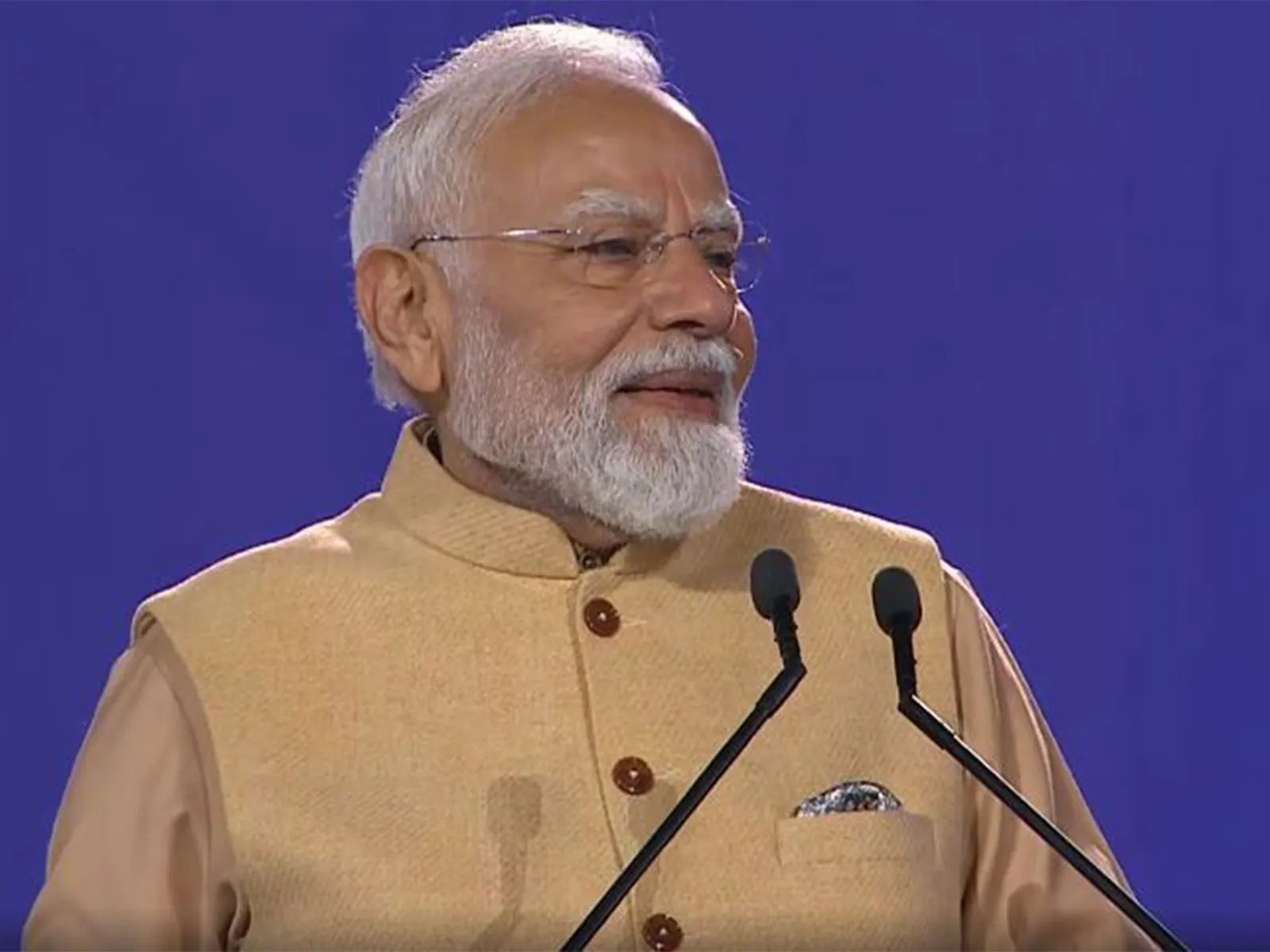
The air inside Rod Laver Arena usually smells of tennis court sweat, spilled beer, and the high-voltage energy of rock concerts. But on this night, the air was heavy with the scent of crushed marigolds, cardamom chai, and the unmistakable, electric collective exhale of thirty thousand people who had traveled thousands of miles across oceans to build a life, yet still kept their clocks set to India standard time.
Consider Suresh. He is a hypothetical composite of the thousands who queued up outside the venue five hours before the doors even opened. Suresh moved to Victoria twelve years ago. He drives an IT desk during the week, coaches his daughter’s cricket team on Saturdays, and speaks with a blended accent that dances between a Haryanvi drawl and an Australian upward inflections. He is, by all metrics, settled. Yet, when he stepped into the arena, he felt a strange, familiar tightening in his chest. It was the weight of a dual identity.
Then, the stadium erupted.
The roar that greeted Prime Minister Narendra Modi wasn’t just a welcome for a visiting head of state. It was a pressure valve releasing. For the Indian diaspora in Australia, a community that has quietly become one of the most vital economic and cultural engines of the subcontinent, the gathering was a living testament to how far they had come from the days of being an invisible minority.
The Distance Between Two Poles
To understand the emotional gravity of that room, you have to understand the sheer distance of migration. It is not just about the hours spent on a Singapore Airlines flight. It is the psychological distance of living in a country where the seasons are inverted, where Christmas happens in the blistering heat of summer, and where your successes back home are often reduced to a brief headline in a local newspaper.
When Modi took the stage, he didn't just rattle off GDP growth statistics or policy initiatives. He spoke to the specific ache of the migrant experience. He linked the dirt of Indian villages to the high-tech laboratories that recently put a spacecraft where no other nation had ever been.
He spoke of the moon.
Specifically, he spoke of the lunar south pole. When Chandrayaan-3 touched down on that rugged, unforgiving terrain, the victory belonged to scientists in Bengaluru. But the emotional dividend was cashed by people like Suresh in Melbourne. Suddenly, the country they had left behind—a country often stereotyped in Western media through a lens of poverty and bureaucratic inertia—was pioneering the final frontier.
The crowd didn't just cheer; they wept.
Moving Beyond the Old Scripts
For decades, the story of the Indian abroad was a predictable script. It was a narrative of survival, of saving every penny, of assimilation at the cost of erasing one's own edges. You kept your head down. You worked the late shifts. You built a quiet, respectable life in the suburbs of Clayton or Tarneit.
But the energy in Melbourne signaled a profound shift in the psychology of the diaspora. They are no longer just guests grateful for a seat at the table. They are shape-shifters, nation-builders, and cultural ambassadors.
Consider what happens next when a community sheds its collective imposter syndrome. They stop just filling jobs; they start creating them. The connection between New Delhi and Canberra isn't just about trade agreements, wine exports, or lithium mining resources, though those economic ties are deeper than ever. The real bridge is built out of flesh and bone.
The Prime Minister’s address capitalized on this exact sentiment. By framing the diaspora not as a brain drain, but as a living bridge, the narrative flipped. The people in that stadium weren't expatriates who had abandoned their homeland. They were an extended frontline of a nation expanding its global footprint.
The Logic of the Unseen Connection
Skeptics often look at these massive diaspora rallies with a cynical eye. They see carefully choreographed political theater, flag-waving nationalism, and rehearsed applause. And on the surface, it is easy to categorize it as such.
But look closer at the faces in the nosebleed seats.
Look at the grandmother who flew in from Adelaide just to hear her native tongue spoken in a stadium that usually hosts the Australian Open. Look at the international students standing at the back, young men and women juggling three jobs, dealing with rental crises, and fighting off a crushing sense of isolation. To them, this wasn't politics. It was validation.
When the leader of their home country looks across a sea of thirty thousand faces in a foreign land and says, "You are India's pride," it creates a psychological anchor. It legitimizes their struggle. It tells them that their grueling journeys across hemispheres matter, that they are being watched, remembered, and celebrated.
The achievement of reaching the lunar south pole serves as the perfect metaphor for this journey. The south pole of the moon is dark, shadowed, and incredibly difficult to reach. It requires precision, immense patience, and the willingness to operate in territory where there is no blueprint for success.
Every immigrant recognizes that terrain. They have walked it themselves.
The New Geography of Pride
The night eventually ended. The stadium lights flickered back to their sterile, functional hum. The chants of "Bharat Mata Ki Jai" faded into the crisp Melbourne night air as thirty thousand people streamed out toward the Richmond train station and the crowded parking lots.
They returned to their everyday realities. Suresh went back to his suburban home, checked his emails, and packed his daughter’s lunchbox for the next morning. On the surface, nothing had changed. The mortgage still needed paying, and the Melbourne winter chill was still biting.
Yet, everything had shifted.
The crowd left the arena with a renewed sense of place. They were no longer caught in the limbo between where they came from and where they lived. By connecting the dirt of India to the craters of the moon, and then mapping both onto a stadium in Australia, a new geography had been drawn. It is a map where home isn't defined by borders, but by the shared pride of a people who proved that no matter how remote the destination, they have the capability to land softly, plant their flag, and thrive.



