A rare 5.0-magnitude earthquake jolted the heart of Andalusia just after midnight, sending residents and holidaymakers scrambling into the warm summer streets.
The tremor hit the metropolitan area of Alhendín, about 10 kilometers south of Granada, at roughly 1:00 a.m. local time. While minor tremors rattle Spain's most populous regions occasionally, reaching a magnitude 5.0 is an entirely different story. It was strong enough to shatter car windows, rattle brickwork, and trigger over 200 emergency calls across Seville, Córdoba, and the Costa del Sol.
Assessing the Immediate Aftermath
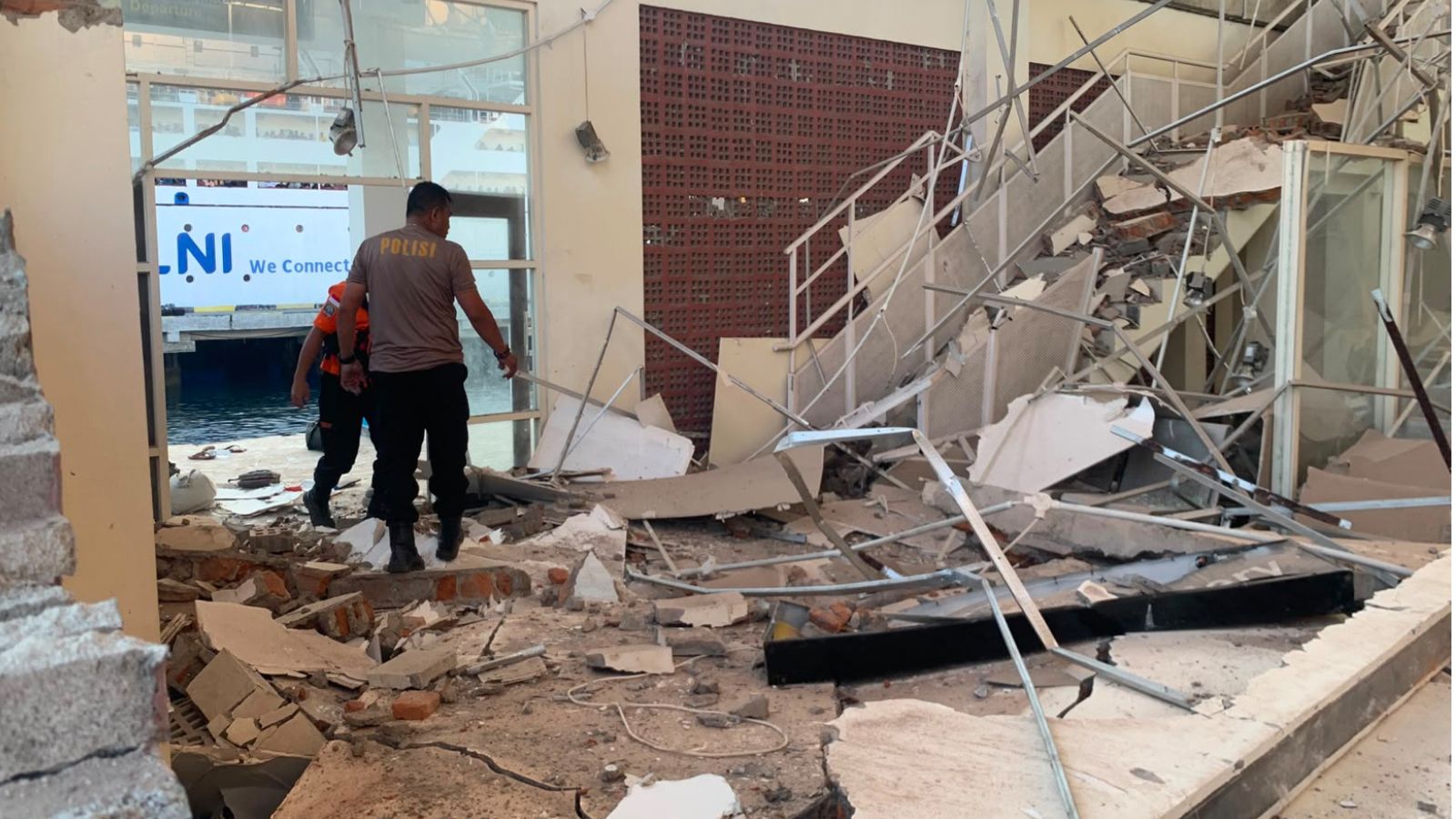
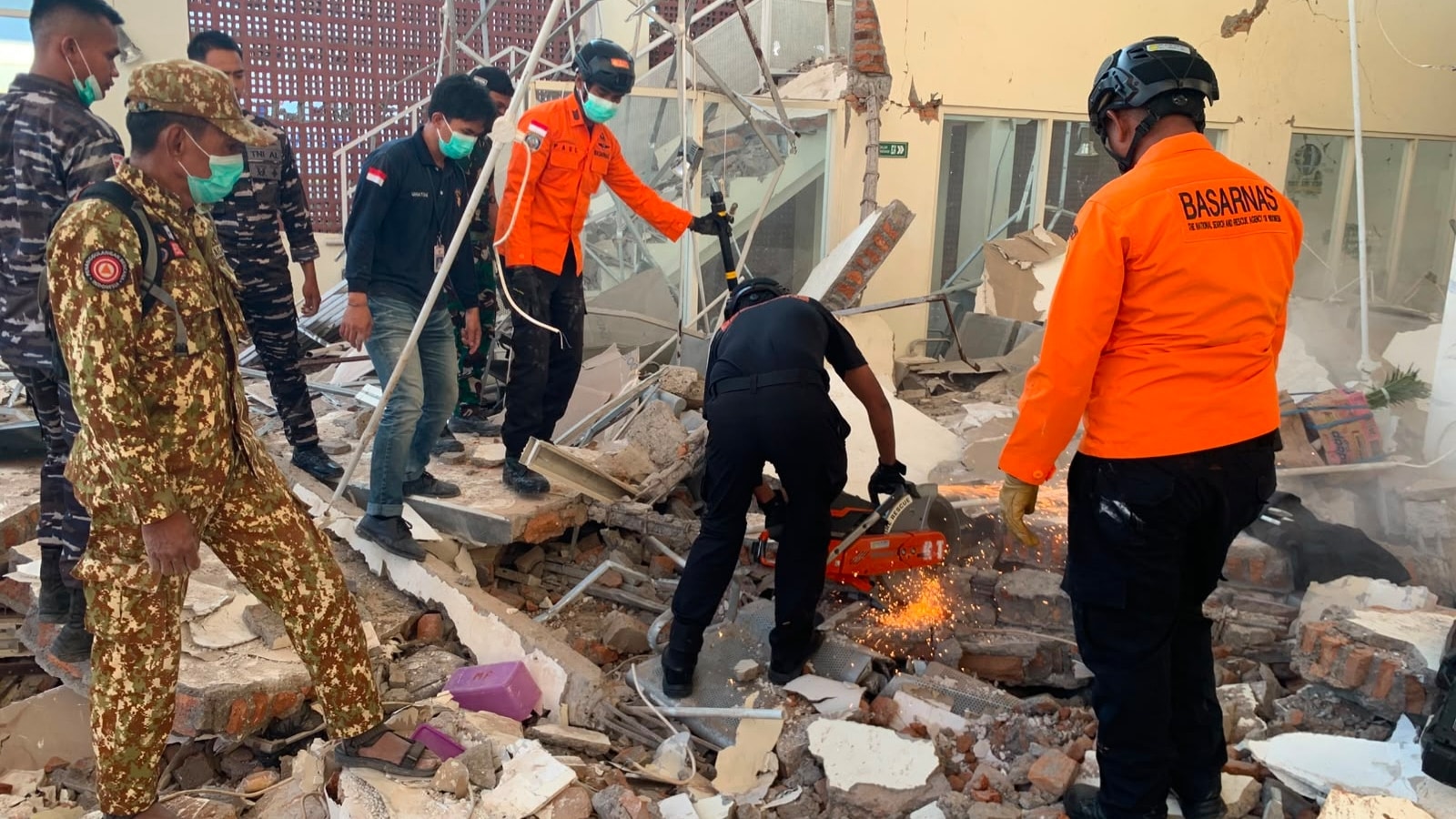
Panicked locals and tourists poured out of apartments and hotels as walls cracked and masonry tumbled onto parked cars. Television footage from public broadcaster TVE showed shattered glass and piles of rubble blocking narrow streets.
Yet, the region dodged a catastrophic bullet. Antonio Sanz Cabello, vice-president of the Andalusian regional government, confirmed that regional emergency services activated safety protocols immediately, rescuing several residents from compromised structures. Astonishingly, no casualties or widespread structural collapses have been logged.
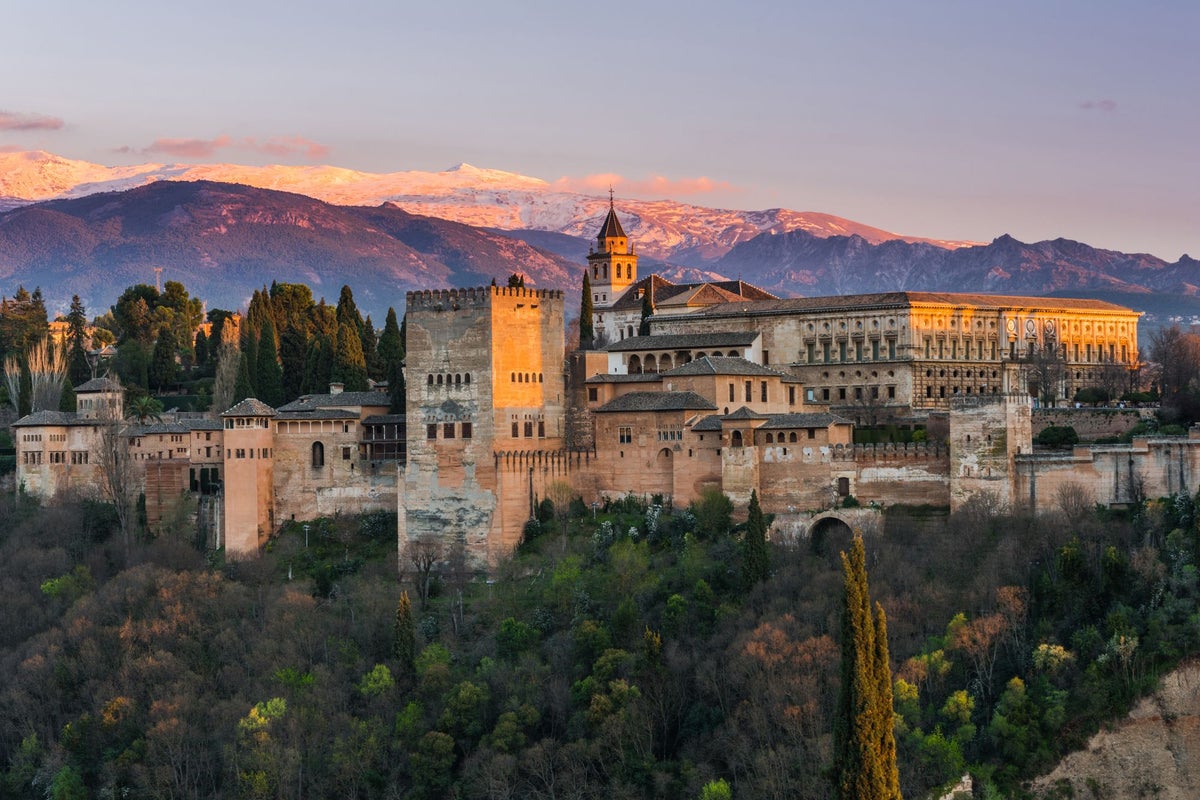
Granada's crown jewel, the UNESCO-listed Alhambra palace, emerged completely unharmed. The ancient fortress, built by the Nasrid dynasty, weathered the nighttime shaking without sustaining structural compromises to its delicate medieval architecture.
Why Southern Spain Shakes
Spain doesn't typically cross paths with the catastrophic tectonic violence seen in parts of the Pacific Rim, but the southern Iberian Peninsula sits squarely on a complex boundary zone. Here, the African tectonic plate converges with the Eurasian plate.
This ongoing collision zone generates constant, low-level micro-seismicity. Most of these movements go entirely unnoticed by people. However, when stress accumulates along local fault lines near the Granada basin, it can rupture suddenly. Experts point out that this event fits the pattern of a seismic swarm, meaning residents should brace for minor aftershocks over the coming days rather than expecting a single isolated jolt.
Staying Safe During a Seismic Event
If you're traveling through Andalusia or living in a seismically active region, you need a mental playbook for the moment the ground starts to roll. Panic kills more people than falling plaster.
- Stay put if you are inside a sturdy building. Do not sprint down stairwells or try to exit via elevators while the earth is moving. Duck under a heavy piece of furniture and hold on.
- Watch your head outdoors. If you manage to get outside or if you're caught on the street, get away from building facades, stone balconies, cornices, and brick walls. Falling masonry causes the majority of urban injuries during moderate earthquakes.
- Check local civil protection updates. Follow official channels like the Andalusian emergency services on social platforms for real-time safety advisories rather than relying on unverified social media rumors.
Check your accommodation's emergency exits, keep your passport and phone within arm's reach at night, and listen closely to local civil protection teams if you find yourself caught in an active zone.