Earth Day used to mean something. It was about planting trees, cleaning up rivers, and celebrating the laws that kept American wildlife from vanishing. This year, it's getting a dark makeover. As you're scrolling through feel-good posts about "saving the planet," Congress is preparing to vote on a bill that could effectively dismantle the Endangered Species Act (ESA) as we know it.
The target? A shadowy, rarely used group of cabinet officials known as the Endangered Species Committee. You probably know them by their more ominous nickname: the God Squad.
For decades, the God Squad was the "nuclear option." They have the legal power to decide that a construction project or a drilling operation is more important than the survival of a species. If they vote "yes," an animal can be wiped off the face of the earth to make room for a highway or an oil rig. Historically, this has almost never happened. But H.R. 1897—the "Endangered Species Act Amendments Act of 2025"—is about to turn this emergency brake into a standard operating procedure.
Why the God Squad is suddenly the main character
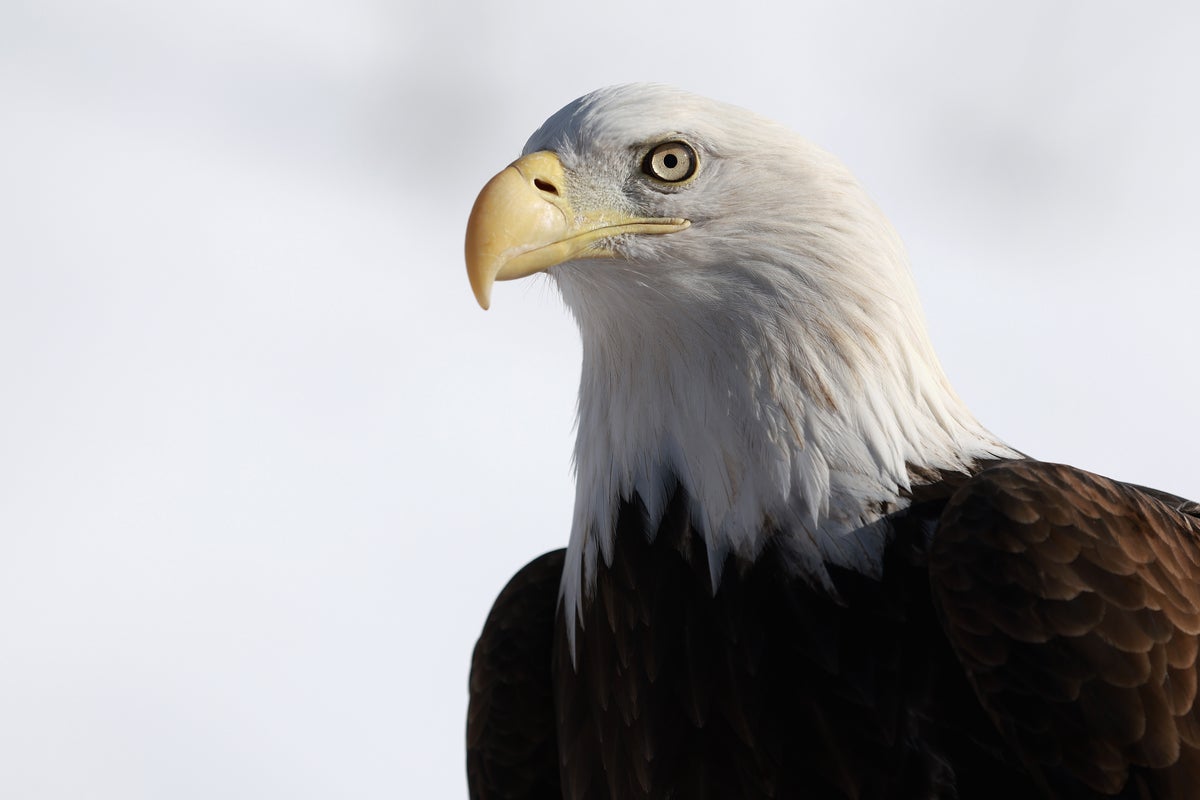
The Endangered Species Act has been incredibly successful. Roughly 99% of species placed under its protection haven't gone extinct. Bald eagles, grizzly bears, and humpback whales are all here because of this law.
But the current administration and its allies in Congress see the ESA as a nuisance. They're pushing H.R. 1897 to expand the God Squad’s reach, making it easier for states and private corporations to bypass protections. Right now, the bar for an exemption is incredibly high. You have to prove there’s no "reasonable and prudent alternative" to your project.
The new bill lowers that bar. It allows exemptions if an alternative "may impair national security" or cause "significant economic impacts." Those are big, vague terms. If you're a developer or an oil executive, you can argue that almost anything is an economic necessity.
The Gulf of Mexico is the first testing ground
We've already seen a preview of how this works. In late March 2026, the God Squad met for the first time in over 30 years. In a meeting that lasted less than 20 minutes, they voted to exempt oil and gas activities in the Gulf of Mexico from ESA requirements.
They used "national security" as the excuse. They claimed that protecting whales and sea turtles was slowing down American energy independence. The reality? Compliance with the ESA hasn't stopped a single offshore oil contract in years.
This decision puts several species on a fast track to oblivion:
- Rice’s Whale: Only 51 of these animals are left. They live exclusively in the Gulf. Without vessel speed limits—which the God Squad just tossed out—these whales are likely to be struck and killed by industry ships.
- Florida Manatees: They forage in shallow seagrass beds, exactly where a major oil spill would hit hardest.
- Sea Turtles: Kemp’s ridley and loggerhead turtles face increased risks from seismic blasting and habitat destruction.
If H.R. 1897 passes, what happened in the Gulf becomes the blueprint for the rest of the country.
The myth of the economic bottleneck
Opponents of the ESA love to talk about "red tape." They want you to believe that a tiny fish or a rare owl is holding back the American economy. Honestly, the data doesn't back that up.
A study by the Defenders of Wildlife analyzed over 88,000 ESA consultations. They found that exactly zero projects were halted or significantly altered because of a "jeopardy" finding. The system works because it forces agencies to find a middle ground. It’s about balance, not a total shutdown.
By expanding the God Squad, Congress isn't fixing a broken system. They're creating a loophole for their biggest donors. When the law becomes "subjective," the loudest and richest voices in the room win.
The national security smoke screen
Using national security to gut environmental law is a classic move. It’s hard to argue against "keeping America safe." But let's be real: protecting the Rice's whale doesn't weaken our borders. Requiring oil companies to monitor for manatees doesn't hurt our military readiness.
In fact, the Secretary of Defense, Pete Hegseth, was the one who pushed for the Gulf exemption. It was a political play, plain and simple. They're using the cover of global instability to bypass a law that has stood for 50 years.
If this bill passes, any project—from a strip mall to a pipeline—could claim a "national security" link to get a God Squad exemption. It’s the ultimate "get out of jail free" card for industry.
How to actually fight back
This isn't a "wait and see" situation. The vote is happening around Earth Day for a reason—it’s a slap in the face to conservation. If you care about whether your kids ever see a manatee in the wild, you need to act now.
- Call your Representative: Don't just email. A phone call to a staffer carries way more weight. Tell them you oppose H.R. 1897 and the expansion of the Endangered Species Committee’s powers.
- Support the Lawsuits: Groups like the NRDC, Sierra Club, and the Center for Biological Diversity have already filed suits to stop the Gulf exemption. They're the only ones standing between these species and the God Squad’s "extinction" vote.
- Spread the Word: Most people have no idea what the God Squad is. Share the specifics. Talk about the Rice's whale. Make it clear that this isn't about "reform"—it's about a permanent exit strategy for big polluters.
Congress thinks we're too distracted by the holiday to notice they're burning down the house. Prove them wrong.
The Endangered Species Act isn't a list of suggestions. It's a promise that we won't trade the existence of a species for a short-term profit. Don't let them break it.