Western media loves a redemption arc. The prevailing narrative suggests that while the United States and Europe "pause" their green ambitions due to high interest rates and political friction, China and India are stepping up as the moral guardians of the climate. They call it a "strategic bet" on clean energy.
That is a lie. Or, at the very least, a massive misunderstanding of geopolitical survival. In similar updates, take a look at: Coal Market Volatility and the Iranian Friction Factor.
China and India are not building solar farms and nuclear reactors to save the polar bears. They are doing it because they have realized that energy independence is the only way to decapitate Western hegemony. They aren't betting on "clean" energy; they are betting on cheap, localized, and uncontrollable energy.
The West views the energy transition as a luxury good—a set of ESG targets to be debated in boardrooms. The East views it as a munitions factory. If you don't understand the difference, you're already losing the decade. The Wall Street Journal has also covered this critical topic in great detail.
The Efficiency Trap and the Myth of the Green Bet
The "lazy consensus" claims the West is falling behind because of a lack of political will. The reality is more cynical. The West is paralyzed by its own legacy infrastructure and the "Efficiency Trap."
In economics, Jevons Paradox suggests that as technological progress increases the efficiency with which a resource is used, the rate of consumption of that resource actually rises because it becomes cheaper. The West tried to "efficient" its way out of carbon. China and India are simply "overpowering" the problem.
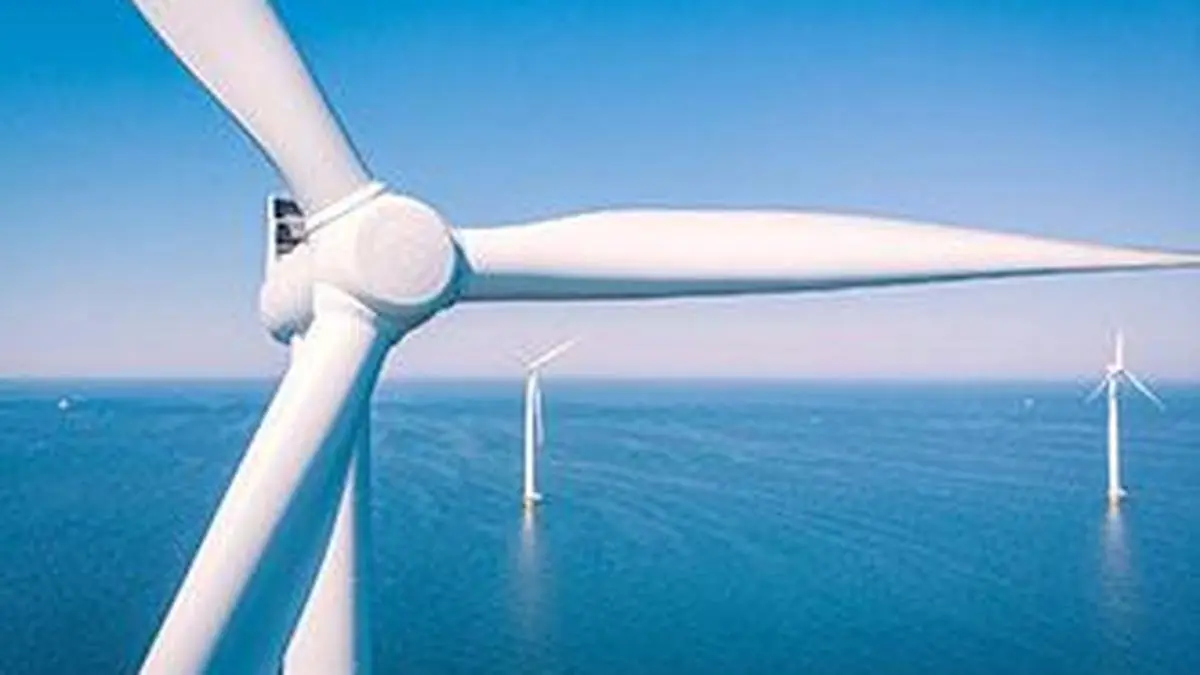
While a German bureaucrat spends five years permitting a single offshore wind turbine to ensure it doesn't disturb a local bird migration, China is busy deploying solar capacity that exceeds the entire grid of many European nations.
The Real Math of Solar Dominance
Let’s talk about the supply chain. You cannot have a "strategic bet" if you don't own the casino.
- Polysilicon Control: China controls over 80% of the global solar supply chain.
- Cost Curves: By the time a US-based startup secures its Series C funding to build a "revolutionary" new panel, a factory in Anhui has already produced ten million units at a price the startup couldn't match in its wildest dreams.
- The Nuclear Decoupling: While the West argues about whether nuclear is "green," India is aggressively pursuing its three-stage nuclear power program, specifically targeting thorium.
The West treats energy like a commodity. The East treats it like a sovereign fortress. When you own the panels, the batteries, and the processing plants for the lithium and cobalt, you aren't "transitioning." You are colonizing the future energy grid of your enemies.
India’s Pragmatic Paradox
The media often lumps India and China together, but their strategies are distinct and equally threatening to Western status quo thinking. India is playing a double game that the West finds "inconsistent."
India is simultaneously massive on coal and massive on renewables. Critics call this hypocrisy. It isn't. It’s Energy Realism.
I’ve seen Western analysts' eyes glaze over when they look at India’s Adani or Reliance projects. They see "carbon footprints." What they should see is a country that refuses to let its GDP growth be throttled by the whims of the Brent Crude market.
"Energy security is not about being clean. It is about being un-chokable."
India’s push for green hydrogen isn't about meeting Paris Agreement goals. It is about the fact that they import nearly 80% of their oil. Every solar panel installed in Rajasthan is a middle finger to the petrodollar. The West remains obsessed with the morality of the fuel source; the East is obsessed with the origin of the fuel source.
The West’s Fatal Error: The "Out of Favour" Delusion
The competitor article suggests clean energy is "out of favour" in the West. This is a fundamental misreading of the market. It isn’t out of favor; it’s out of capital.
The West built its wealth on cheap, high-density fossil fuels. Transitioning to lower-density renewables requires a massive upfront capital expenditure (CAPEX) that high interest rates have made poisonous.
Meanwhile, the Chinese state-directed banking system doesn't care about quarterly dividends for shareholders. They operate on a fifty-year horizon. While a private developer in Texas is canceling a wind farm because the IRR (Internal Rate of Return) dropped from 12% to 8%, a state-owned enterprise in China is building the same farm because it provides jobs and secures the regional manufacturing hub.
The CAPEX War
Consider the basic physics of energy density.
- Fossil Fuels: High energy density, high operational cost (OPEX), low upfront CAPEX.
- Renewables: Low energy density, near-zero OPEX, massive upfront CAPEX.
[Image comparing energy density of various fuel sources including coal, oil, and lithium-ion batteries]
When the West raises interest rates to fight inflation, it accidentally nukes its own energy transition. Renewables are essentially "frozen capital." If you can't borrow cheap, you can't build green. China and India have decoupled their strategic energy goals from the volatility of Western central bank whims. They aren't "betting" on clean energy; they are subsidizing a weapon.
Stop Asking if it’s "Green" and Start Asking Who Owns the Patent
If you want to understand the next twenty years, stop reading climate reports. Start reading patent filings and trade route maps.
The West is currently trapped in a "Regulatory Doom Loop." We have created a system where it is easier to block a project than to build one. We prioritize "community input" and "environmental impact studies" to the point of total stasis.
In the East, the "impact study" is the GDP growth rate.
I’ve worked with energy firms that spent $50 million on "stakeholder engagement" for a project that never broke ground. In the same timeframe, a competitor in Southeast Asia built an entire industrial park powered by a dedicated solar-battery microgrid.
The Misconception of "Subsidies"
The West complains that China "subsidizes" its green tech, creating an uneven playing field. This is a hilarious cope. Every energy system in history has been subsidized. The US interstate highway system was a subsidy for the internal combustion engine. The British Navy was a subsidy for the global coal trade.
The difference is that the East is subsidizing the future, while the West is subsidizing the status quo.
The Nuclear Elephant in the Room
One of the most egregious "lazy consensus" points is that solar and wind are the only story. They aren't.
China is building nuclear reactors at a pace that makes the 1970s US look lethargic. They are currently building 20+ reactors. The US is lucky if it can finish one every decade without it becoming a multi-billion dollar bankruptcy case (see: Vogtle).
Nuclear is the ultimate contrarian play. It is high-density, reliable base-load power that doesn't rely on the weather. By mastering the construction of Gen III+ and Gen IV reactors, China is ensuring that even when the sun goes down, their factories—which make the world's goods—never stop.
The West’s fear of nuclear is its greatest strategic weakness. We have allowed "green" movements to prioritize intermittent sources over reliable ones, creating a grid that is fragile and expensive. China and India are building a grid that is robust and relentless.
The Actionable Truth for Investors and Policy Makers
If you are waiting for the West to "regain its lead" in traditional solar or wind manufacturing, you are waiting for a ghost. That ship has sailed, sunk, and been salvaged by CATL and Longi.
To compete, the West must pivot to the Deep Tech of energy:
- Next-Gen Nuclear: SMRs (Small Modular Reactors) and Fusion are the only places where the West still has a flickering intellectual lead.
- Grid Intelligence: Software that can manage the chaos of an intermittent grid.
- Materials Science: Finding alternatives to the rare earth minerals that China already owns.
Stop asking: "How do we make energy cleaner?"
Start asking: "How do we make energy so cheap that it becomes an irrelevant cost of production?"
The End of the Moral High Ground
The West needs to drop the "saving the world" rhetoric. It’s patronizing and, frankly, nobody in the Global South believes it.
China and India are winning because they treated the energy transition as an industrial revolution, not a moral crusade. They recognized that the first nation to exit the fossil fuel trap wins. Not because they are "greener," but because they are no longer dependent on a global supply chain they don't control.
The "out of favour" sentiment in the West isn't a market correction. It is the sound of a legacy power realizing it has been outmaneuvered. While we were arguing about carbon taxes, they were building the mines. While we were debating subsidies, they were achieving scale.
The transition is happening. But it isn't a victory for the environment. It's a victory for the bold, the aggressive, and the unburdened. The West is still playing checkers with carbon credits. The East is playing 3D chess with electrons.
If you want to survive the next thirty years, stop looking for "green" investments and start looking for "sovereign" ones. The era of the "global" energy market is dying. The era of the energy fortress has begun.
The "strategic bet" isn't on the climate. It's on who gets to turn the lights off for everyone else.